Feel Great At Age 100

The Centenarian Decathlon: A Blueprint for Aging with Vitality

Have you ever found yourself doubting your ability to maintain your physical health as you age? It’s a common concern, but what if I told you there’s a way to not only preserve but enhance your vitality well into your later years? Enter the Centenarian Decathlon, a concept designed to help you set and achieve physical goals as you approach the age of 100. This plan, developed by Dr. Peter Attia, is all about maintaining your independence and health span, ensuring you can continue doing the activities you love.

Understanding the Challenge

As we age, it’s easy to fall into the trap of self-doubt, questioning whether we can keep up with the physical demands of life. The problem is that many of us lose essential motor skills and physical capabilities over time. This decline can lead to a loss of independence and a decrease in the quality of life. By setting specific goals and training intentionally, you can maintain your physical abilities and confidence for many years to come.

The Solution: The Centenarian Decathlon

The Centenarian Decathlon is a personalized plan that involves selecting ten physical tasks you want to be able to accomplish by the age of 100. These tasks are not just about exercise; they encompass functional movements and lifestyle activities that are crucial for maintaining independence. Here’s how you can create your own Centenarian Decathlon:

Step 1: Identify Your Goals

Think about the activities that are important to you. Do you want to continue hiking, playing with your grandchildren, or dancing? Make a list of ten activities that you want to be able to do in your later years. Consider tasks like:

1. Walking a 5K
2. Lifting a third of your body weight
3. Getting up from the floor without assistance
4. Climbing multiple flights of stairs
5. Carrying groceries for several blocks
6. Balancing on one leg for 30 seconds
7. Swimming or getting out of a pool unassisted
8. Practicing yoga or Pilates
9. Riding a bike at a steady pace
10. Engaging in activities like jump rope or trampoline exercises

Step 2: Assess Your Current Abilities

Once you’ve identified your goals, assess where you currently stand. Can you already perform some of these tasks, or do you need to build up your strength and endurance? This self-assessment will help you tailor your training plan to your specific needs.

Step 3: Develop a Training Plan

To achieve your goals, you’ll need a well-rounded training plan that focuses on building strength, flexibility, balance, and aerobic capacity. Here are some strategies to consider:

– Strength Training: Incorporate exercises like push-ups, squats, and weight lifting to build muscle strength. Aim to train each major muscle group at least twice a week.

– Flexibility and Balance: Practice yoga or Pilates to improve your flexibility and balance. These activities can help you maintain a wide range of motion and prevent falls.

– Aerobic Capacity: Engage in interval workouts to boost your aerobic capacity. Try activities like jumping jacks or cycling, alternating between high-intensity bursts and recovery periods.

– Aerobic Efficiency: Include longer, steady-state activities like walking, jogging, or biking at a conversational pace to improve your endurance.

Step 4: Stay Consistent

Consistency is key to achieving your Centenarian Decathlon goals. Make exercise a regular part of your routine, and track your progress over time. Celebrate small victories and adjust your plan as needed to stay on track.

Embracing the Journey

The journey to maintaining your vitality as you age is not just about physical health; it’s about fostering a deeper connection with yourself and making sure you can be around for your loved ones. By setting and working towards your Centenarian Decathlon goals, you’ll build confidence, enhance your self-esteem, and create a healthier, more fulfilling life.

Call to Action

Now that you have a blueprint for aging with vitality, it’s time to take action. Start by identifying your personal goals and developing a training plan that aligns with your aspirations. Remember, it’s never too late to invest in your health and well-being. Embrace the challenge, and you’ll find that the journey is as rewarding as the destination.

By focusing on these strategies, you can overcome self-doubt and build a future where you remain active, independent, and connected to the people and activities you love. So, How will you begin your Centenarian Decathlon and take the first step towards a fit, confident future?

Vegan Athlete Nutrition Tips

I have been vegan for six years now, and the questions I get the most are always in regards to nutrition. Nutrition is important to everyone, and as a vegan athlete I find it vital to maintain my nutritional needs. It takes a lot of time to really understand nutrition and as a new vegan it can be very difficult. There is a lot of information out there, and not all of it is simple, helpful, or correct. This post will cover exactly how I make sure I meet all of my nutrient and caloric needs, as well as some sources of information and my favorite educational material.

How to know what your nutrient needs are:

A great way to discover what your specific nutritional needs are is to find a nutrition calculator that will give you information based on your body composition. The best one I have found so far is Cronometer, I like it because it is so easy! You can just go to the website or download the app and it gives you tons of information. It will ask you about your age, sex, weight, and height. After you make your profile and fill out the info it will give you specific targets to hit daily. You will enter all the food you eat and it breaks down exactly what macronutrients, vitamins, minerals, carbs, and proteins you have consumed for the day. The daily report will tell you what you need to eat and how much to reach your targets for nutrients and energy. It even gives you a breakdown of what nutrients are in a specific food you entered into your log. The best part is you can get access to all of these features for free!

It is also important to take into account the amount of exercise you get on a daily basis as this will affect your target energy intake for the day. The more exercise you get and energy you burn throughout the day, the more you need to be eating to replace that energy. Using Cronometer helps me to keep a food diary and that way I can make sure I do not over indulge the sweet treats and snack foods, and instead get good nutrient dense calories to replenish my energy.

What about supplements?

Supplements can be great if you use them for their intended purpose. Supplements are meant to help fill in the gaps in your diet, they are not a replacement for nutritious eating. Above all else you should strive to meet your nutrient and calorie goals with fresh or frozen foods and whole grains. The supplement you take should be for those vitamins and minerals that are difficult to get in your diet or that you are consistently low on.

I do take a daily supplement and I have for years. Supplements are not only good for people who are on a vegan diet, almost everyone could benefit from a daily supplement. I would encourage you to do a lot of research about the supplements before you start taking them as not all of them are as beneficial as they advertise. I personally take Hippo7 vegan complete, and additionally a C vitamin everyday. The Hippo7 daily vegan complete is a completely vegan supplement designed for vegans. The supplement includes vitamins B12 and D, Iron, Zinc, Iodine, Calcium, Omega-3s DHA, and EPA. I have been very pleased with Hippo7 and will definitely continue to order from them. I also include the supplement in my daily food diary on Cronometer.

Let’s talk vegan protein!

If you are a gymshark or an athlete then I know you think about protein all the time. When you are trying to build up muscle, endurance, or just stay mobile and limber it is vital that you get your protein in. I personally aim for 144g of protein everyday since I am a very active person. I do not find it challenging to meet this goal as a vegan. It is simple and easy to meet your protein goals as a vegan, protein is everywhere! Some things that I eat everyday to make sure I get my protein in are fortified cereals, vegan protein powder, tofu, oatmeal bars, nutritional yeast, and even rice!

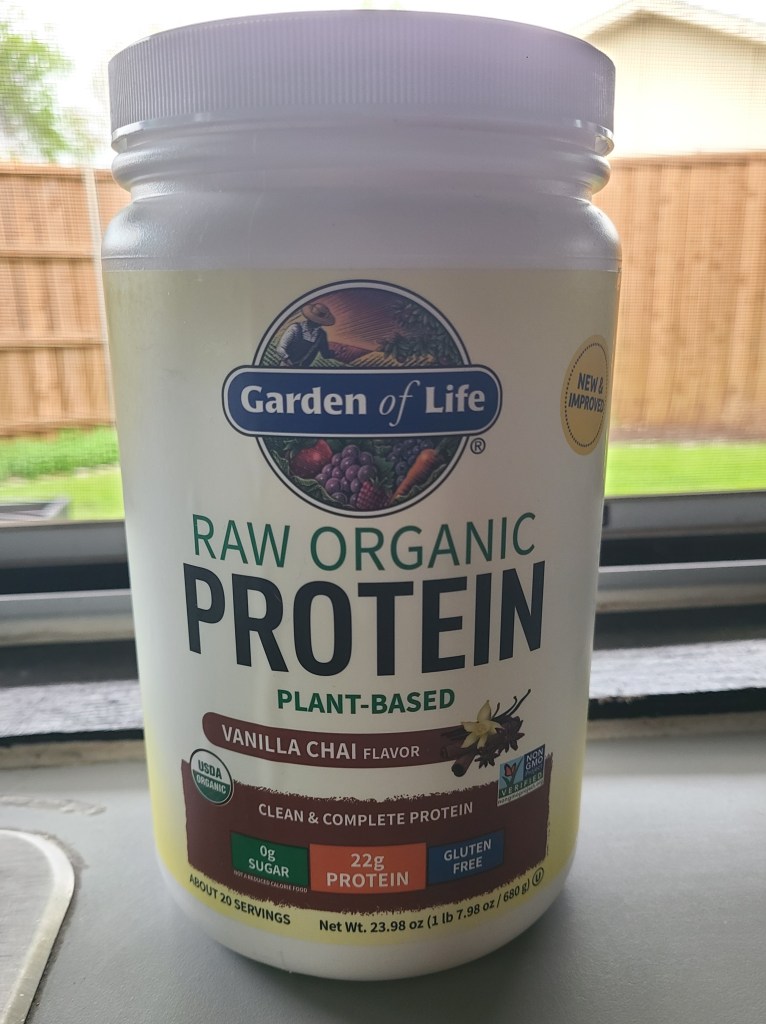
The cereal I eat is a high fiber cereal that I get about 30g of protein from in the mornings. It is a bit expensive but I really like it so I splurge a bit on it. The brand is Catalina Crunch, I get the cinnamon toast flavor. I started buying it for its high fiber content as I believe a high fiber diet is a healthy diet. The vegan protein powder I get is Garden Of Life brand and is both vegan and organic. I like the vanilla chai flavor, it is so good! This protein powder has 22g of protein per scoop and is a complete protein source. Complete proteins means they contain all nine essential amino acids in consistent amounts.

Firm tofu is my preferred type of tofu since it is such a great source of protein and also is a complete protein. Firm tofu contains about 22g of protein per half cup serving, and because it is so versatile it is easy to work quite a bit of tofu into your daily diet. Nutritional yeast has about 11g of protein in only three tablespoons. I sprinkle the large flake nutritional yeast on just about every savory dish I make, it has a great cheesy flavor.

Other great vegan protein sources are lentils, black beans, chickpeas, seitan, tempeh, oats, quinoa, and wild rice. Make sure that your daily protein intake aligns with your personal needs, everyone is different.

Carbohydrates are not evil –

Carbohydrates are one of three macro-nutrients, they are the preferred source of energy for nerve cells, and are an important energy source for all cells. Your body needs carbohydrates to function properly, and they should make up most of your plate during meals. My personal target for this macro is about forty five percent of my daily intake. Good sources include fruits, vegetables, and grains. Some of my favorite complex carb sources are oats, lentils, sweet potatoes, broccoli, and whole grain pastas. Carbs help to prevent muscle loss and also aid in muscle recovery.

Complex carbs like beans, nuts, and potatoes are the healthiest option. Complex carbs are digested slowly, this means that they release glucose into the blood stream more gradually. Simple carbs such as soda, candy, and baked treats are digested quickly and spike blood sugar faster and higher. Complex carbs are more filling, full of fiber, and help to maintain a healthy weight as well as increase digestive health. Complex carbs are also notably a large part of the diet of people around the world who live in blue zones. This may be part of the reason we see the population in these areas living longer with less health issues overall.

Lipids in a healthy diet –

Fats are the lipid content of diets and foods, they are essential for energy in a healthy diet. Monounsaturated fats and polyunsaturated fats are healthy for your heart and help to lower LDL cholesterol levels. These types of essential fatty acids decrease risk for heart disease and stroke, as well as help to boost HDL cholesterol (that’s the good kind)!

Avocado, seeds, nuts, and olives are just a few sources of healthy fats. I aim for fats to be about thirty percent of my daily nutrient intake. Eating healthy fats like these is important for brain health and brain function, healthy skin, vitamin absorption, and decreased overall inflammation.

Food for thought –

Although it can be easy to get caught up in all of the metrics and obsess over the numbers, try not to. Do your best, and have your goal be that you do a little better everyday. Expanding your knowledge, making sure you know your body, and know what makes you feel healthy is what is most important. Every person is different, so what works for me may not work for you. I encourage you to do your own research and build your own habits.

Nutrition is very scientific, however there is no one size fits all with this stuff. Everything really depends on your body and lifestyle, so please make sure you do what feel right for you. I would love for you to comment your own experiences with nutrition and what your goals or routines are. I will also answer any questions about my personal goals or habits to the best of my ability.

Pursuit, Plants, Serenity

How I Trained For My First Half Marathon

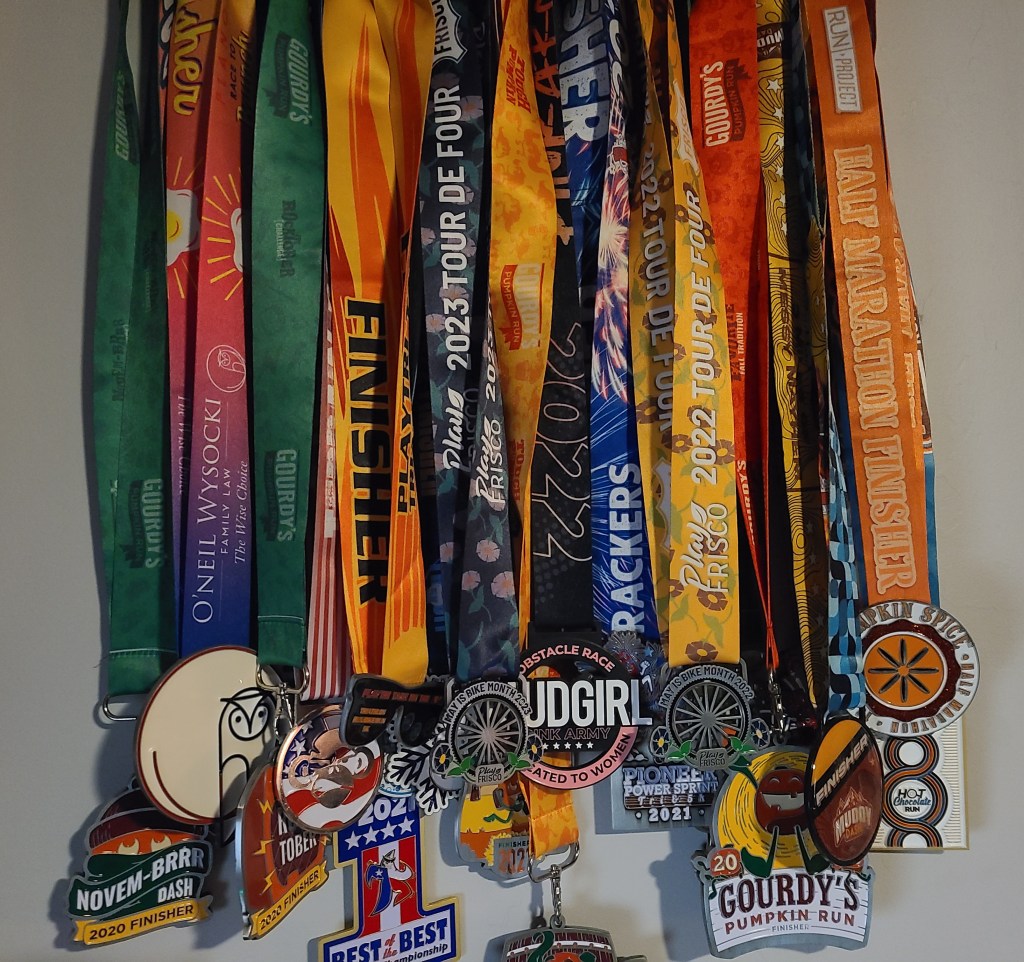
When I first started running I mostly participated in 5K runs that were local and I was not very concerned with how quickly I finished the run. I finished about fifteen of these 5K events over the course of about two years and then I decided I wanted to do something a bit more challenging so I signed up for obstacle races that had between twelve and twenty obstacles, but were the same distance, still about 3.1 miles. That trend of wanting a bit more of a challenge continued and I went on to finish a 10K, 15K, and most recently a half marathon.

I am very happy with the progress that I have made and I would love to share the knowledge I have gained. Most of what I have learned has been through trial and error, some of it I learned from books and friends. The single piece of information that I believe has helped me the most is fixing my body position while I run. I used to run with my shoulders tense and high up like I was bracing for something. I used to run with my stride way longer than what is natural or comfortable for me. The worst is that I would also run much faster that what I was really capable of for any type of distance longer than a sprint.

I went running with a friend of mine a while back that told me I needed to run in a more relaxed and comfortable position. I dropped my shoulders, relaxed my hands and let my arms drop closer to my waist. This helped dramatically, it also assisted with helping me not to get stitches while running because I could breath easier. I then read the book Finding Ultra by Rich Roll where he talked about his coach teaching him to run slower than he thought he could, and for as long as he could. Similar to Rich I thought that sounded dumb, why would I run slower if I was trying to get better? In the book he realized the coach was onto something so I decided to give it a go as well. Not so surprisingly this really worked, I shortened my stride and ran at a comfortable pace where I was still able to hold a conversation or sing. After doing this for a few weeks I really noticed a difference.

I was able to keep my pace for a lot longer, and I was not gasping and out of breath by the end of my run. I was able to almost double the amount of time I could run with out stopping. I also noticed that after my longer runs I was not so exhausted and my muscles were not so achy. I was able to recover faster with less discomfort between recoveries. Slowly I was able to pick up my pace and now I had some way to know if I was running too fast or with too much tension in my body. If I could no longer hold a conversation, I needed to slow down. If i started to get too winded or get a cramp, I needed to consciously relax my body.

Once I fixed the mechanics of my run it was time to set a schedule. My fiance and I already go to the gym five days a week most weeks anyways so it was just a matter of working the runs into my routine. For me that looks like running for at least three and half or four miles three to five times a week. Not all my runs happen at the gym and I also do longer runs to make sure that I am training for the longer distances that I want to cover in a race. I frequent my local community trails and also a nature preserve that has nice paved and dirt trails. I do this mainly on the weekends since that is when I have more time for longer runs. On my longer runs I try to do six to ten miles, I do not run the full distance I am actually training for.

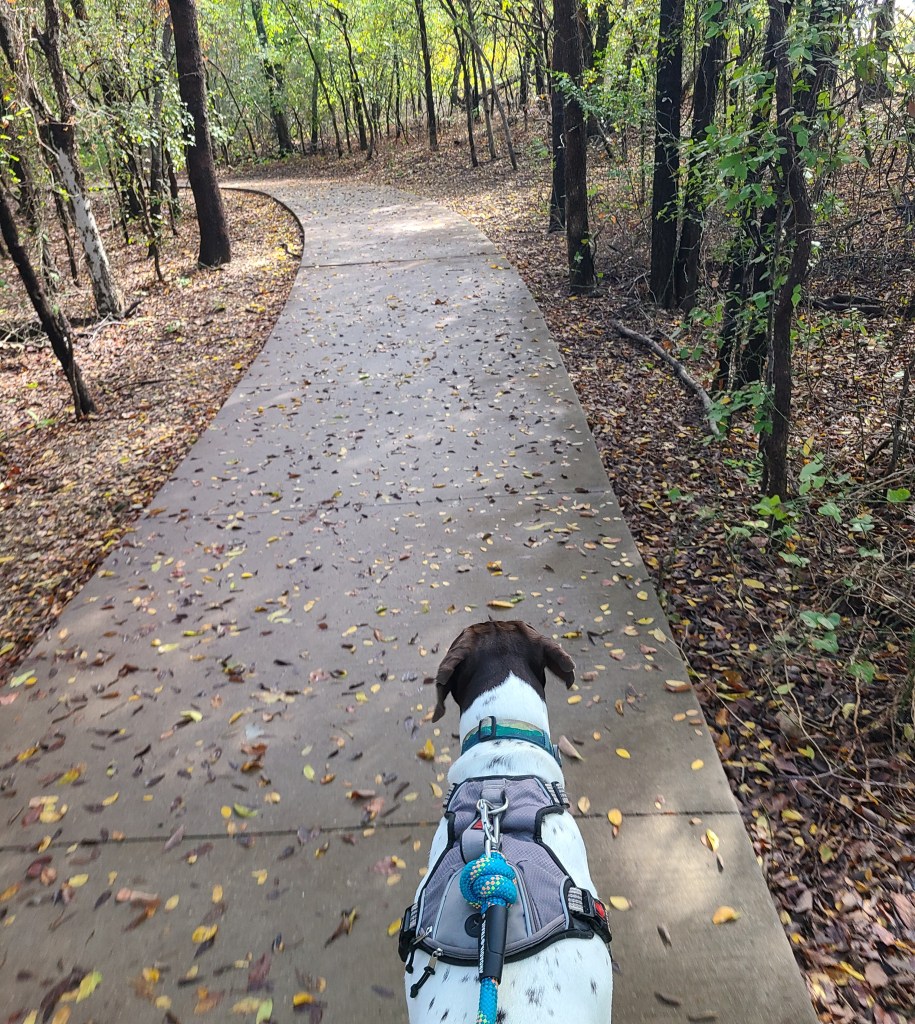
When I do these longer runs I normally go alone because I like to have my headphones in. I listen to audio books or podcasts so that I have something to keep my brain busy and I can just run. I sometimes take my dogs when the runs are closer to six miles, they are good company. The dog do not come when the runs are longer than this because they get bored or tired and I end up having to cut my run short. I would recommend finding something that you can listen to for an extended period of time so that you do not have to stop to skip or change songs.

I like to change up where I run and the conditions in which I run so that I am prepared for any type of race course, plus it also helps to not get bored while you are training. I like to use the app AllTrails to find trails in my area, the app also allows you to look at photos, lengths, and ratings left by others so you know what you are getting into. I try to find trails with varied distance, elevation gain, terrain, etc. This allows me to really challenge myself and get comfortable running in all conditions. I run in varied (safe) weather conditions for the same reason.

Recently I have been trying to find trails with a more difficult elevation gain so that uphill runs are not so hard for me. I have done a couple of races that had pretty steep uphill sections and they really had me wondering if I was gonna make it. I have been making progress, and now even when I run trails with little to no elevation gain it seems that much easier. I am becoming a fan of making the training a little more challenging than the race will be so that the race seems easier in comparison.

Finding the right clothing for runs was also a learning experience, there are a lot of clothing options to choose from. Just know that you do not need the latest and greatest most expensive things available to be a runner. You can use whatever you already have, and if you are looking to get something new or upgrade, it does not need to be name brand or cost hundreds of dollars. I have only a handful of running/exercise clothing that I use, some of which I got when signing up for races.

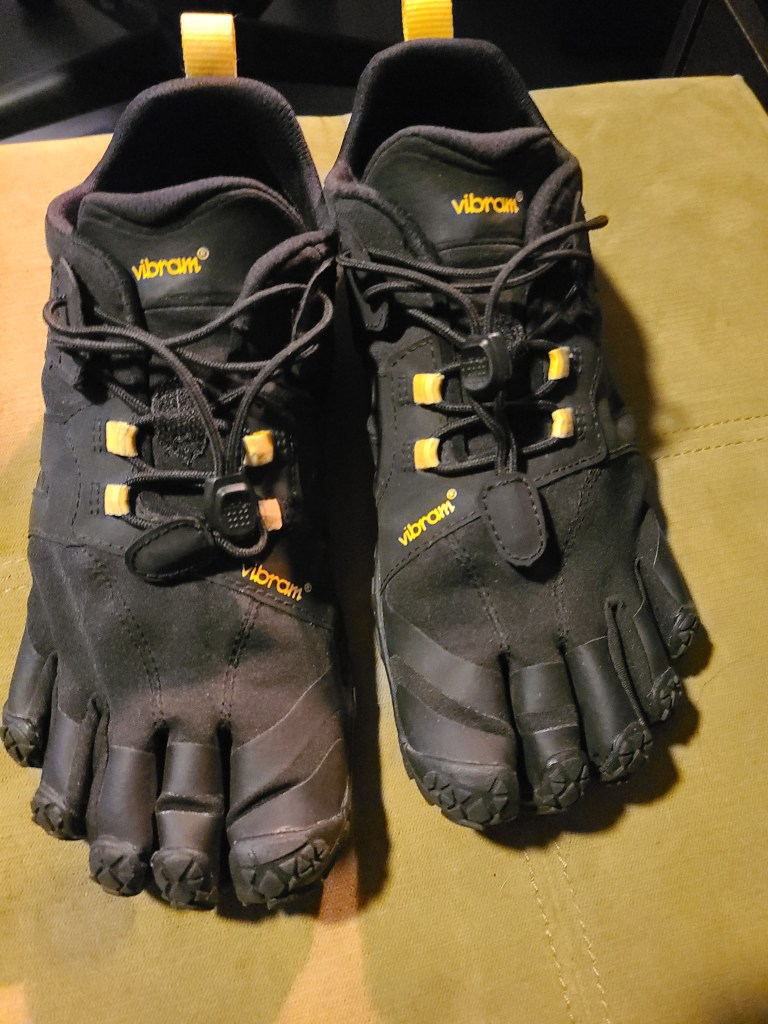
I have a few shirt, only one long sleeve, a few pairs of shorts, a couple pairs of legging, two pairs of shoes, some socks, and then weather accessories like a light jacket and a warm headband. The only thing I have spent a considerable amount of money on is shoes, and that is because in my opinion having the right shoes will make or break a running experience. It is really important to me to take care of my feet. I have one pair of light flexible mesh running shoes, and one pair of barefoot shoes. You know the ones with toes that look like a shoe/sock hybrid. I love them, they are comfortable, my feet do not hurt, and my foot and toes have a lot more natural range of motion. The one mistake I made with these shoes is not wearing socks with them the first long run, I got blisters and then immediately bought socks to go with those shoes. Since then, they have never let me down!

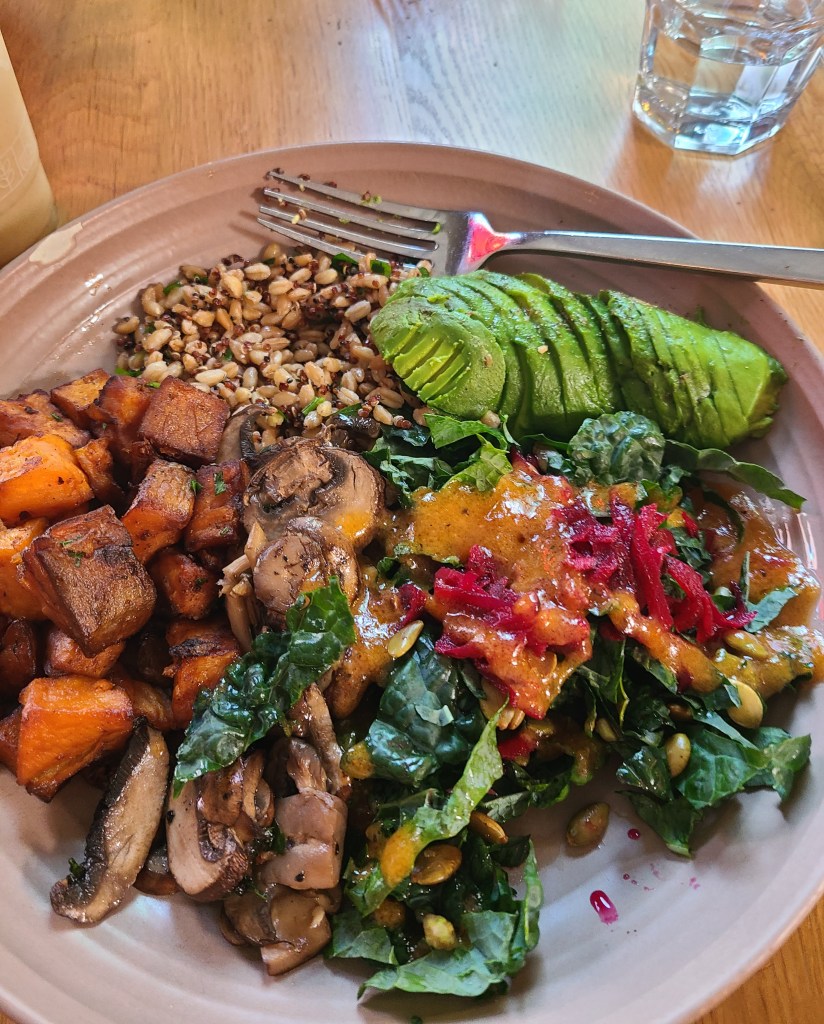
Before and after your runs you need to make sure you are getting adequate rest, recovery, and nutrition. Get in a good routine of planning out meals that are nutrient dense, and full of all the calories you expended. You need to replace the electrolytes, water, and everything else that you lost during your work out. I make sure to eat something high in fiber and fructose before I run like a banana, and often some nuts or seeds as well. After my run I load up on protein, good fats like avocado, and plenty of vegetables (my favorite is spinach). I also get my carbs in with brown or wild rice, quinoa, sweet potatoes, and beans!

For recovery I stretch and use my foam roller, I also do yoga a few times a week to make sure I stay flexible and have a good range of mobility. A few months ago I started going to a local cryotherapy place and doing the whole body cryotherapy for three and half minutes. I also like to do their sauna service, and compression therapy for when I really need the extra recovery help. The most important thing you can do is hydrate and getting plenty of quality sleep. This more than anything else will help you to feel your best after a challenging run. \

Finding a good community of people to go on runs with or to ask questions and get tips from is a great idea. Go to your local running shop and just look around, talk to the employees. They very likely have community runs a few times a week that are beginner friendly and they can help you get where you want o be. These shops usually have a great selection of gear, reading material, and loads of resources and group activities for those just getting into the sport. It can be intimidating, but do not let that stop you, everyone starts at the beginning, and the people at that shop are no exception!

Finally, I would like to say that it is important to know your “why” when it comes to longer distance runs. What intrinsically motivates you? What extrinsically motivates you? These are important things to ask yourself before a long race. Knowing the answers to these questions is what will get you to that finish line. It’s what will get you through the longer training sessions, the cold or hot days, and the sore muscles. You have to know why you want to finish. Is it so you can feel proud of yourself? Is it because you told a friend you would? Is it because you are supporting a cause? Any of these reasons are fine as long as they are meaningful to you.

Thank you for reading and allowing me to share what I have learned. I hope there is something in here that was helpful to you and I wish you luck on your running journey! You totally got this!

Pursuit, Plants, Serenity.