

I have been vegan for six years now, and the questions I get the most are always in regards to nutrition. Nutrition is important to everyone, and as a vegan athlete I find it vital to maintain my nutritional needs. It takes a lot of time to really understand nutrition and as a new vegan it can be very difficult. There is a lot of information out there, and not all of it is simple, helpful, or correct. This post will cover exactly how I make sure I meet all of my nutrient and caloric needs, as well as some sources of information and my favorite educational material.
How to know what your nutrient needs are:
A great way to discover what your specific nutritional needs are is to find a nutrition calculator that will give you information based on your body composition. The best one I have found so far is Cronometer, I like it because it is so easy! You can just go to the website or download the app and it gives you tons of information. It will ask you about your age, sex, weight, and height. After you make your profile and fill out the info it will give you specific targets to hit daily. You will enter all the food you eat and it breaks down exactly what macronutrients, vitamins, minerals, carbs, and proteins you have consumed for the day. The daily report will tell you what you need to eat and how much to reach your targets for nutrients and energy. It even gives you a breakdown of what nutrients are in a specific food you entered into your log. The best part is you can get access to all of these features for free!
It is also important to take into account the amount of exercise you get on a daily basis as this will affect your target energy intake for the day. The more exercise you get and energy you burn throughout the day, the more you need to be eating to replace that energy. Using Cronometer helps me to keep a food diary and that way I can make sure I do not over indulge the sweet treats and snack foods, and instead get good nutrient dense calories to replenish my energy.

What about supplements?
Supplements can be great if you use them for their intended purpose. Supplements are meant to help fill in the gaps in your diet, they are not a replacement for nutritious eating. Above all else you should strive to meet your nutrient and calorie goals with fresh or frozen foods and whole grains. The supplement you take should be for those vitamins and minerals that are difficult to get in your diet or that you are consistently low on.
I do take a daily supplement and I have for years. Supplements are not only good for people who are on a vegan diet, almost everyone could benefit from a daily supplement. I would encourage you to do a lot of research about the supplements before you start taking them as not all of them are as beneficial as they advertise. I personally take Hippo7 vegan complete, and additionally a C vitamin everyday. The Hippo7 daily vegan complete is a completely vegan supplement designed for vegans. The supplement includes vitamins B12 and D, Iron, Zinc, Iodine, Calcium, Omega-3s DHA, and EPA. I have been very pleased with Hippo7 and will definitely continue to order from them. I also include the supplement in my daily food diary on Cronometer.

Let’s talk vegan protein!
If you are a gymshark or an athlete then I know you think about protein all the time. When you are trying to build up muscle, endurance, or just stay mobile and limber it is vital that you get your protein in. I personally aim for 144g of protein everyday since I am a very active person. I do not find it challenging to meet this goal as a vegan. It is simple and easy to meet your protein goals as a vegan, protein is everywhere! Some things that I eat everyday to make sure I get my protein in are fortified cereals, vegan protein powder, tofu, oatmeal bars, nutritional yeast, and even rice!
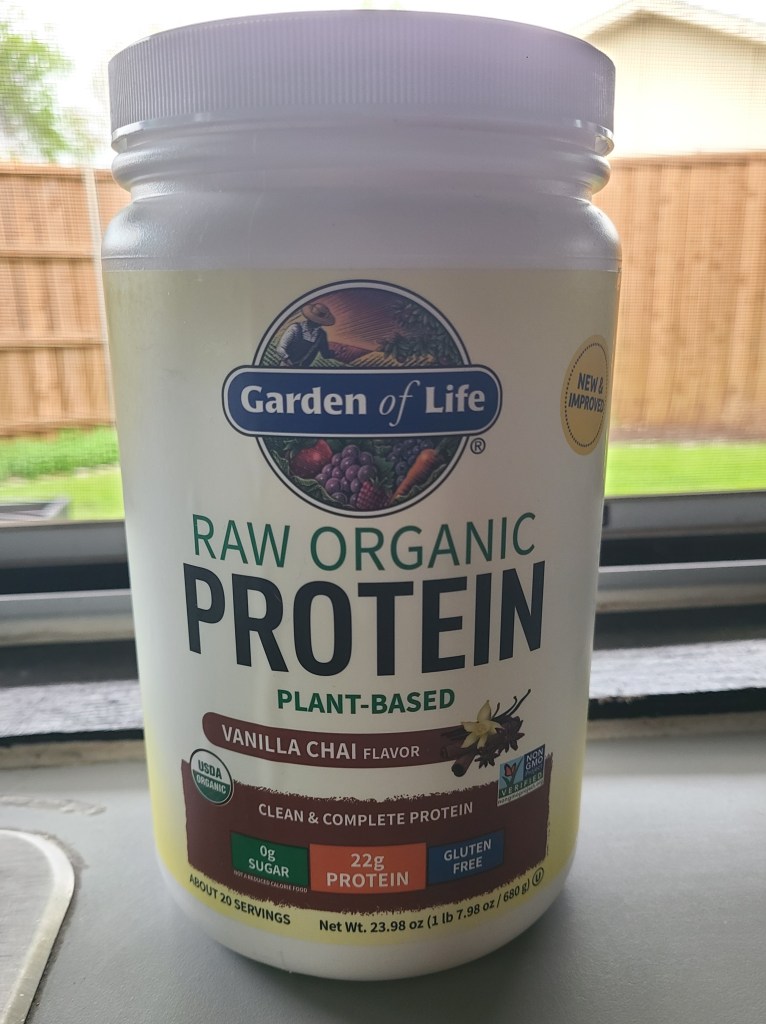
The cereal I eat is a high fiber cereal that I get about 30g of protein from in the mornings. It is a bit expensive but I really like it so I splurge a bit on it. The brand is Catalina Crunch, I get the cinnamon toast flavor. I started buying it for its high fiber content as I believe a high fiber diet is a healthy diet. The vegan protein powder I get is Garden Of Life brand and is both vegan and organic. I like the vanilla chai flavor, it is so good! This protein powder has 22g of protein per scoop and is a complete protein source. Complete proteins means they contain all nine essential amino acids in consistent amounts.
Firm tofu is my preferred type of tofu since it is such a great source of protein and also is a complete protein. Firm tofu contains about 22g of protein per half cup serving, and because it is so versatile it is easy to work quite a bit of tofu into your daily diet. Nutritional yeast has about 11g of protein in only three tablespoons. I sprinkle the large flake nutritional yeast on just about every savory dish I make, it has a great cheesy flavor.
Other great vegan protein sources are lentils, black beans, chickpeas, seitan, tempeh, oats, quinoa, and wild rice. Make sure that your daily protein intake aligns with your personal needs, everyone is different.
Carbohydrates are not evil –
Carbohydrates are one of three macro-nutrients, they are the preferred source of energy for nerve cells, and are an important energy source for all cells. Your body needs carbohydrates to function properly, and they should make up most of your plate during meals. My personal target for this macro is about forty five percent of my daily intake. Good sources include fruits, vegetables, and grains. Some of my favorite complex carb sources are oats, lentils, sweet potatoes, broccoli, and whole grain pastas. Carbs help to prevent muscle loss and also aid in muscle recovery.
Complex carbs like beans, nuts, and potatoes are the healthiest option. Complex carbs are digested slowly, this means that they release glucose into the blood stream more gradually. Simple carbs such as soda, candy, and baked treats are digested quickly and spike blood sugar faster and higher. Complex carbs are more filling, full of fiber, and help to maintain a healthy weight as well as increase digestive health. Complex carbs are also notably a large part of the diet of people around the world who live in blue zones. This may be part of the reason we see the population in these areas living longer with less health issues overall.
Lipids in a healthy diet –
Fats are the lipid content of diets and foods, they are essential for energy in a healthy diet. Monounsaturated fats and polyunsaturated fats are healthy for your heart and help to lower LDL cholesterol levels. These types of essential fatty acids decrease risk for heart disease and stroke, as well as help to boost HDL cholesterol (that’s the good kind)!
Avocado, seeds, nuts, and olives are just a few sources of healthy fats. I aim for fats to be about thirty percent of my daily nutrient intake. Eating healthy fats like these is important for brain health and brain function, healthy skin, vitamin absorption, and decreased overall inflammation.
Food for thought –
Although it can be easy to get caught up in all of the metrics and obsess over the numbers, try not to. Do your best, and have your goal be that you do a little better everyday. Expanding your knowledge, making sure you know your body, and know what makes you feel healthy is what is most important. Every person is different, so what works for me may not work for you. I encourage you to do your own research and build your own habits.
Nutrition is very scientific, however there is no one size fits all with this stuff. Everything really depends on your body and lifestyle, so please make sure you do what feel right for you. I would love for you to comment your own experiences with nutrition and what your goals or routines are. I will also answer any questions about my personal goals or habits to the best of my ability.
Pursuit, Plants, Serenity
 Caelin Plants