
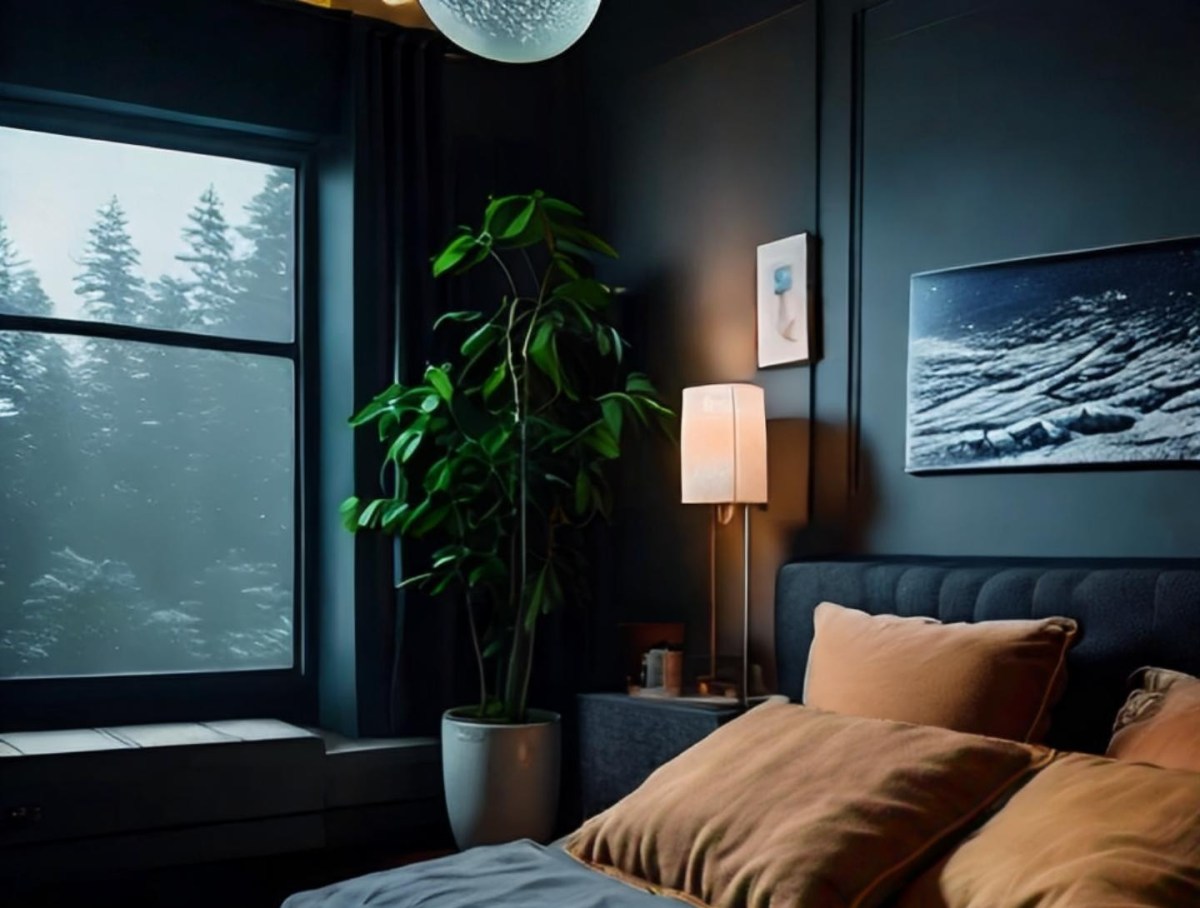
Almost 30% of adults struggle with falling asleep or staying asleep. An estimated 1 in 3 adults do not get enough quality sleep, that is a huge amount of people. We all know that sleep is important, and that we feel better when we get good sleep. Why is sleep so important?
Sleep helps us maintain not only our brain and heart health, but also helps us to prevent chronic health conditions later on in life. Sleep also helps reduce stress and anxiety, improves our mood, helps us to retain information long term, and helps us learn effectively by creating new pathways in our brains. This means we can receive and retain more information day to day. Sleep amplifies creativity as well by making us more energetic and focused!
If you have ever experienced the sleep struggle then you are likely familiar with Insomnia. The sleeping disorder is very common (about 1 in 3 adults experience symptoms). About 10% of adults have severe enough sleep disruptions to classify it as a true disorder. Insomnia can make it difficult to fall asleep, stay asleep, or get good quality sleep. Lack of necessary sleep can make us feel tired or cranky throughout the day, it also drastically impacts our ability to focus and retain information.
I struggled with Insomnia for many years, it was almost impossible for me to get more than three hours of sleep at a time, and even then it was poor quality. I never truly felt well rested. I started implementing new “sleep hygiene” habits and it has made a world of difference. I sleep so well now, usually between 8.5 and 9.5 hours each night. I do not tell you this to brag, but to share what has worked for me.
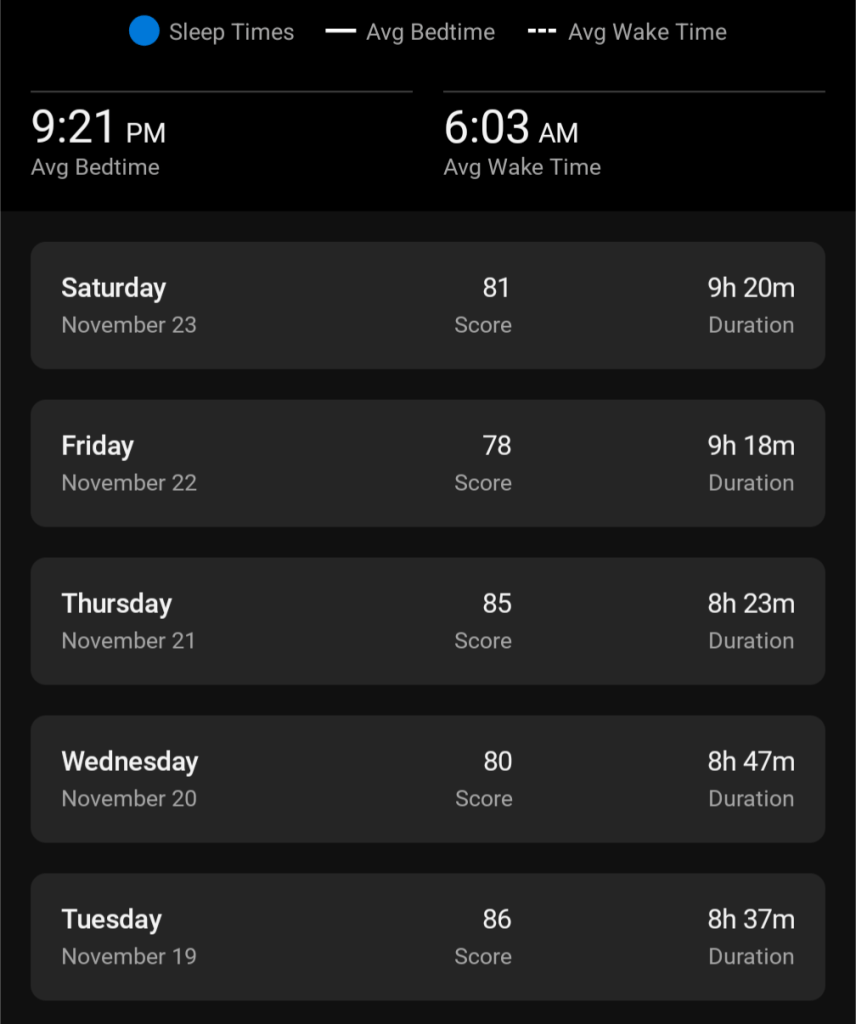
Proof I sleep good now ⬆
What causes sleep disruptions?
While many things can cause sleep disruptions, there are a few well known offenders such as stress, travel, work schedule, and lifestyle choices. I will be focusing on lifestyle choices sense they are most easily changed and within our control (for the most part).
Regular Sleep Schedule
Going to bed at all hours of the night harms your natural Circadian rhythm which regulates your twenty-four hour sleep/wake cycle. Winding down and going to bed at around the same time every night triggers your brain to make you feel sleepy at that time. Being consistent about your bed time is one of the best ways to ensure you will be able to fall asleep when you want to. The more you do this, the better it works. I now have a “go to bed” alarm, when I hear it I know that it is time to settle down for the night. This way I have a reminder every night to stop my work for the evening and get some rest!
Caffeine
I am not a coffee drinker, but I LOVE tea. I drink tea every day, and have for years, it is my favorite, but I never drink caffeinated tea after a certain time of evening. It is recommended to stop drinking caffeine about six hours before you want to sleep. For me this means no caffeinated tea after about 3PM, which I think is totally reasonable. Caffeine has a half life of about 6 to 8 hours, which means if you are drinking it late in the day it is still pumping through your system and keeping you wired while you are wanting to wind down.
Exercise
Getting regular exercise throughout your week will help improve your sleep. Aiming for three to five times per week is a great goal, and it doesn’t have to be perfect, just do what you can. The key here is to make sure you are finished with your exercise at least two hours before bed. If you exercise too close to bed time then you run the risk of still being amped up from your workout. All of the endorphins and adrenaline will still be fresh in your body and will not be helpful when trying to doze off.
Dinner
The same rule applies here, try not to have a big meal about two hours before your ideal bed time. If you eat a very large meal right before bed it is unlikely you will get quality sleep. Your body is having to work to digest and metabolize your meal and all of that work does not give your body the change to really calm down for ideal sleeping conditions. Eating at least two hours before bed allows your body to digest and settle before bed, meaning you won’t feel so lethargic and uncomfortable while trying to sleep.
Technology
We are all guilty of this, however we can get better! Try to not use your tech in bed (I know, that sounds rough). It is difficult, especially if you are used to looking at your phone or sleeping with the TV on, but here me out. Sleep experts recommend no technology in bed, and that bed should be a place for sleep and relaxation. Technology is meant to keep us alert, attentive, and engaged, none of which is conducive to a good nights sleep. Aim for no tech in bed thirty minutes before your ideal sleep time. This way you have a chance to disengage, and relax without all of that enticing colorful media shining into your eyeballs. Instead, try to journal, read a book, or do a crossword to relax before bed!
Naps
Taking naps during the day negatively impacts your sleep cycle, especially if you already struggle with sleeping. Do your best to hold off until bed time and then you will be tired at the correct time instead of the middle of the day. Along with this, if you regularly sleep on the couch, break that habit. Having a designated sleep space will help signal to your brain that that place is where sleep happens. The goal is for your bed to be THE PLACE for sleep, and for everywhere else to be for waking hours.
Ambiance
Your bedroom should be dark, quiet, and none stimulating. If you need a small light then you are not alone, just make sure it is small and not bright. I have a small salt lamp that puts off a dim red glow, it is not distracting, and it is not lighting up my whole room. Outside of a small night light like my salt lamp, I have no other lights in the room. I also have some lavender misting spray that i put on my pillow that helps me to feel calm and relaxed. I have invested in a cheap but effective eye mask that I use from time to time, it was especially helpful in the beginning when I would have trouble keeping my eyes closed. The last thing I do to set the ambiance is use my HeadSpace App. I go to the Sleep tab and listen to the “sleeping wind down” video they have, and it puts me down in five minutes or less. It is not loud or distracting, it is just the opposite.
Checking the Time
The first few weeks when you are trying to implement these changes, you will likely still have a bit of trouble falling asleep. If and when this happens, do not roll over and check the time. This will only lead to stress and stimulation. When you check the time every few minutes it will lead to overthinking, and stress about how awake you still are. The goal is to just lay there without looking at anything until you finally fall asleep. The impulse to check the time is coming from wanting to fight your sleep more. Don’t fall for it! If you need to then put your phone on the other side of your room so you can’t check it.
All of these points are free and can applied immediately, so if you are struggling with sleep try them out and let me know if they help. I really hope that they do, we all deserve a good night of sleep.
That’s all for now, thank you so much!
Caelin ❤
Discover more from Caelin Plants
Subscribe to get the latest posts sent to your email.
Share this:


 Caelin Plants