

Subscribe to continue reading
Subscribe to get access to the rest of this post and other subscriber-only content.
Subscribe to get access to the rest of this post and other subscriber-only content.
Have you ever felt stuck in a rut, unsure of how to move forward? Maybe you’ve noticed that self-doubt creeps in whenever you think about trying something new. You’re not alone. Many of us struggle with staying in our comfort zones because it feels safe, predictable, and familiar. But here’s the truth: real growth happens when we step outside that zone. Confidence isn’t always something you’re born with—it’s something you build by taking action, even when it feels uncomfortable.
In this guide, we’ll explore how to break free from self-doubt, embrace discomfort, and build the confidence you need to achieve your goals. Let’s dive in.
Why Staying in Your Comfort Zone Holds You Back
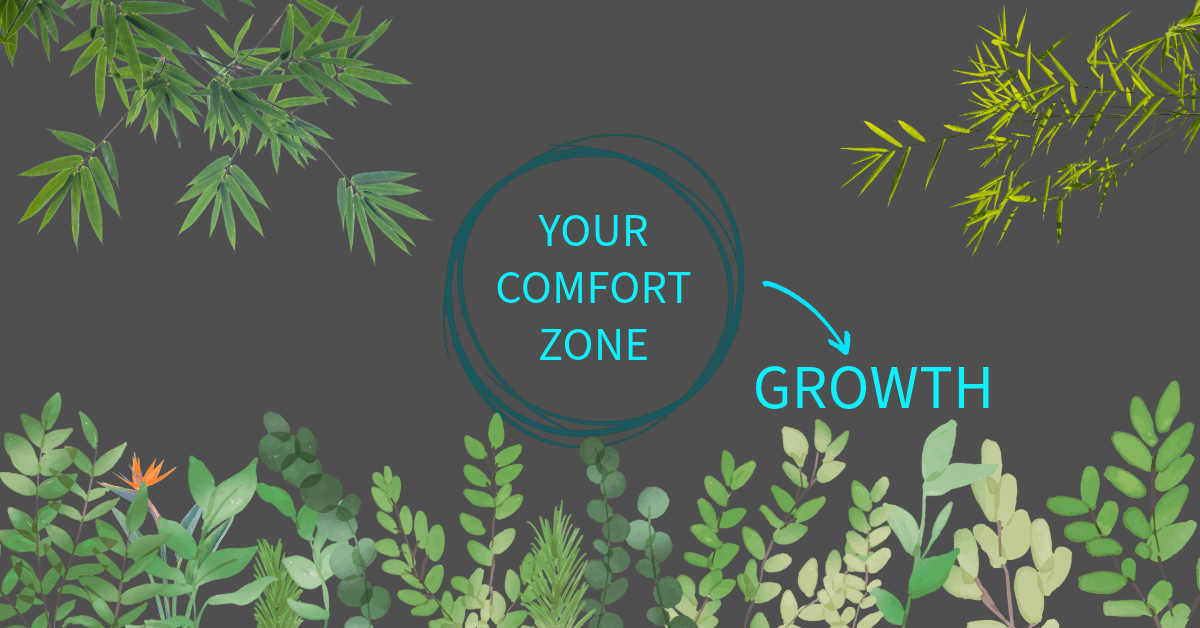
Your comfort zone is like a cozy bubble. It’s filled with routines, habits, and situations that feel safe and predictable. But here’s the catch: staying in that bubble limits your perspective and keeps you from growing. Without stepping out, you’ll never gain the confidence to tackle bigger challenges or reach your goals.
Think about it: if you avoid trying new things, you’re missing out on opportunities to learn, grow, and discover what you’re truly capable of. The first step to building confidence is recognizing that discomfort is a sign of progress, not a reason to retreat.
How to Identify Your Comfort Zone
To step out of your comfort zone, you first need to know where it is. Start by paying attention to the activities and situations that feel the most familiar and safe. These are your comfort zones.
Ask yourself:
– What routines do I follow every day?
– What situations do I avoid because they feel intimidating?
– What activities make me feel anxious or uncertain?
If you notice something you consistently avoid, it’s likely outside your comfort zone. That’s a good thing! It means you’ve identified an area where you can grow.
The Role of Mindset in Building Confidence
Your mindset plays a huge role in how you approach challenges. A growth mindset—the belief that you can learn, improve, and achieve your goals—is essential for building confidence. On the other hand, a fixed mindset—the belief that your abilities are set in stone—can hold you back.
Here’s the good news: you can change your mindset. Start by shifting your perspective. Instead of thinking, “I can’t do this,” try, “I can learn how to do this.” This small change can make a big difference in how you approach challenges and setbacks.
Strategies for Stepping Out of Your Comfort Zone
Ready to take the leap? Here are some practical strategies to help you step out of your comfort zone and build confidence:
1. Start Small
You don’t have to jump into the deep end right away. Start with small changes to your routine. For example:
– Eat lunch at a new place.
– Compliment a stranger.
– Strike up a conversation with a coworker you don’t usually talk to.
These small steps can help you get comfortable with discomfort and build momentum for bigger challenges.
2. Acknowledge Your Fear
Fear is a natural part of stepping out of your comfort zone. Instead of avoiding it, acknowledge it. Recognize that fear is often a sign that you’re about to do something meaningful.
3. Embrace Failure as a Learning Opportunity
Failure is not the opposite of success—it’s part of the journey. Every time you fail, you learn something new. Celebrate your failures as opportunities to grow and improve.
4. Find a Role Model
Look for someone who’s already doing what you want to do. Study their journey, learn from their experiences, and use their story as inspiration.
5. Build a Support System
Surround yourself with people who encourage and support your growth. A strong support system can help you stay motivated and accountable.
6. Take Action
Learning is important, but action is what leads to progress. Take what you’ve learned and put it into practice. Whether it’s trying a new recipe, starting a podcast, or learning a new skill, take actionable steps toward your goals.
7. Explore New Places
Go somewhere you’ve never been before. It doesn’t have to be far—just a new city, restaurant, or event. Experiencing new environments can give you fresh perspectives and help you grow.
How to Stay Consistent
Consistency is key to building confidence. Here’s how to stay on track:
1. Celebrate Small Wins: Acknowledge and celebrate every step forward, no matter how small.
2. Journal Your Progress: Write down your achievements and reflect on how far you’ve come.
3. Stay Curious: Keep learning and exploring new things to maintain momentum.
4. Surround Yourself with Like-Minded People: Spend time with others who are also pushing their comfort zones.
Final Thoughts: Take the First Step
Stepping out of your comfort zone isn’t easy, but it’s worth it. Every time you take a risk, you’re building confidence, gaining new perspectives, and moving closer to your goals. Remember, growth happens outside your comfort zone.
So, what’s one thing you’ve been wanting to do but haven’t yet? Take that first step today. Whether it’s trying a new activity, starting a conversation, or exploring a new place, embrace the discomfort and see where it takes you.
You’ve got this. The journey to confidence starts with a single step—take it now.
That’s all for now 🙋
-Caelin Plants
Self doubt is such a common struggle, we have all felt the pressure of doubt creep up in life. While we may experience self doubt or lack of confidence from time to time, it can be problematic when it is consistent. A lot of our doubts or negative self image can be connected to our mental health, perfectionism, overthinking, and past experiences. Self doubt can make us feel less motivated, more stressed, increase our tendency to procrastinate, and leave us feeling overwhelmed.
Here are seven key Strategies to help you boost your confidence and overcome the self doubt:
1.) Positive Self-Talk
When you notice yourself having a negative thought, don’t beat yourself up over it. Instead of getting upset at the thought or trying to ignore it, acknowledge the thought and then intentionally think an encouraging affirmation about yourself. For example, if you are learning a new skill and think “I am bad at this.” Acknowledge that thought, and then think to yourself “I am new at this, and I will get better over time with practice.”
This method with help you to challenge each negative thought with a positive one, and also allow you the opportunity to stop trying to force the negative thoughts away.
2.) Goal Setting
Setting and reaching small goals is a great way to boost self confidence. The best way to do this is by listing out 3 to 5 realistic and small goals that can be achieved in a relatively small time frame. Make sure these goals are well within your current abilities at the start. Once you reach these goals celebrate your achievement, and set the next small goal forward. These micro-wins will add up and build your self esteem and confidence over time. This is also a great way to gain motivation!
3.) Get Outside of Your Comfort Zone
Is there something small you have always wanted to try? Maybe painting, or crochet? Maybe a short run or light weightlifting? Trying new activities or putting yourself in new situations is a great way to build your confidence in your abilities. Think of one new thing outside of your normal routine or comfort zone to try once a month or even once every other week. This will broaden your perception of what you can do and help you to make new connections resulting in a better self image.

4.) Identify the Strengths You Have
List out all of the positive qualities of your personality and any good skills you may have. Focus on highlighting the things about yourself that make you proud to be you. Once you have your list make sure to celebrate those things about yourself and take a moment to be grateful. You can then use that list to figure out how you can use your strengths to your advantage. Build on your strengths and then your list of positive qualities will continue to grow!
5.) Avoid Comparisons
Comparison is the thief of joy as they say – so try hard not to do it. It is totally okay if you use the achievements of other people as inspiration, motivation, or even as guidelines to follow. Comparisons are much different, you will never be them and they will never be you, everyone is unique. I know this sounds very cliche but trust me its is true. You have your own abilities and talents, so if you constantly compare to other people, you will never measure up because you are not using the correct mark to measure against. If you must measure, then measure against who and where you were last month, year, or decade.
6.) Physical Well – Being
Regular exercise is great for a lot of reasons, it can help with confidence because it is a mood booster. Exercise or most movement in general raises your self perception and increases a positive mental attitude. When you move you start to feel good and when you feel good physically, you will start to feel good mentally as well. It is important to know that the goal here is not for aesthetics, the goal is to improve our physical and mental well being.
7.) Have a Supportive Network
Spend your time with people who support, uplift, and encourage you. We pick up on the language and disposition of other people. For this reason it is vital that we spend the majority of our time around people that have our backs. Having a strong and present network of close friends and family that support your goals will make it that much easier to feel confident in your endeavors.
That’s all for now, Thank you!
Caelin 💜

 Caelin Plants