
Overcoming Self-Doubt: Strategies for Building Confidence

Self doubt is such a common struggle, we have all felt the pressure of doubt creep up in life. While we may experience self doubt or lack of confidence from time to time, it can be problematic when it is consistent. A lot of our doubts or negative self image can be connected to our mental health, perfectionism, overthinking, and past experiences. Self doubt can make us feel less motivated, more stressed, increase our tendency to procrastinate, and leave us feeling overwhelmed.

Here are seven key Strategies to help you boost your confidence and overcome the self doubt:

1.) Positive Self-Talk

When you notice yourself having a negative thought, don’t beat yourself up over it. Instead of getting upset at the thought or trying to ignore it, acknowledge the thought and then intentionally think an encouraging affirmation about yourself. For example, if you are learning a new skill and think “I am bad at this.” Acknowledge that thought, and then think to yourself “I am new at this, and I will get better over time with practice.”

This method with help you to challenge each negative thought with a positive one, and also allow you the opportunity to stop trying to force the negative thoughts away.

2.) Goal Setting

Setting and reaching small goals is a great way to boost self confidence. The best way to do this is by listing out 3 to 5 realistic and small goals that can be achieved in a relatively small time frame. Make sure these goals are well within your current abilities at the start. Once you reach these goals celebrate your achievement, and set the next small goal forward. These micro-wins will add up and build your self esteem and confidence over time. This is also a great way to gain motivation!

3.) Get Outside of Your Comfort Zone

Is there something small you have always wanted to try? Maybe painting, or crochet? Maybe a short run or light weightlifting? Trying new activities or putting yourself in new situations is a great way to build your confidence in your abilities. Think of one new thing outside of your normal routine or comfort zone to try once a month or even once every other week. This will broaden your perception of what you can do and help you to make new connections resulting in a better self image.
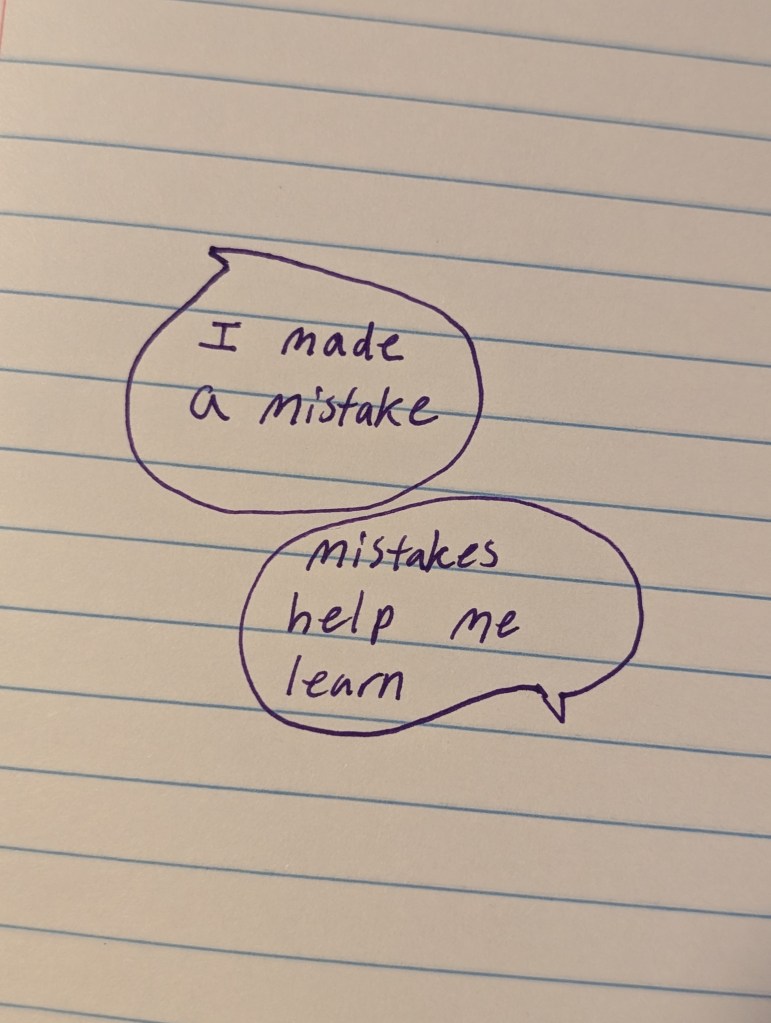
4.) Identify the Strengths You Have

List out all of the positive qualities of your personality and any good skills you may have. Focus on highlighting the things about yourself that make you proud to be you. Once you have your list make sure to celebrate those things about yourself and take a moment to be grateful. You can then use that list to figure out how you can use your strengths to your advantage. Build on your strengths and then your list of positive qualities will continue to grow!

5.) Avoid Comparisons

Comparison is the thief of joy as they say – so try hard not to do it. It is totally okay if you use the achievements of other people as inspiration, motivation, or even as guidelines to follow. Comparisons are much different, you will never be them and they will never be you, everyone is unique. I know this sounds very cliche but trust me its is true. You have your own abilities and talents, so if you constantly compare to other people, you will never measure up because you are not using the correct mark to measure against. If you must measure, then measure against who and where you were last month, year, or decade.

6.) Physical Well – Being

Regular exercise is great for a lot of reasons, it can help with confidence because it is a mood booster. Exercise or most movement in general raises your self perception and increases a positive mental attitude. When you move you start to feel good and when you feel good physically, you will start to feel good mentally as well. It is important to know that the goal here is not for aesthetics, the goal is to improve our physical and mental well being.

7.) Have a Supportive Network

Spend your time with people who support, uplift, and encourage you. We pick up on the language and disposition of other people. For this reason it is vital that we spend the majority of our time around people that have our backs. Having a strong and present network of close friends and family that support your goals will make it that much easier to feel confident in your endeavors.

That’s all for now, Thank you!

Caelin đź’ś

How To Be Happier

When we think of being happy, we may start daydreaming about what it might take to make us feel happy. We may think of a new job, new routine, new car, or even different hobbies. These external things and thoughts of a future we do not have yet will only get us so far. Most of us would only experience temporary happiness from getting new things or having a change of scenery. Long term happiness comes from something different, an internal shift. 

Happiness is something we choose everyday, it has to be intentional. Similar to any other goal we have, showing up and putting in the upfront work is what matters. Intentional happiness is like exercising a muscle, at first it may be uncomfortable, but after a while it starts to feel more natural. To achieve long term happiness we have to change our mindset to be more content, confident, and satisfied. Feeling happy with what you have is a very important place to start. Often this mindset is called gratitude, gratitude is realizing all the things you have that bring your life joy, comfort, and stability. Sometimes it can be hard to practice gratitude, especially when we are going through a challenging time. The important thing to remember is we have more control over our lives than we may think, whatever challenge we may be going through will eventually pass and get better. 

A lovely piece of wisdom I heard a couple years ago is taking a situation that on the surface looks bad, and probably even feels bad, and asking yourself “How is this the best thing that has ever happened to me?”. This question is an extreme take in the opposite direction of negativity. It is meant to be a question that really makes you think hard about what good could come out of a perceived bad situation. 

I do want to make it clear that I do not support repressing or ignoring your emotions. Emotions can be complicated and overwhelming. In my experience the best way to deal with big emotions is to acknowledge them, and then let them pass. Feel what you are feeling, and then let it go. The exercise mentioned above is a practice in not staying stuck in a negativity spiral, and is not meant to shove down any emotions you may be having. Instead it is giving you the opportunity to look at a situation through a different lens so that you can work through the problem at hand. 

You can also practice gratitude while still having the intention and motivation to make changes in your life. Gratitude does not mean that you have to stay in the same situation, or that you can not make changes for a better future. All it means is finding peace and serenity in the current moment. Having serenity in your current situation will allow you to have a clear head so that you can better evaluate the next right step. A good place to start with a gratitude practice is journaling. I enjoy writing a few things when I first wake up in the morning. Starting my day off this way sets the tone for having gratitude, patience, and positivity with any situation I encounter. I do not write any specific amount of things, I just jot down whatever comes to mind. Today the things I wrote down were “a storm I got to watch last night, my dogs, and my progress in learning a second language”. 

Another way you can incorporate gratitude into your life is acknowledging when you have a thought you do not like, and then out loud telling yourself a different story. All thoughts we have are really just stories we tell ourselves. Sometimes they aren’t even our own stories, they are stories that other people have told us. Thoughts like “traffic sucks, people don’t like me, I can’t achieve this goal” are all stories we think, most of which are probably not our original thoughts. So tell yourself a different story, take sitting in traffic as an opportunity to listen to an audio book. Think of three people that definitely like you, and assure yourself that you can absolutely accomplish this new goal. Those stories are far more likely to be true anyways. Change the narrative in your head and you will start to see your outlook on things change dramatically in a relatively short amount of time. 

The last piece of advice I have for you is to understand that certain things are outside of your control. This may sound simple, but it is really hard to put into practice. You do have control over your attitude, your mindset, what you eat, how you treat your body, and a lot of other things! You do not have control over other people, how they act, what they do, the weather, or what time of day it is. When something outside of your control happens, try hard not to let it weigh on you for too long. Take notice of the frustration or disappointment, and then understand that it is out of your control and let it go. Putting this into practice during your day to day will give you so much peace and serenity. As much as it may not feel like it sometimes, you do have more control than it seems, even if that control is just over how you respond to situations. 

Overall being happier takes practice just like anything else, and it will take effort to feel the change. The effort you put in is worth it, and will benefit you and your loved ones in the long term. Start small and implement some of the above listed exercises and see what differences you feel in a few weeks time. It may even be beneficial to journal about any changes you feel during this process. Keeping track of how you feel each time you respond in a new way to a situation could keep you motivated in this journey.

I hope this has been helpful and that you continue to find happiness in your life. 

Pursuit, Plants, Serenity.