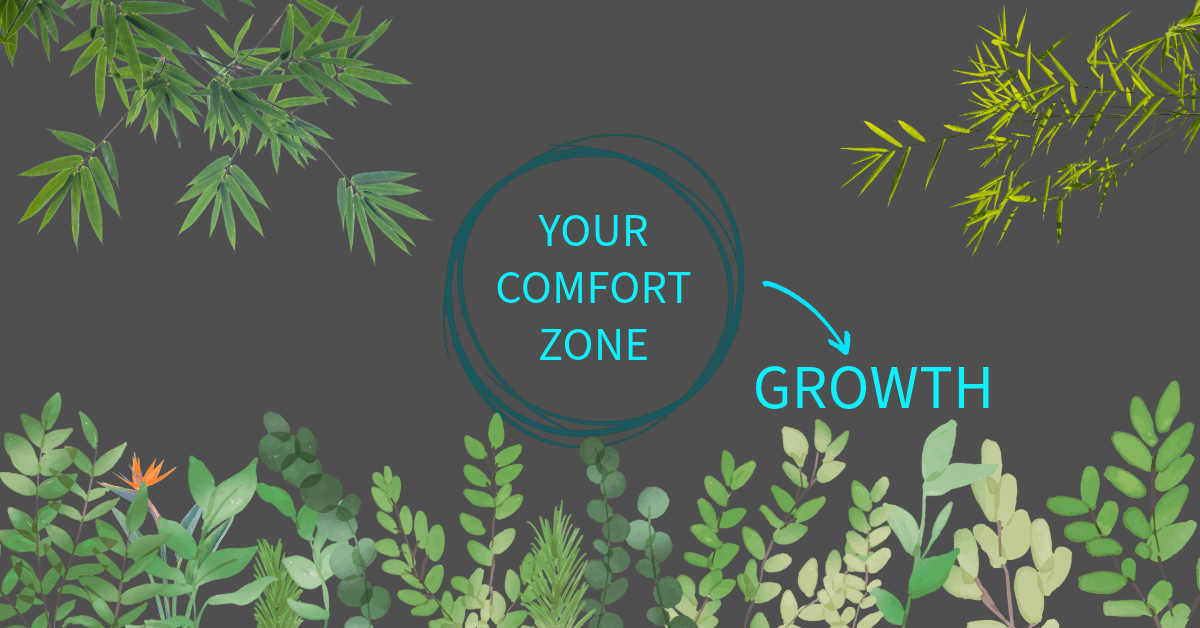
Building Confidence: A Guide to Stepping Out of Your Comfort Zone 


Have you ever felt stuck in a rut, unsure of how to move forward? Maybe you’ve noticed that self-doubt creeps in whenever you think about trying something new. You’re not alone. Many of us struggle with staying in our comfort zones because it feels safe, predictable, and familiar. But here’s the truth: real growth happens when we step outside that zone. Confidence isn’t always something you’re born with—it’s something you build by taking action, even when it feels uncomfortable. 

In this guide, we’ll explore how to break free from self-doubt, embrace discomfort, and build the confidence you need to achieve your goals. Let’s dive in. 


Why Staying in Your Comfort Zone Holds You Back 

Your comfort zone is like a cozy bubble. It’s filled with routines, habits, and situations that feel safe and predictable. But here’s the catch: staying in that bubble limits your perspective and keeps you from growing. Without stepping out, you’ll never gain the confidence to tackle bigger challenges or reach your goals. 

Think about it: if you avoid trying new things, you’re missing out on opportunities to learn, grow, and discover what you’re truly capable of. The first step to building confidence is recognizing that discomfort is a sign of progress, not a reason to retreat. 


How to Identify Your Comfort Zone 


To step out of your comfort zone, you first need to know where it is. Start by paying attention to the activities and situations that feel the most familiar and safe. These are your comfort zones. 

Ask yourself: 
– What routines do I follow every day? 
– What situations do I avoid because they feel intimidating? 
– What activities make me feel anxious or uncertain? 

If you notice something you consistently avoid, it’s likely outside your comfort zone. That’s a good thing! It means you’ve identified an area where you can grow. 


The Role of Mindset in Building Confidence 


Your mindset plays a huge role in how you approach challenges. A growth mindset—the belief that you can learn, improve, and achieve your goals—is essential for building confidence. On the other hand, a fixed mindset—the belief that your abilities are set in stone—can hold you back. 

Here’s the good news: you can change your mindset. Start by shifting your perspective. Instead of thinking, “I can’t do this,” try, “I can learn how to do this.” This small change can make a big difference in how you approach challenges and setbacks. 


Strategies for Stepping Out of Your Comfort Zone 


Ready to take the leap? Here are some practical strategies to help you step out of your comfort zone and build confidence: 

1. Start Small 
You don’t have to jump into the deep end right away. Start with small changes to your routine. For example: 
– Eat lunch at a new place. 
– Compliment a stranger. 
– Strike up a conversation with a coworker you don’t usually talk to. 

These small steps can help you get comfortable with discomfort and build momentum for bigger challenges. 

2. Acknowledge Your Fear 

Fear is a natural part of stepping out of your comfort zone. Instead of avoiding it, acknowledge it. Recognize that fear is often a sign that you’re about to do something meaningful. 

3. Embrace Failure as a Learning Opportunity 
Failure is not the opposite of success—it’s part of the journey. Every time you fail, you learn something new. Celebrate your failures as opportunities to grow and improve. 

4. Find a Role Model 

Look for someone who’s already doing what you want to do. Study their journey, learn from their experiences, and use their story as inspiration. 

5. Build a Support System 

Surround yourself with people who encourage and support your growth. A strong support system can help you stay motivated and accountable. 

6. Take Action 
Learning is important, but action is what leads to progress. Take what you’ve learned and put it into practice. Whether it’s trying a new recipe, starting a podcast, or learning a new skill, take actionable steps toward your goals. 


7. Explore New Places 
Go somewhere you’ve never been before. It doesn’t have to be far—just a new city, restaurant, or event. Experiencing new environments can give you fresh perspectives and help you grow. 


How to Stay Consistent 


Consistency is key to building confidence. Here’s how to stay on track: 

1. Celebrate Small Wins: Acknowledge and celebrate every step forward, no matter how small. 
2. Journal Your Progress: Write down your achievements and reflect on how far you’ve come. 
3. Stay Curious: Keep learning and exploring new things to maintain momentum. 
4. Surround Yourself with Like-Minded People: Spend time with others who are also pushing their comfort zones. 


Final Thoughts: Take the First Step 

Stepping out of your comfort zone isn’t easy, but it’s worth it. Every time you take a risk, you’re building confidence, gaining new perspectives, and moving closer to your goals. Remember, growth happens outside your comfort zone. 

So, what’s one thing you’ve been wanting to do but haven’t yet? Take that first step today. Whether it’s trying a new activity, starting a conversation, or exploring a new place, embrace the discomfort and see where it takes you. 

You’ve got this. The journey to confidence starts with a single step—take it now.

That’s all for now 🙋

-Caelin Plants

How To Be Happier

When we think of being happy, we may start daydreaming about what it might take to make us feel happy. We may think of a new job, new routine, new car, or even different hobbies. These external things and thoughts of a future we do not have yet will only get us so far. Most of us would only experience temporary happiness from getting new things or having a change of scenery. Long term happiness comes from something different, an internal shift. 

Happiness is something we choose everyday, it has to be intentional. Similar to any other goal we have, showing up and putting in the upfront work is what matters. Intentional happiness is like exercising a muscle, at first it may be uncomfortable, but after a while it starts to feel more natural. To achieve long term happiness we have to change our mindset to be more content, confident, and satisfied. Feeling happy with what you have is a very important place to start. Often this mindset is called gratitude, gratitude is realizing all the things you have that bring your life joy, comfort, and stability. Sometimes it can be hard to practice gratitude, especially when we are going through a challenging time. The important thing to remember is we have more control over our lives than we may think, whatever challenge we may be going through will eventually pass and get better. 

A lovely piece of wisdom I heard a couple years ago is taking a situation that on the surface looks bad, and probably even feels bad, and asking yourself “How is this the best thing that has ever happened to me?”. This question is an extreme take in the opposite direction of negativity. It is meant to be a question that really makes you think hard about what good could come out of a perceived bad situation. 

I do want to make it clear that I do not support repressing or ignoring your emotions. Emotions can be complicated and overwhelming. In my experience the best way to deal with big emotions is to acknowledge them, and then let them pass. Feel what you are feeling, and then let it go. The exercise mentioned above is a practice in not staying stuck in a negativity spiral, and is not meant to shove down any emotions you may be having. Instead it is giving you the opportunity to look at a situation through a different lens so that you can work through the problem at hand. 

You can also practice gratitude while still having the intention and motivation to make changes in your life. Gratitude does not mean that you have to stay in the same situation, or that you can not make changes for a better future. All it means is finding peace and serenity in the current moment. Having serenity in your current situation will allow you to have a clear head so that you can better evaluate the next right step. A good place to start with a gratitude practice is journaling. I enjoy writing a few things when I first wake up in the morning. Starting my day off this way sets the tone for having gratitude, patience, and positivity with any situation I encounter. I do not write any specific amount of things, I just jot down whatever comes to mind. Today the things I wrote down were “a storm I got to watch last night, my dogs, and my progress in learning a second language”. 

Another way you can incorporate gratitude into your life is acknowledging when you have a thought you do not like, and then out loud telling yourself a different story. All thoughts we have are really just stories we tell ourselves. Sometimes they aren’t even our own stories, they are stories that other people have told us. Thoughts like “traffic sucks, people don’t like me, I can’t achieve this goal” are all stories we think, most of which are probably not our original thoughts. So tell yourself a different story, take sitting in traffic as an opportunity to listen to an audio book. Think of three people that definitely like you, and assure yourself that you can absolutely accomplish this new goal. Those stories are far more likely to be true anyways. Change the narrative in your head and you will start to see your outlook on things change dramatically in a relatively short amount of time. 

The last piece of advice I have for you is to understand that certain things are outside of your control. This may sound simple, but it is really hard to put into practice. You do have control over your attitude, your mindset, what you eat, how you treat your body, and a lot of other things! You do not have control over other people, how they act, what they do, the weather, or what time of day it is. When something outside of your control happens, try hard not to let it weigh on you for too long. Take notice of the frustration or disappointment, and then understand that it is out of your control and let it go. Putting this into practice during your day to day will give you so much peace and serenity. As much as it may not feel like it sometimes, you do have more control than it seems, even if that control is just over how you respond to situations. 

Overall being happier takes practice just like anything else, and it will take effort to feel the change. The effort you put in is worth it, and will benefit you and your loved ones in the long term. Start small and implement some of the above listed exercises and see what differences you feel in a few weeks time. It may even be beneficial to journal about any changes you feel during this process. Keeping track of how you feel each time you respond in a new way to a situation could keep you motivated in this journey.

I hope this has been helpful and that you continue to find happiness in your life. 

Pursuit, Plants, Serenity.