How I Trained For My First Half Marathon

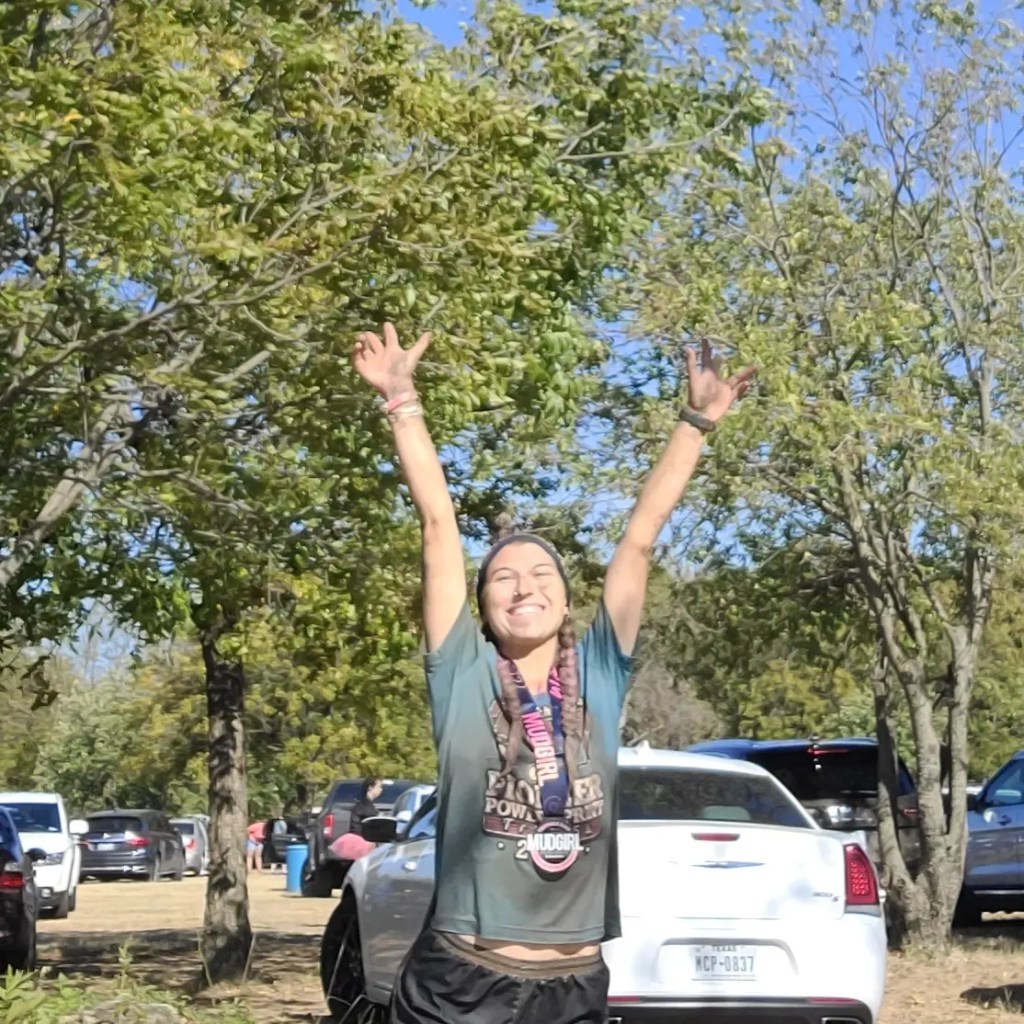
When I first started running I mostly participated in 5K runs that were local and I was not very concerned with how quickly I finished the run. I finished about fifteen of these 5K events over the course of about two years and then I decided I wanted to do something a bit more challenging so I signed up for obstacle races that had between twelve and twenty obstacles, but were the same distance, still about 3.1 miles. That trend of wanting a bit more of a challenge continued and I went on to finish a 10K, 15K, and most recently a half marathon.
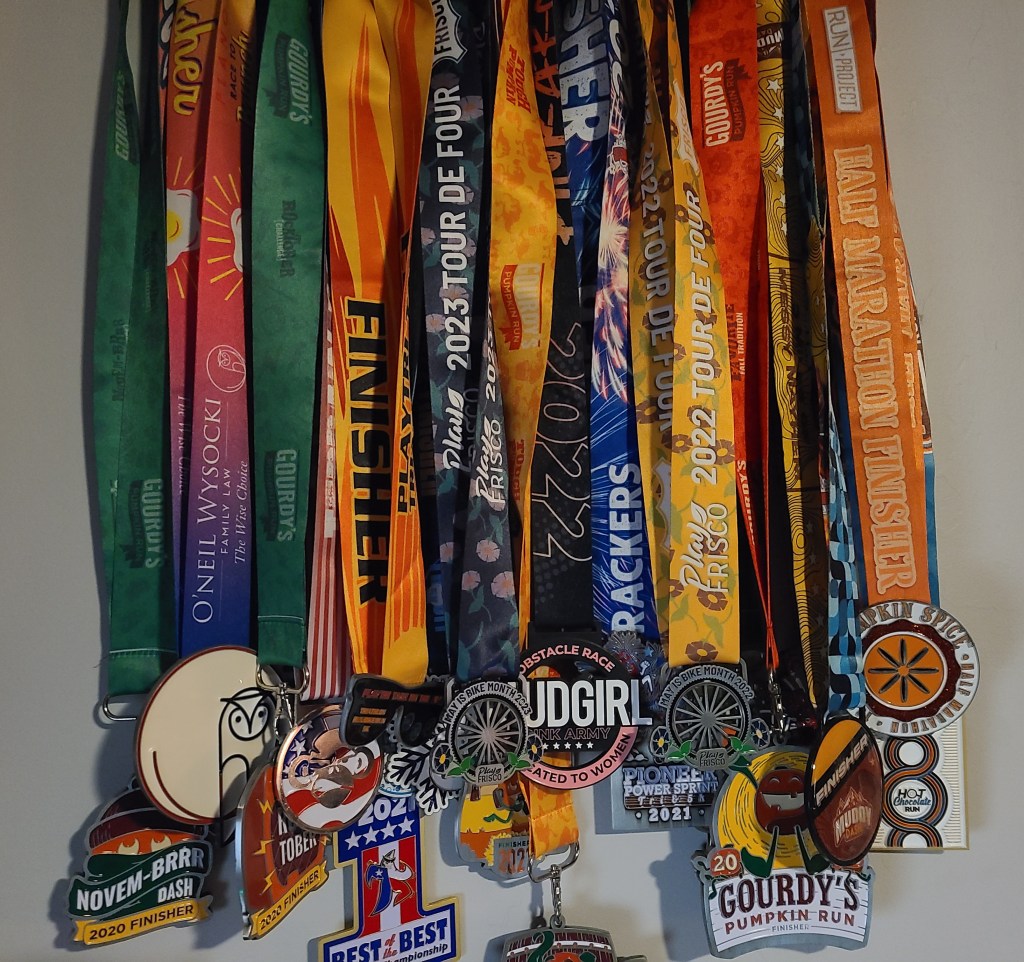
I am very happy with the progress that I have made and I would love to share the knowledge I have gained. Most of what I have learned has been through trial and error, some of it I learned from books and friends. The single piece of information that I believe has helped me the most is fixing my body position while I run. I used to run with my shoulders tense and high up like I was bracing for something. I used to run with my stride way longer than what is natural or comfortable for me. The worst is that I would also run much faster that what I was really capable of for any type of distance longer than a sprint.

I went running with a friend of mine a while back that told me I needed to run in a more relaxed and comfortable position. I dropped my shoulders, relaxed my hands and let my arms drop closer to my waist. This helped dramatically, it also assisted with helping me not to get stitches while running because I could breath easier. I then read the book Finding Ultra by Rich Roll where he talked about his coach teaching him to run slower than he thought he could, and for as long as he could. Similar to Rich I thought that sounded dumb, why would I run slower if I was trying to get better? In the book he realized the coach was onto something so I decided to give it a go as well. Not so surprisingly this really worked, I shortened my stride and ran at a comfortable pace where I was still able to hold a conversation or sing. After doing this for a few weeks I really noticed a difference.

I was able to keep my pace for a lot longer, and I was not gasping and out of breath by the end of my run. I was able to almost double the amount of time I could run with out stopping. I also noticed that after my longer runs I was not so exhausted and my muscles were not so achy. I was able to recover faster with less discomfort between recoveries. Slowly I was able to pick up my pace and now I had some way to know if I was running too fast or with too much tension in my body. If I could no longer hold a conversation, I needed to slow down. If i started to get too winded or get a cramp, I needed to consciously relax my body.

Once I fixed the mechanics of my run it was time to set a schedule. My fiance and I already go to the gym five days a week most weeks anyways so it was just a matter of working the runs into my routine. For me that looks like running for at least three and half or four miles three to five times a week. Not all my runs happen at the gym and I also do longer runs to make sure that I am training for the longer distances that I want to cover in a race. I frequent my local community trails and also a nature preserve that has nice paved and dirt trails. I do this mainly on the weekends since that is when I have more time for longer runs. On my longer runs I try to do six to ten miles, I do not run the full distance I am actually training for.
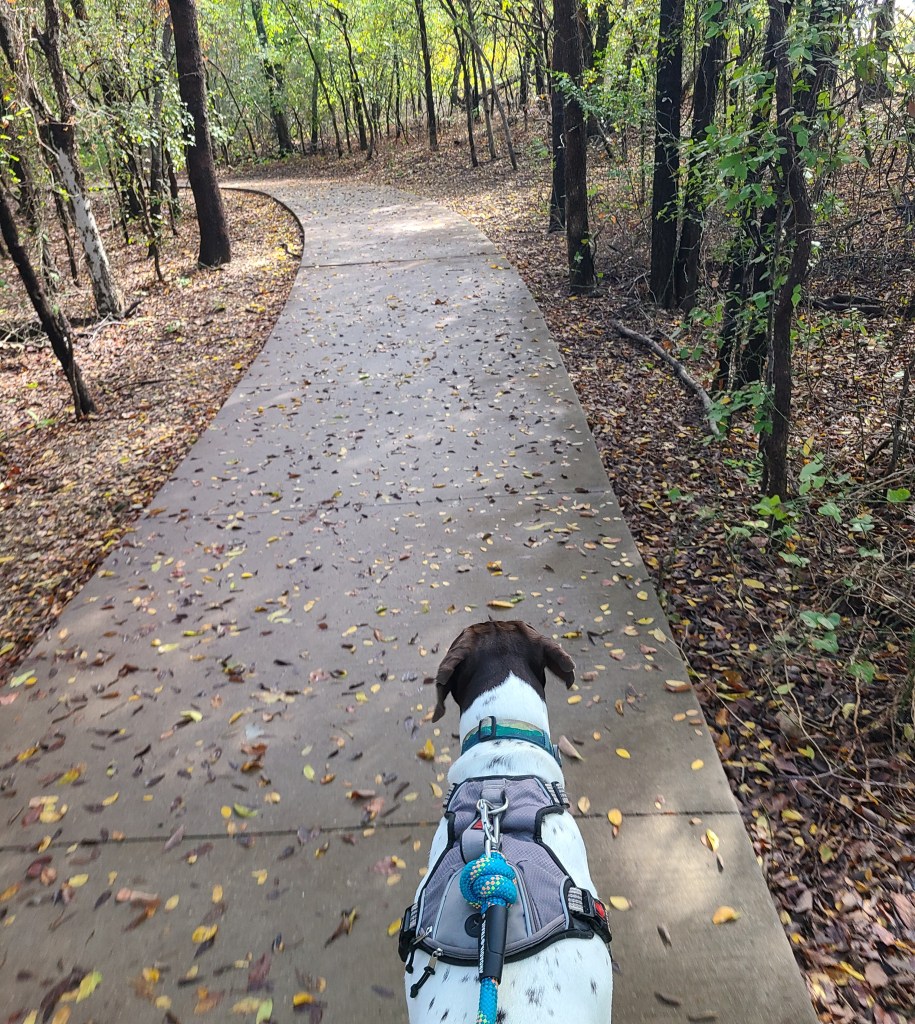
When I do these longer runs I normally go alone because I like to have my headphones in. I listen to audio books or podcasts so that I have something to keep my brain busy and I can just run. I sometimes take my dogs when the runs are closer to six miles, they are good company. The dog do not come when the runs are longer than this because they get bored or tired and I end up having to cut my run short. I would recommend finding something that you can listen to for an extended period of time so that you do not have to stop to skip or change songs.

I like to change up where I run and the conditions in which I run so that I am prepared for any type of race course, plus it also helps to not get bored while you are training. I like to use the app AllTrails to find trails in my area, the app also allows you to look at photos, lengths, and ratings left by others so you know what you are getting into. I try to find trails with varied distance, elevation gain, terrain, etc. This allows me to really challenge myself and get comfortable running in all conditions. I run in varied (safe) weather conditions for the same reason.

Recently I have been trying to find trails with a more difficult elevation gain so that uphill runs are not so hard for me. I have done a couple of races that had pretty steep uphill sections and they really had me wondering if I was gonna make it. I have been making progress, and now even when I run trails with little to no elevation gain it seems that much easier. I am becoming a fan of making the training a little more challenging than the race will be so that the race seems easier in comparison.

Finding the right clothing for runs was also a learning experience, there are a lot of clothing options to choose from. Just know that you do not need the latest and greatest most expensive things available to be a runner. You can use whatever you already have, and if you are looking to get something new or upgrade, it does not need to be name brand or cost hundreds of dollars. I have only a handful of running/exercise clothing that I use, some of which I got when signing up for races.

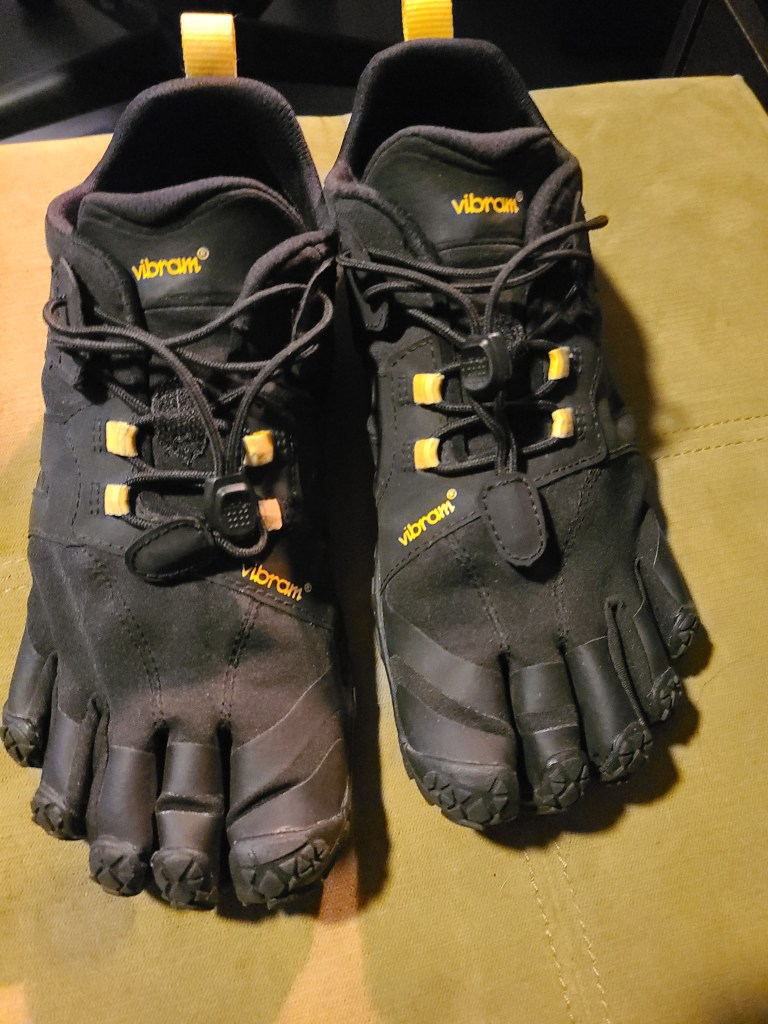
I have a few shirt, only one long sleeve, a few pairs of shorts, a couple pairs of legging, two pairs of shoes, some socks, and then weather accessories like a light jacket and a warm headband. The only thing I have spent a considerable amount of money on is shoes, and that is because in my opinion having the right shoes will make or break a running experience. It is really important to me to take care of my feet. I have one pair of light flexible mesh running shoes, and one pair of barefoot shoes. You know the ones with toes that look like a shoe/sock hybrid. I love them, they are comfortable, my feet do not hurt, and my foot and toes have a lot more natural range of motion. The one mistake I made with these shoes is not wearing socks with them the first long run, I got blisters and then immediately bought socks to go with those shoes. Since then, they have never let me down!
Before and after your runs you need to make sure you are getting adequate rest, recovery, and nutrition. Get in a good routine of planning out meals that are nutrient dense, and full of all the calories you expended. You need to replace the electrolytes, water, and everything else that you lost during your work out. I make sure to eat something high in fiber and fructose before I run like a banana, and often some nuts or seeds as well. After my run I load up on protein, good fats like avocado, and plenty of vegetables (my favorite is spinach). I also get my carbs in with brown or wild rice, quinoa, sweet potatoes, and beans!
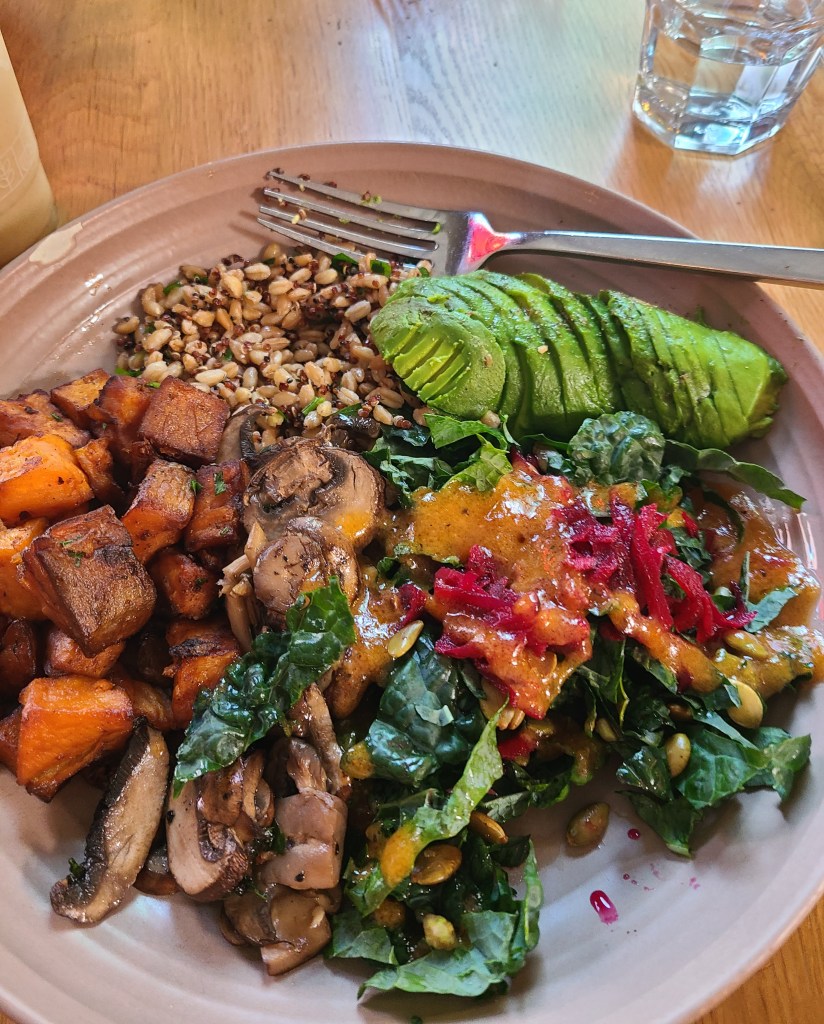
For recovery I stretch and use my foam roller, I also do yoga a few times a week to make sure I stay flexible and have a good range of mobility. A few months ago I started going to a local cryotherapy place and doing the whole body cryotherapy for three and half minutes. I also like to do their sauna service, and compression therapy for when I really need the extra recovery help. The most important thing you can do is hydrate and getting plenty of quality sleep. This more than anything else will help you to feel your best after a challenging run. \

Finding a good community of people to go on runs with or to ask questions and get tips from is a great idea. Go to your local running shop and just look around, talk to the employees. They very likely have community runs a few times a week that are beginner friendly and they can help you get where you want o be. These shops usually have a great selection of gear, reading material, and loads of resources and group activities for those just getting into the sport. It can be intimidating, but do not let that stop you, everyone starts at the beginning, and the people at that shop are no exception!

Finally, I would like to say that it is important to know your “why” when it comes to longer distance runs. What intrinsically motivates you? What extrinsically motivates you? These are important things to ask yourself before a long race. Knowing the answers to these questions is what will get you to that finish line. It’s what will get you through the longer training sessions, the cold or hot days, and the sore muscles. You have to know why you want to finish. Is it so you can feel proud of yourself? Is it because you told a friend you would? Is it because you are supporting a cause? Any of these reasons are fine as long as they are meaningful to you.

Thank you for reading and allowing me to share what I have learned. I hope there is something in here that was helpful to you and I wish you luck on your running journey! You totally got this!

Pursuit, Plants, Serenity.
Change Your Brain With Meditation

I started a meditation practice a few years ago during the COVID lock down. My (then boyfriend, now fiance) and I were sitting in a parking garage taking a break from riding around town on our Onewheels. While we sat there he turned on a live stream that Davey Havok had posted, I was partially listening and kind of playing around on my phone until I heard him start talking about meditation. I’m not sure what it was that he said that caught my attention, but I became laser focused. He mentioned that it had become a daily habit for him, and that he had really benefited from doing it. He mentioned the app that he used and at that time given the state of the world I was intrigued about the benefits he claimed.

I had never though too much about meditation, it sounded a little boring and pointless. It made me feel uncomfortable to even think about sitting totally still doing nothing but being alone and focused on my thoughts. At that time my thoughts were chaotic and anxious, nothing I wanted to sit with and give more attention to. I wanted to be distracted from these thoughts, my hope was that eventually they would go away. Now I know that the exact opposite happens, the more you try to push those types of thoughts out, the more frequent and frustrating they become.

When I first started my meditation practice it was difficult and I felt I was not doing it right. My expectation was that I would sit there and be still and quiet and then feel peaceful after a few minutes. I was wrong, it was hard to keep my eyes closed, and harder not to check the time every twenty seconds. I could not make my thoughts quiet down, or focus, or do any of the things that other people talked about when it came to meditation. So I did the thing I normally do and I read a lot of books about it and listened to some podcasts where scientists would talk about what happens to your brain when you have a meditation practice. What I found was that what I was experiencing was exactly what almost everyone else experiences when they first start.

I did not give up and I became comfortable with the discomfort, and better yet I became very patient with my brain. Now a few years later I am still far from perfect at it. I can however sit through the whole practice without opening my eyes, without getting frustrated, without feeling the need to check the clock or rush off to do something else. I do feel peaceful afterwards, and I am so glad I started and stayed with the practice.

So what actually happens to your brain during meditation? Meditation has been found to enable neuroplasticity by improving cognition, attention, and memory recall. Certain types of meditation have also been linked to lowering stress, lowering blood pressure, and even reduced risk of cardiovascular and cancer caused mortality. Those who practice regularly were shown to improve constructive thinking as well as creative thinking. Practicing meditation has also shown to improve overall life satisfaction, mood, quality of life and even help those who are afflicted with chronic stress, depression, and substance abuse. People report that both professional and personal relationships improved after adopting the practice.

Looking even closer at what happens, researchers have found that doing regular meditation increases gray matter in the brain. What does this mean? Coating the surface of most other brain structures is a thin and very important layer of tissue. This layer is called the Cerebral Cortex, the largest brain structure in humans. This tissue accounts for about two-thirds of the brains mass. This is where most information processing takes place and what is referred to as “gray matter”. Folds in the brain add to the surface area of the Cerebral Cortex, the more folds, the larger the brain and the greater the cognitive ability of that brain. Studies have found that thirty to forty five minutes of meditation daily leads to an increase in gray matter.

For me finding out about all of the potential benefits of meditation was enough to give it a try. I personally use the Headspace app and I can not say enough good things about it. After a few months of use I really started to be able to see the benefits in my life. I was less reactive to stressors that happened throughout my day. I noticed myself being more patient with myself and others, I was not so easily would up. Now I look forward to it first thing in the morning and in the evening before bed.

You do not have to pay for a subscription to be able to meditate daily, there are loads of guided meditations for free on YouTube. If you prefer non guided meditation you can always do your own research and start a practice on your own with no guides. There are different types of mediation practices such as Zen meditation, Yoga Nidra, calming, and insight meditation. All have unique benefits, and none of them are right or wrong, it is all about what works for you!

You may even find it helpful to read some books about mediation, or go to a class for your first time to see how the practice is structured. I really do not think there is any wrong way to start or do meditation, as long as you are seeing the benefits and it is leading you to a better quality of life. I will reiterate that it will likely be a challenge at first, and that is perfectly fine. Moving through challenging things is how we evolve and grow, so do not let that intimidate or stop you from trying!

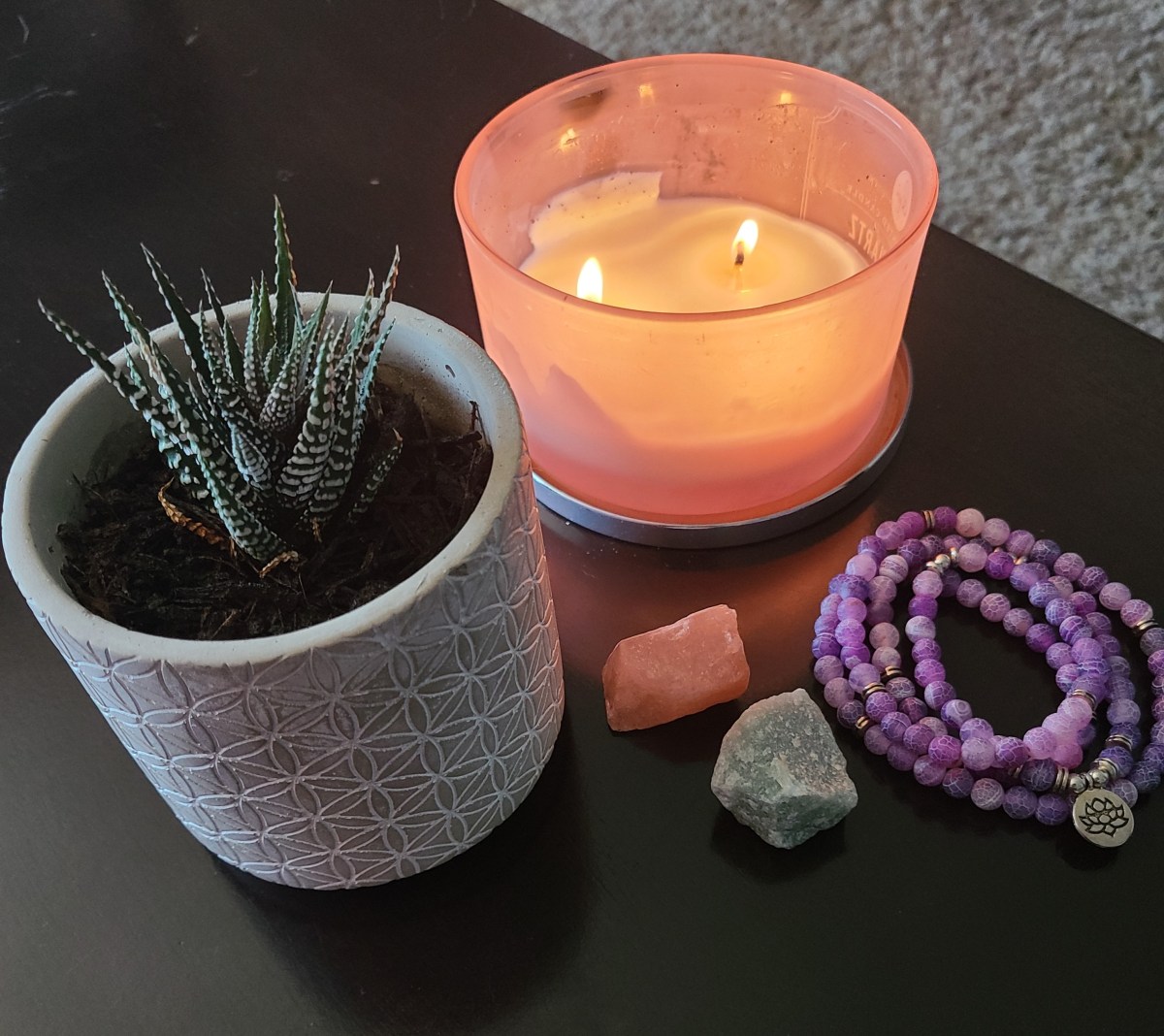
I would also like to go ahead and point out that you do not need a fancy mat or cushion from Target, or special beads, singing bowls, socks, or anything else to start a practice. Just you sitting on your bed, couch, or floor is absolutely acceptable. You can do it in clothes you already have and without any cute gadgets. Once you decide to stick with it, if you then want to purchase some items then that is totally up to you. Just do not let the Pinterest perfect aesthetic of meditation hold you up from starting.

Meditation is a great habit to add to your daily life and has incredible benefits for something so inexpensive and not too time consuming. Starting even with just five minutes is a big step in the right direction. Start and then build on that habit, and watch your day to day become calmer and more serene. I hope you find this habit as beneficial and life changing as I have. Thank you so much for reading along and if you have any comments or questions I would love to read them!

Pursuit, Plants, Serenity.
How To Be Happier

When we think of being happy, we may start daydreaming about what it might take to make us feel happy. We may think of a new job, new routine, new car, or even different hobbies. These external things and thoughts of a future we do not have yet will only get us so far. Most of us would only experience temporary happiness from getting new things or having a change of scenery. Long term happiness comes from something different, an internal shift. 

Happiness is something we choose everyday, it has to be intentional. Similar to any other goal we have, showing up and putting in the upfront work is what matters. Intentional happiness is like exercising a muscle, at first it may be uncomfortable, but after a while it starts to feel more natural. To achieve long term happiness we have to change our mindset to be more content, confident, and satisfied. Feeling happy with what you have is a very important place to start. Often this mindset is called gratitude, gratitude is realizing all the things you have that bring your life joy, comfort, and stability. Sometimes it can be hard to practice gratitude, especially when we are going through a challenging time. The important thing to remember is we have more control over our lives than we may think, whatever challenge we may be going through will eventually pass and get better. 

A lovely piece of wisdom I heard a couple years ago is taking a situation that on the surface looks bad, and probably even feels bad, and asking yourself “How is this the best thing that has ever happened to me?”. This question is an extreme take in the opposite direction of negativity. It is meant to be a question that really makes you think hard about what good could come out of a perceived bad situation. 

I do want to make it clear that I do not support repressing or ignoring your emotions. Emotions can be complicated and overwhelming. In my experience the best way to deal with big emotions is to acknowledge them, and then let them pass. Feel what you are feeling, and then let it go. The exercise mentioned above is a practice in not staying stuck in a negativity spiral, and is not meant to shove down any emotions you may be having. Instead it is giving you the opportunity to look at a situation through a different lens so that you can work through the problem at hand. 

You can also practice gratitude while still having the intention and motivation to make changes in your life. Gratitude does not mean that you have to stay in the same situation, or that you can not make changes for a better future. All it means is finding peace and serenity in the current moment. Having serenity in your current situation will allow you to have a clear head so that you can better evaluate the next right step. A good place to start with a gratitude practice is journaling. I enjoy writing a few things when I first wake up in the morning. Starting my day off this way sets the tone for having gratitude, patience, and positivity with any situation I encounter. I do not write any specific amount of things, I just jot down whatever comes to mind. Today the things I wrote down were “a storm I got to watch last night, my dogs, and my progress in learning a second language”. 

Another way you can incorporate gratitude into your life is acknowledging when you have a thought you do not like, and then out loud telling yourself a different story. All thoughts we have are really just stories we tell ourselves. Sometimes they aren’t even our own stories, they are stories that other people have told us. Thoughts like “traffic sucks, people don’t like me, I can’t achieve this goal” are all stories we think, most of which are probably not our original thoughts. So tell yourself a different story, take sitting in traffic as an opportunity to listen to an audio book. Think of three people that definitely like you, and assure yourself that you can absolutely accomplish this new goal. Those stories are far more likely to be true anyways. Change the narrative in your head and you will start to see your outlook on things change dramatically in a relatively short amount of time. 

The last piece of advice I have for you is to understand that certain things are outside of your control. This may sound simple, but it is really hard to put into practice. You do have control over your attitude, your mindset, what you eat, how you treat your body, and a lot of other things! You do not have control over other people, how they act, what they do, the weather, or what time of day it is. When something outside of your control happens, try hard not to let it weigh on you for too long. Take notice of the frustration or disappointment, and then understand that it is out of your control and let it go. Putting this into practice during your day to day will give you so much peace and serenity. As much as it may not feel like it sometimes, you do have more control than it seems, even if that control is just over how you respond to situations. 

Overall being happier takes practice just like anything else, and it will take effort to feel the change. The effort you put in is worth it, and will benefit you and your loved ones in the long term. Start small and implement some of the above listed exercises and see what differences you feel in a few weeks time. It may even be beneficial to journal about any changes you feel during this process. Keeping track of how you feel each time you respond in a new way to a situation could keep you motivated in this journey.

I hope this has been helpful and that you continue to find happiness in your life. 

Pursuit, Plants, Serenity.

Plan For A Healthy Week

Having a plan is the best way to stay on track with new goals. Planning out your week gives both peace of mind, and an easy to follow guide so that mid week distractions do not derail you from your goals. I tend to journal and write everything down to start with and then go from there. For me it allows for a flow of thought that more often than not clarifies my ideas so that I can tackle them easier. 

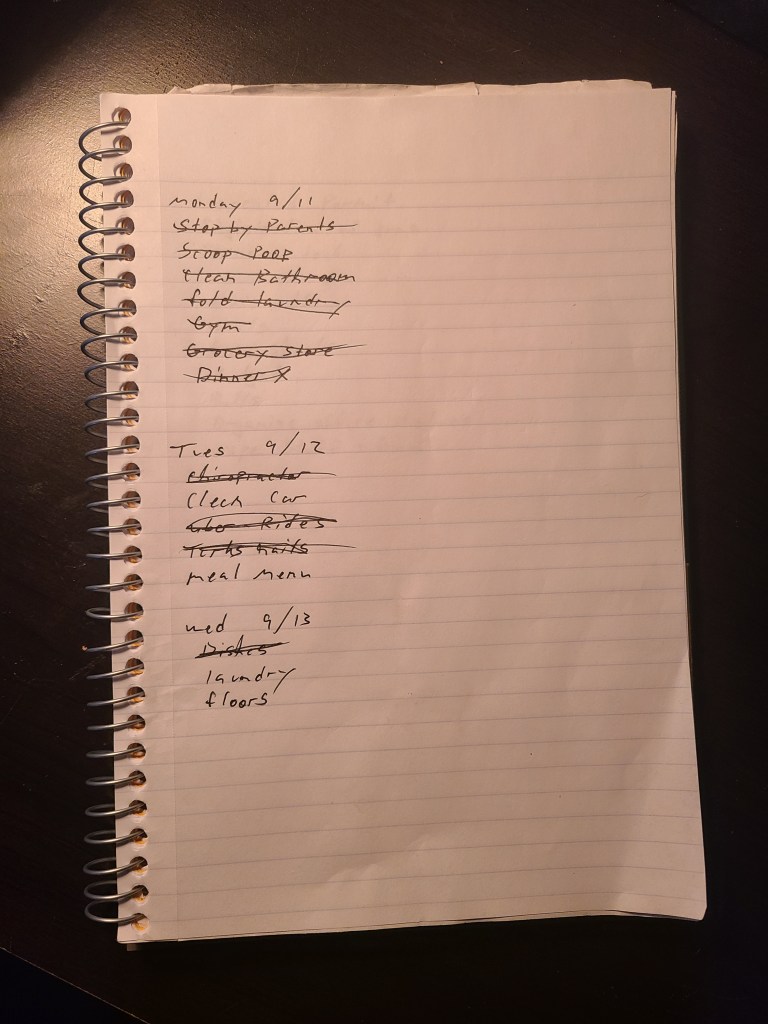
To start with I write down tasks immediately when I think of them, it has become a habit. I take out my phone and jot down in my notes app every little thing that comes to me. I think of this as my master list that I can pull from week to week when I am planning my days out. I start with my top priority things, or time sensitive tasks, and then work from there. For example:

  • Oil Change
  • Sign Up For Events
  • Pay Bills

These are all time sensitive things that must be done first, after that I add on the things that I need or want to get done that are not on a timeline necessarily.

I try not to give myself more than two or three tasks per day. For me two or three is manageable, everyone is different. 

After that I go to my journal and write out which tasks I want to get done on what days. This way I know that on Tuesday I am taking the dogs to get their nails trimmed. I do not have to think about when I am going to do that all week, I know when, and I can not be stressed about it or keep it in the back of my brain. 

The next thing I do is stick to my morning and evening routines. These routines do not have to be long or complicated. Make them easy, especially at first. In the morning just spend three minutes brain dumping into a journal, that will bring you so much peace I promise! In the evening spend fifteen minutes doing 5 minute tasks. That can be your routine, and that is a great routine. The more you stick to it, the more it will help and it will get easier. Once it starts to get easier you can add things or switch it up. I would say stick to a simple routine like this for at least six weeks and then you can add something. 

Another thing that will make starting a routine and having a weekly plan easier is knowing what your motivation is. Think about your “Why” and what you want the outcome to be. Are you trying to save time? Do you want to feel more on top of things? Are you trying to reach some big goals and just want structure? Whatever the motivation is, think about it everyday, remind yourself that the extra effort to plan and prep for the week will pay off. Eventually you will feel the mental burden growing smaller and smaller because you are not trying to keep five thousand things in your brain. In my opinion brains are for ideas, and they are not a calendar or a filing cabinet. That is another reason I write everything down. My brain has space to breathe! 

Once you have your list and your motive it’s time to keep the energy moving forward. After each task cross it off, delete it, or check mark it. Doing this makes you feel accomplished and lets your brain know that we totally did the thing! For me, I really get the most motivation after I have had a few wins. Accomplishing something is the best way to ensure you will keep going with it. The more we accomplish, the more motivation we have to continue and to put more effort into it. 

I thought I would include some things that I do every week to help give an idea of where to start if this is your first time setting a weekly schedule. 

Meal Planning and Prepping 

Every week I sit down and meal plan, I get ideas off of pinterest or my cookbooks. Then I go through the kitchen and make a grocery list. I put down things we are out of, things we are almost out of, and things that I need to make meals for that week. When I go grocery shopping I am very serious about sticking to my list, I really try hard not to browse the isles or get things I did not plan on getting. This helps my grocery bill and prevents us from ordering take out all the time. I used to think meal planning was overwhelming but the more I do it the easier it gets. We actually have fun coming up with meal ideas now. 

Then I do my best to prepare the food if necessary. I make my lunches the night before, and most of the time they are leftovers from dinner. I also make large meals that can last multiple nights so that we do not have to cook every single night. 

Workouts

We go to the gym Monday – Thursday, and I always know what workout I will be doing while we are there. I have days where I lift weights and days where I only run or swim. No matter what, I never go to the gym without a plan. Planning my workouts in advance allows for a seamless exercise routine where I can just walk in and start. I do not have to think about what I am doing while I am there or get frustrated and just give up in the middle of a workout. It also helps me keep track of exercises so that my workouts are balanced throughout the week and I can make sure I am hitting all my goals!

Chores

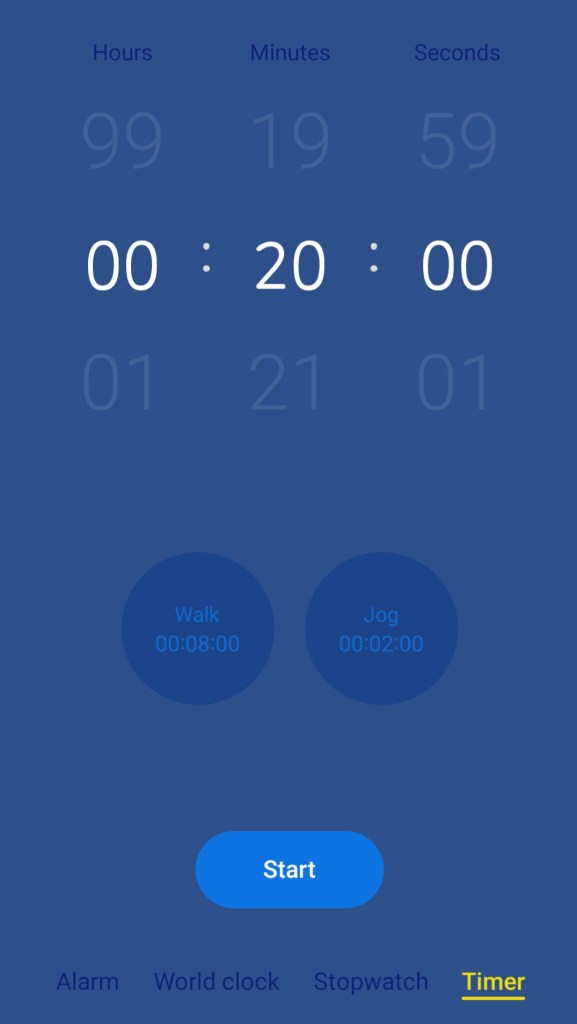
I am a little more relaxed on my chore planning, I do not have certain days for specific chores. What I do is use a timer and set it for twenty minutes. It is difficult for me to stay on task for longer than that most of the time and I also get restless so this helps! For twenty minutes I will clean whatever I can, then when the timer goes off I do something else that I want to do for the next twenty minutes. It does take longer this way but I get through my chore list. So if that week I have “clean my car” “wash the couch blankets” and “replant the Philodendron” on my chore list, then I can do as much of that as I can for twenty minutes and then have a little break. It keeps my brain interested because I am switching tasks every now and then. So after twenty minutes of cleaning I go and read, or play video games, or play with my dogs for twenty minutes. It works very well for me!

I have become very fond of my routines and weekly planning methods. I continue to update and refine them to be more productive and easier for me as life changes. I think the biggest part is just the willingness to put the time in upfront so that your week can go smoother. I truly hope that this helps in your weekly planning and meeting any goals you are working towards. 

Health, Happiness, Plants.

How To Start Living Your Dream Life

One of the most important things I have learned is how to start actually making progress on your dreams. Over the last five years my life has changed so much in a very positive way. It has been scary, and I won’t lie, the first few years I really fought against the change that I wanted. I know that sounds weird, but it’s true. I think this happens to a lot of people, and for me it was because I was afraid of the change. Even though I was not happy, I was comfortable being unhappy and any change, even change I wanted was scary. 

Finally I realized that to make positive change I was going to have to just embrace the unknown and take chances. I finally got tired of not living the life I wanted and started making some serious changes. I am not saying that things are perfect now, what I am saying is that I am moving in the right direction and making progress everyday. I am happy with my life and the direction that it’s heading in. Here is what I did to get to this point:

Stop Playing The Comparison Game

Comparing your life to the lives of other people is the best way to suck the joy right out of yourself. This does not mean that you can not look to others for inspiration, or admire the journey of someone else. It does mean you should stop there, do not pass inspiration and admiration and skip on over to jealousy and hopelessness. When you start comparing your life to other peoples it is a slippery slope into a bad mindset. “Why can’t I have that?” “I’ll never be that successful.” “They are so lucky, my life just isn’t like that.” “I try, but I don’t have what they have.” These are the types of thoughts you need to squash immediately, they will keep you exactly where you are. If you find yourself having thoughts like these, stop and switch it up, think to yourself a more positive thought. “My goal is to have that in two years.” “I should ask this person how they achieved this.” “What can I do to have something similar in six months?” It is so important not to drown out your journey but paying too much attention to what everyone else has going on. 

Stop Making Excuses

All of us could think of a thousand reasons not to make that next move or start a new project. The best thing you can do is not listen to those voices in your head telling you to delay it, or that you will start next week, this weekend, or tomorrow. Do it now, right now, start it. Even if all you can do right now is a five minutes of scripting, setting up an account, or practicing your art style, anything is better than putting it off another day! I personally would make excuses because I convinced myself that my new project would not work unless the circumstances were perfect. Well, it turns out that they will never be perfect, you have to start somewhere and that place is here and now!

Do Research 

Now don’t use this as a procrastination tool, spending five weeks researching and never starting is also not the answer. Plan your research, and be very specific. Make a list of things you need to research, make sure it is not vague. Things like “Look up how to start a podcast” are too broad and will not be super helpful. Narrow it down to things such as “Podcast hosting sites” and “Audio editing programs”. These specific searches will give you much better information, and help not immediately get overwhelmed so you can start really learning! Research is great as long as it is beneficial to your goal. Once it starts to be a distraction or overwhelm you it is no longer helpful. Figure out where to start and then just start! Avoid trying to figure out steps one through a hundred all in one research session. Figure out steps one through three and then take action. 

Identify As Someone That Does What You Want To Do

This one is in my opinion the best tip I have, and the best thing I have learned. Have you ever asked for advice or thought about your goal and then followed that up with telling yourself you are not a person that does (said thing)? You are not alone! I think we have all done this at one point, and it is a dream killer. If you want to write a book but think you are not a writer, then identify as someone who writes and start writing a little every day! If you want to be a runner but get discouraged because you have yet to run, then go out, jog up your street, and then tell yourself you are a runner and start a routine! This has worked so well for me that it is honestly shocking. So many times I would stand in my own way by telling myself I could not do something because I had not done it. Looking back it is very silly. You will never be a reader if you don’t start reading. Once you get through that first book though, boom, you are a reader!

Consistency 

Some goals can be achieved by just doing something one time, but not most. Showing up everyday and continuing to make progress is how we truly reach our goals. If you want to leg press 180 lbs, chances are you will have to practice leg press more than once. If you make time to work at your skill, and learn, make mistakes, get better over time, then you will start to see some major improvement. Going to the gym and using the leg press machine two times and then skipping for five weeks is not going to get you to that 180 lbs goal. Going three times a week for eight weeks straight will get you to that goal much faster! This is not easy, and it will take mental fortitude but it is so worth it. There will be days that it feels impossible and you will want to make any excuse not to show up, push through that and I promise you won’t regret it. 

Do It Alone

Other people will not always want to come with you on your journey. Do not let that stop you from pursuing something you want to do. If you want to go rock climbing and none of your friends do, then go alone. You will make new friends at the rock climbing gym, and it will be so fun. This can be said for anything. Found a passion in sewing? Do it alone, go get some fabric and maybe attend a library sewing class. This gives you the opportunity to judge if this new hobby or goal is something you really want to do. If you can do it alone, then you actually want to do it. If not then maybe you should reconsider if it is something you want to give your time and energy to. You also get the chance to meet new people, make new friends, or spend some time with yourself! Either way do not let the fear or anxiety of doing something alone be the reason you don’t try. 

Whatever your next project or goal is, I hope these tips are helpful to you. If you would like to comment what your goal is I would love to hear it! I am always inspired by hearing what others are working on. I wish you nothing but success on your own journey. Stay motivated, and remember everyone starts in the same place, at the beginning. There is no shame in being new to something, or in trying it for the first time. 

Give yourself grace and space to learn.

Mindfully De-cluttering Your Space

Last summer I started my de-cluttering journey and I have learned a lot about the process. At first I was just trying to get rid of obvious trash and broken items. Over a year later here I am still downsizing and purging even more!

The big difference between now and then, is that now I understand the mental peace that truly comes with having less clutter surrounding you. I have changed my shopping habits as well as my rules for what is actually granted access into my home.

Prior to starting this process I would not give much thought to where in my home the things I bought would go. I would just impulsively buy items that I thought I would like to have, and then they would get put somewhere they ultimately did not belong. Quickly it seemed that shelves, desks, cabinets, and even under the bed storage was filling up. When we decided to move, it seemed like the perfect time to address the ever growing amount of things in our home.

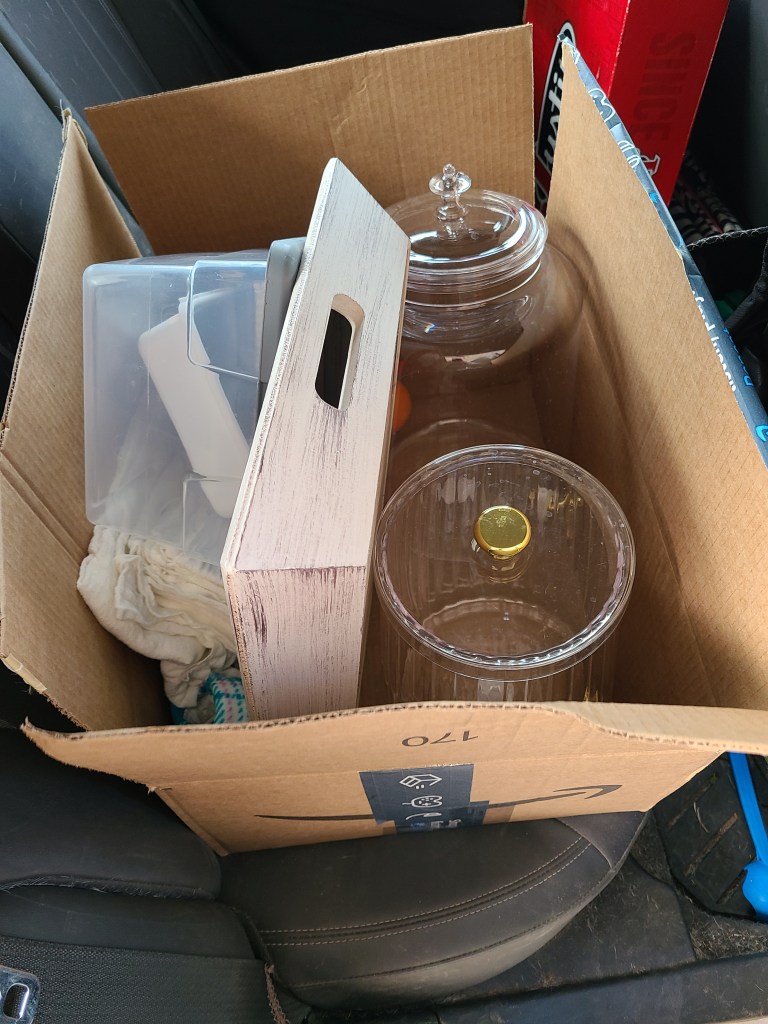
I started with items that were broken, or stuff we had that never got used. Some examples are picture frames, a waffle maker, clothing that was beyond repair, and a lot of dog toys that had been chewed to bits.

After we got past all of that stuff, we started to notice a difference in how our home felt, and we were motivated! We went room by room and started to discuss every item we had. We looked at every piece of clothing, every cup in the cabinets, and every pen in the drawers, and after that we kept going!

By this point it was very apparent that a lot of things had been removed from the home. Some shelves were completely empty, and we even got rid of a lot of our furniture. Little bins and rolling organizers were no longer needed because we had purged all of the contents in them. This felt very liberating and gave us a lot of serenity, but we still had not actively made the decision to be more mindful, we had just made the decision to get rid of things.

After we had moved and got more settled, we talked about how nice it felt to have less to take care of. We had to clean and dust less, less of our things ended up broken or misplaced. We had more room to move around and enjoy our home. This is when we talked about our relationship to our possessions.

Looking back, I could not even tell you all of the things we got rid of, I truly do not remember most of the items we chose to give away, or had to put in the trash. We realized that if we chose to keep something in our home, it should be for good reason. Going forward we started asking questions. Does this item mean something to me? Do I use it often or at all? Does it serve a purpose or is it something that just takes up space?

Now I would not say that I am a minimalist necessarily. I do have some things that I keep as memorabilia, I do Sometimes get souvenirs when vacationing, and I do still have things that I keep because I just like them. I do think more mindfully about the impact of those items now, and I understand that if I buy something, it means that it will take up space in my home, and I will have to take care of it.

Almost all of my possessions now are very meaningful to me, I know where they are, and where they came from. I find myself buying a lot less at the store or online because I am happy with the things I have. I have learned to repair things that break, and how to better maintain them. When I make a purchase I think about it for a while before I buy, I tend not to impulse buy much anymore.

This whole experience has allowed me to be more grateful for what I have, and taught me that my house full of stuff was not making me happy, it was making me stressed.

I now avoid free goody bags at festivals, and SWAG at events or businesses. I love the peacefulness of a home that has cleared surfaces and drawers that are not filled to the brim.

I would like to end this by saying that when all of this started we were not hoarders, and our home was not dirty or unable to be walked through. It looked like any other home, we were living in a two bedroom apartment that had a detached garage. It was not until we had to pack up all of our things that we truly started understanding how much we really had. It was way more stuff than what we think two people need.

If you are interested by the idea of downsizing, or maybe even just doing a little purge, I would suggest starting by asking yourself what you think you could be happy without. For us it turns out we do not need much to be happy, and our home has never felt so peaceful.

10 Happy Healthy Morning Habits

Morning routine, Habits, Morning.
Morning Brew


Having a morning routine that wakes you up and makes you feel energized is so so important. I have spent the better part of two years tweaking and adjusting mine to fit all my needs.

I hope that seeing what I do will help you to create a routine that makes you excited to wake up in the morning. These are my ten habits that make my mornings happier and keep me feeling healthy!


1) Tell my house good morning.
A house at night should feel different than a house in the morning. In the morning I always open my blinds/curtains to let all that natural light in, it really helps me to wake up. I also tell my partner and our dogs good morning and give them all a hug and kiss. For the darker parts of my house where the sunlight can not get in due to lack of windows, I have put Phillips hue bulbs and I set them to a “morning light” setting. It is important that your house not look like a dark cave in the morning, or you will find yourself wanting to go back to sleep.


2) Drink a glass of water.
It does not have to be the largest cup your own. Just get some water down first thing in the morning. Drinking water in the morning helps to wake you up, get your digestive system working, give you some energy, and helps you feel fresh for the day!


3) Stretch and get some exercise.
I do a short yoga circuit in the morning to get my body moving. This helps with mobility and decreases the chances of injury and stiffness during the day. It does not have to be yoga, you can do some basic stretches that you know, or look some up. Get your body moving for 5 – 10 minutes and you will feel noticeably better the whole day.


4) Have a healthy breakfast.
Giving your body the nutrients and calories it needs to perform throughout the day is arguably the most important thing to do. Pay attention to what you put in your body. Try to aim for foods that will give you energy and not lead to lethargy. Two of my favorites are smoothies, and scrambles. Smoothies are so diverse and light, you can really put anything in them. Plus they are portable! Scrambles are also great for mixing it up, you can throw all kinds of vegetables, tofu, and sauce in there and boom! You got yourself a nice healthy breakfast.


5) Meditate.
I have starting meditating multiple times a day this year, it has done wonders! Meditation can be hard at first, I would recommend finding a guided meditation to start with. Having a guide and something to listen to is going to be so much easier than if you try to sit in complete silence for ten minutes. Trust me!


6) Read and write.
I have three little daily readers that I use in the morning. Each has a short passage for every single day. All of them are uplifting and positive and have a quote or question to think about through the day. I highly recommend getting at least one daily reader to give you something to think about in the morning other than your to-do list.


7) Morning hygiene.
Everyone has a different self care routine for the morning, mine is pretty short and simple. I wash my face, braid my hair, put on some lotion and deodorant, brush my teeth and that’s it! Even on the weekends, or days when I am not going anywhere I at least do these things. Getting yourself ready in the morning makes it a lot more likely that you will have the day you want and not couch potato all day.


8) Get Outside.
Fresh air and some sun is basically magic. A short walk up and down your street will get your blood moving and give you some endorphins. I prefer taking my dogs when possible, sometimes I walk them, other times I set up the joring equipment and take them on a bike ride.


9) Vitamins and natural energy boosters.
I take a daily multivitamin and also a daily natural energy boosting vitamin. Recently I have starting putting a natural energy mix in with my protein smoothies as well. It is all plant based and organic, and it is what works for my body. If you are not a protein smoothie kind of person then a good daily multivitamin is what I would recommend.


10) Daily plan.
Okay, so this is the part where you have to have some self control. Plan your day out, every part! Even if part of the plan is that from 4pm – 6pm you have free time to do whatever, put it in the plan. If you have a to-do list, make time to get three to six of those things checked off the list. Cooking? Schedule it. Chores? Schedule it. Relax time? Schedule it! Put every single thing on the schedule and follow it. This is the best way to ensure that you will not be just floating through your day.