Embracing Change: Navigating Disappointment and Managing Expectations

Life rarely goes exactly as planned. Whether it’s a canceled event, a missed opportunity, or an unexpected twist, disappointment is an inevitable part of the human experience. But what if we could learn to navigate these moments with grace and even find peace in the process? This blog post explores how to manage expectations, embrace change, and turn disappointment into an opportunity for growth.

The Problem with Rigid Expectations

We’ve all been there – you’ve been looking forward to something for weeks, only for it to fall apart at the last minute. Maybe the weather ruined your outdoor plans, or a work deadline forced you to cancel a much needed getaway. In those moments it’s easy to feel frustrated, angry, or even defeated. But often, the root of our disappointment lies in the expectations we’ve set for ourselves or others.

When we visualize exactly how something should go, we create a mental box that limits our ability to adapt. For example, you might imagine a perfect day at the beach, sunny skies, calm waves, and a picnic with friends. If it rains, or if traffic delays your arrival, the entire experience feels ruined. The truth is, the day could still be enjoyable if we let go of our rigid expectations and embrace what’s actually happening.

Why Expectations Can Hold Us Back

Expectations aren’t inherently bad, they help us set goals and plan for the future. But when they become too narrow or unrealistic, they can do more harm than good. Here’s how:

They Limit Our Ability to Adapt: When we’re fixated on a specific outcome, we’re less open to alternative possibilities. This can prevent us from making the most of a situation, even when it’s not what we originally envisioned.

They Create Unnecessary Stress: Putting too much pressure on ourselves to meet certain expectations can lead to anxiety and frustration. For example, stressing over being “on time” for an event when no one else is even keeping track.

They Blind Us to Opportunities: Sometimes, what we want comes to us in a different form than we expected. If we’re too focused on the “packaging,” we might miss out on something truly valuable.

How to Manage Expectations

The good news is that managing expectations is a skill you can develop. Here are some strategies to help you navigate disappointment and embrace change:

1. Practice Being Present

One of the most effective ways to manage expectations is to focus on the present moment. Instead of imagining how something should go, try to take things at face value. This doesn’t mean you can’t plan or look forward to things, it just means you’re open to whatever unfolds.

For example, if you’re attending a social event, resist the urge to predict how it will go. Instead, focus on enjoying the people around you and the experience as it happens. You might be surprised by how much more enjoyable it becomes when you’re not constantly comparing it to your expectations.

2. Let Go of Perfection

Perfection is an illusion, and chasing it only sets us up for disappointment. Instead of striving for the “perfect” outcome, aim for “good enough.” This mindset shift can help you appreciate the small wins and find joy in imperfection.

For instance, if your outfit isn’t exactly what you planned to wear, remind yourself that it’s not the end of the world. Wear something that makes you feel comfortable and confident, and let go of the idea that everything has to be perfect.

3. Re-frame Disappointment as Opportunity

When things don’t go as planned, it’s natural to feel disappointed. But what if you could see these moments as opportunities for growth? For example, a canceled trip might give you the chance to rest and recharge at home. A missed deadline could be a reminder to prioritize self-care and set more realistic goals.

By re-framing disappointment, you can turn a negative experience into a positive one. This doesn’t mean you have to be happy about every setback, it just means you’re choosing to focus on the silver lining.

4. Limit Unnecessary Expectations

Not every situation requires expectations. For example, you don’t need to put pressure on yourself to have the “perfect” day or the “perfect” relationship. Instead, try to approach life with curiosity and openness.

Ask yourself: Why am I setting this expectation? Is it because I’m trying to uphold an image? Or because I’m afraid of disappointing others? Often, the expectations we place on ourselves are unnecessary and only serve to stress us out.

5. Embrace Flexibility

Life is unpredictable, and the more flexible you can be, the easier it will be to navigate change. This doesn’t mean you have to give up on your goals or stop planning altogether—it just means you’re willing to adapt when things don’t go as planned.

For example, if you’re running late for an event, remind yourself that it’s not the end of the world. Focus on what you can control, like staying calm and making the most of the time you have.

The Benefits of Letting Go

When you let go of rigid expectations, you open yourself up to new possibilities. You might find that you’re more open to trying new things, meeting new people, or exploring new opportunities. You’ll also likely feel less stressed and more at peace with whatever life throws your way.

If you’re starting a new business or pursuing a personal goal, try to let go of the idea that everything has to happen on a specific timeline. Instead, focus on making progress and enjoying the journey. You might find that the process becomes more enjoyable (and even more successful) when you’re not putting unnecessary pressure on yourself.

Managing expectations and navigating disappointment isn’t always easy, but it’s a skill worth developing. The next time you find yourself feeling frustrated or disappointed, take a moment to reflect on the expectations you’ve set. Are they realistic? Are they necessary? And most importantly, are they serving you?

Try to approach life with curiosity, openness, and flexibility. Let go of the need for everything to be perfect, and embrace the beauty of imperfection. You might be surprised by how much more enjoyable and fulfilling life becomes when you’re not constantly chasing an idealized version of it.

So, the next time a wrench gets thrown in your plans, take a deep breath and remind yourself that it’s not the end of the world. Instead, see it as an opportunity to practice resilience, adaptability, and self-compassion. After all, life is a journey and sometimes, the detours are the most rewarding parts.

Nurturing Your Creative Spirit: The Importance of Play in Artistry

Have you ever sat down to create—whether it’s painting, writing, or making music—and felt that heavy pressure to produce something extraordinary? You might feel that every session needs to result in a masterpiece. I’ve been there myself, many times. Self-doubt can creep in, making you question your abilities and even your worth as a creative person. If you relate, know that you’re not alone. But what if the key to thriving creatively isn’t striving for perfection every time, but nurturing your creative side through play and experimentation? If you’re someone who values personal growth, enjoys activities like journaling, active movement, meditation, or simply seeks a deeper sense of connection—approaching creativity as nourishment may transform not only your skills but also your confidence and sense of joy.

Why Self-Doubt Holds Us Back

Self-doubt is a familiar companion for anyone engaged in creative work. That inner critic often whispers that you must always strive for the best, or that anything less than brilliant isn’t worth doing. Over time, this mindset starves your creative spirit. You may begin to feel blocked, uninspired, or even question whether you’re truly the “creative type.” But being creative isn’t about making perfect things every time. It’s about engaging with activities that make your heart happy, regardless of the outcome. Even the world’s most renowned artists and musicians, like Frank Sinatra or Pablo Picasso, produced thousands of works—most of which never became famous. What they did, consistently, was create. They played, they experimented, and they fed their creative souls.

The Pressure to Be Perfect

Constantly striving for perfection sets the bar unrealistically high. If every creative attempt needs to be a work of genius, the fear of failure will keep you from even starting. This mindset can make you feel stuck, and can chip away at your self-esteem and overall well-being. You don’t need to be good at making music to enjoy making music. You don’t need to be a professional artist to delight in art. The pressure to always perform at your best steals the fun, the playfulness, and the nourishment creativity can offer.

Embrace Play in Your Creative Practice

Feeding your creative spirit means giving yourself permission to make things just because they feel good. Not everything you create needs to serve a purpose or meet a high standard. Sometimes, the most valuable part of the creative process is what it gives you: freedom, joy, and a stronger sense of self. You build confidence, resilience, and connection with your authentic self when you allow your creative practice to include play and exploration.

5 Strategies to Nurture Your Creative Confidence

Here are actionable steps to help you overcome self-doubt, nourish your creativity, and foster greater self-esteem through playful artistry:

1. Set Aside Time for “Just for Fun” Creation – Allocate a block of time each week to create with no expectations. Allow yourself to doodle, write nonsense, play random notes, or try a new medium. Focus on the experience, not the result.

2. Embrace Imperfection – Remind yourself that not every attempt needs to be a hit. Look at your idols: their careers are filled with experiments, drafts, and non-masterpieces. Let go of the need for each piece to be impressive.

3. Lower the Stakes – Start creative sessions with simple warm-ups: scribble lines on paper, write a few freestyle sentences, or strum your instrument without aiming to play a song. These warm-ups remove pressure and open the door for creative juices to just flow.

4. Make Creativity Routine, Not Rare – Integrate small acts of creativity into your daily life. Even when you’re not aiming to produce finished work, you’re refueling your creative tank. The more you create, the more ideas and confidence you generate.

5. Celebrate the Act of Creating – Acknowledge your efforts, no matter the outcome. Treat each creation, whether you love it or not, as a building block for your growth. Remember that every step forward is progress, even if it feels small.

Giving Yourself Permission to Play

If you only create when trying to achieve perfection, you miss out on the joys and surprises that come from playful exploration. Creation can be a source of nourishment, fueling your well-being, building your confidence, and connecting you more deeply to yourself and, ultimately, to others. When you drop the need for every project to be a grand achievement, you find freedom. You begin to see that the act of making—not the outcome—is what strengthens you, brings you confidence, and yields the greatest rewards.

Let Go of Perfectionism

Perfectionism blocks action. Each time you tell yourself that what you’ve made isn’t good enough, you reinforce the walls of self-doubt. Instead, allow yourself to create “bad” art, to write messy first drafts, to make noise instead of music. Through this practice, you build resilience, discover new ideas, and find joy in the process. Every effort you make is valuable, not because of how others judge it, but because it feeds your spirit. Purposeful play in creativity isn’t just for artists—it serves anyone who wants more confidence, health, and connection.

Your Creative Journey

You don’t have to be a master to benefit from creativity. Feeding your creative side is about more than producing masterpieces. It’s about tending to your own well-being, building confidence, and giving yourself space to grow. Release yourself from the burden of perfection. Start by taking small, low pressure steps. Allow yourself to make things “just because.” Over time, you’ll find that your creativity, and your confidence grows.

Starting today, commit to one playful creative act this week. Doodle with your favorite pen, scribble in your journal, or mold a new clay piece. Let the process fuel your growth. You’ll be amazed at the clarity and weightlessness it brings, not just to your creative life, but to every part of your personal trajectory. Embrace the freedom of imperfection. Feed your creative spirit. Your best, most authentic work begins when you simply allow yourself to start.

Embracing Mindfulness: An Introduction to Meditation

Have you ever felt the weight of self-doubt holding you back? You’re not alone. Many of us grapple with the fear of not doing things “right,” especially when it comes to new practices like meditation. 🤔 I remember my first attempt at meditating; I was filled with uncertainty and nervousness. I questioned whether I was doing it correctly and worried about feeling bored or missing the point entirely. But through this journey, I’ve discovered that meditation is not about perfection—it’s about finding what works for you. 🌟

Overcoming Self-Doubt with Meditation
🧘‍♀️

Identifying the Problem

Self-doubt can be a significant barrier to personal growth. It often manifests as anxiety, a scattered mind, or an overwhelming sense of being unable to focus. These feelings can prevent you from fully engaging in activities that promote well-being, like meditation.

Finding the Solution

Meditation has been a transformative tool in overcoming these challenges. Here are some strategies that have helped me, and they might just work for you too:

1. Start Small: Begin with just 5 to 10 minutes a day. This manageable time frame makes it easier to incorporate meditation into your routine without feeling overwhelmed.

2. Use Guided Meditations: Apps like Headspace offer guided sessions that can help you navigate the initial discomfort and uncertainty. These sessions provide structure and support, making it easier to stay focused.

3. Embrace Personalization: Remember, there’s no “right” way to meditate. It’s a personal practice that should feel good for you. Experiment with different techniques until you find what resonates.

4. Practice Patience: Be gentle with yourself. Meditation is a journey, not a destination. Allow yourself the grace to learn and grow at your own pace.

5. Connect Mind and Body: Focus on the connection between your mind and body. This awareness can help you function better throughout the day, reducing anxiety and improving concentration.

The Benefits of Meditation 🌞

Through consistent practice, I’ve experienced numerous benefits that have enhanced my daily life:

Reduced Anxiety: Meditation has helped me manage anxiety by allowing me to acknowledge my thoughts without judgment. This acceptance makes it easier to let go of negative thoughts and move forward.

Improved Focus: By taking a few moments to breathe deeply and connect with my surroundings, I’ve found it easier to concentrate on tasks without feeling overwhelmed.

Enhanced Mindfulness: Meditation has taught me to be present in the moment, whether I’m enjoying a meal, spending time with loved ones, or simply taking a walk. This mindfulness has brought a sense of peace and serenity to my life.

Integrating Mindfulness into Daily Life

Mindfulness extends beyond meditation. It’s about being fully present and aware of the current moment without self-judgment. Here are some ways to incorporate mindfulness into your daily routine:

1. Observe Your Surroundings: Take a moment to notice the sounds, sights, and sensations around you. This practice can ground you in the present and reduce stress.

2. Acknowledge Your Feelings: Instead of resisting your emotions, allow yourself to experience them. Recognize when you’re feeling tense or anxious, and take steps to relax.

3. Practice Self-Compassion: Be kind to yourself. Accept your thoughts and feelings as they are, without labeling them as good or bad. This self-compassion can lead to greater peace and self-acceptance.

4. Focus on the Present: When your mind starts to wander, gently bring your focus back to the task at hand. This practice can help you stay engaged and reduce feelings of overwhelm.

Conclusion

Meditation and mindfulness have become integral parts of my life, helping me overcome self-doubt and fostering a deeper connection with myself and those around me. If you’re looking to build confidence, improve your mental health, and enhance your overall well-being, I encourage you to give these strategies a try.

Start small, be patient, and remember that there’s no right or wrong way to meditate. Embrace the journey, and you’ll likely find that meditation becomes one of your favorite parts of the day, bringing you immense peace and joy.

Take the first step today, and see how meditation can transform your life.

As always thank you for reading, and I hope this gives you the confidence to begin a meditation and mindfulness practice of your own.

Caelin Plants 💚

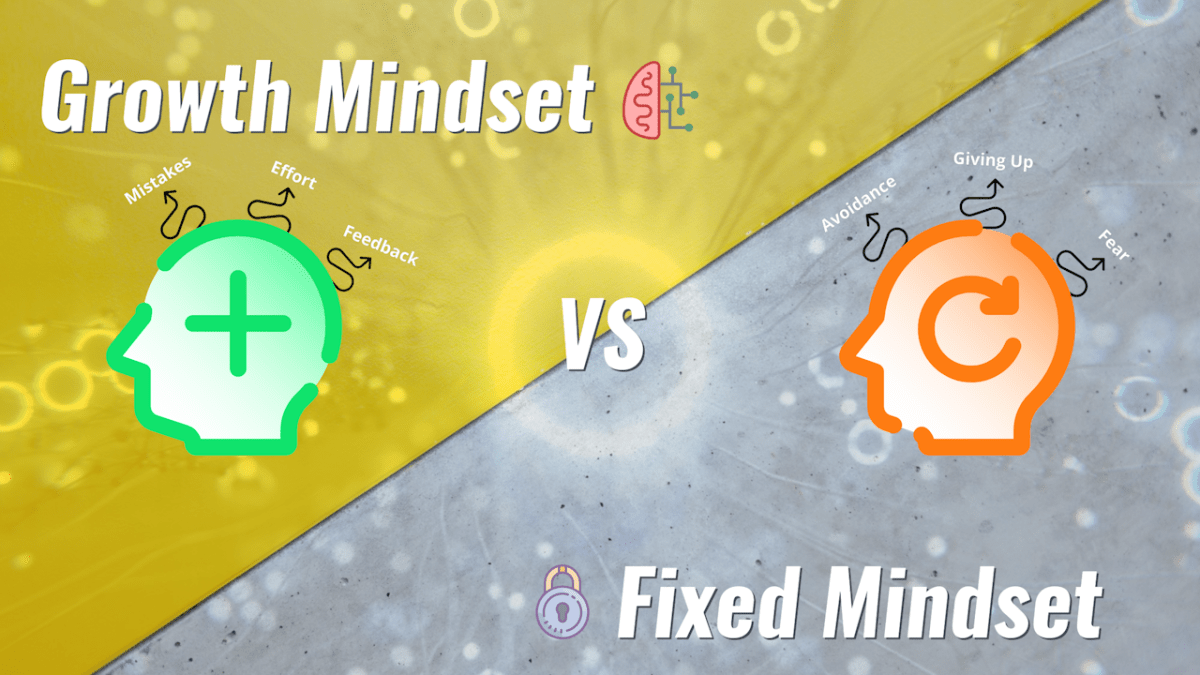
Growth Mindset VS Fixed Mindset

What is mindset? 🧠

Mindset is a set of beliefs and assumptions about yourself, your life, and the world around you.

Basically mindset is how you perceive everything that is going on around you in your life. Most importantly mindsets can be changed, this is good news because our mindset influences everything you do. That includes your habits, your reactions, and your success with goals.

Stanford psychologist Carol Dweck identified two different types of mindsets, a fixed mindset and a growth mindset. A fixed mindset is the belief that your abilities and fixed traits cannot be changed or altered. A growth mindset is the belief that your talents and abilities can change and develop over time through effort and persistence.

If you are looking to achieve a growth mindset then hopefully that means you believe you can change your mindset and habits (which is true!), so let’s talk about how we can do that.

Building a growth mindset does not happen over night, it takes time and commitment to change the way we think. It will not be linear growth, so be patient with yourself and remember you can always change your habits, and the way we think is a habit!

8 tips on how to achieve a growth mindset: ⬇⬇⬇👀

1.) Start viewing challenges as opportunities to grow 📈

Challenges are always a great time to learn and grow from what you are going through. A new challenge can be scary, but after you face that fear it passes rather quickly. The only way past is through, and on the other side of it is everything you want. It won’t be as scary after you do it a few times.

2.) If you are not failing you are not learning 🚦

Failure is part of learning, it just has to happen in order for you to grow. I know that is frustrating (especially for people with perfectionist tendencies). There is this terrible stigma around failure, but that is the cost of entry. Failure is learning and learning is growth, so if you want to grow you must make friends with failure. Change the way you think about failure, and it’s almost guaranteed that you will reach your goal.

3.) Ask the right people the right questions 🙋‍♀️

Find someone that has what you want and ask for criticism. This does not have to be somebody that you know, it can be a mentor, coach, community leader, or just someone doing what you want to be doing. This person needs to actively be going in the direction you want to go, or achieving the things you want for yourself. Instead of looking at that person and feeling jealous, you need to ask questions. Get comfortable recognizing the areas you are struggling in and have people tell you how they got past those struggles. Feedback is so valuable if it is coming from a good source, you just have to be willing to take it and apply it.

4.) Put in the effort 💪

Instead of focusing on the negative thoughts, just get in the reps! If you are thinking to yourself how poorly things are going, and you are complaining and talking about how bad you are doing then this is for you. When those thoughts pop up, acknowledge them, and then put in the work. Bad at writing? Find some free writing prompts and practice. Bad at cooking? Hop on Pinterest and find some easy recipes to start with. Bad at Sewing? Joanns has free patterns and online classes you can take to get better! See where I am going with this? You may not be able to do it yet, you just gotta get those reps in.

5.) Growth is a process ✨

Growth and learning are not a destination, they are a process. You will never be done learning or growing, there is no finish line to get to. Having a growth mindset is a forever journey, that is the whole point. You can always get better, or improve a skill, learn more, or grow as a person. This can be fun if you have a growth mindset because the game never ends. Instead of looking at this process and thinking “I’m not there yet”, realize that there is nowhere to be. The only goal is forward progress, always and forever forward progress.

6.) Write down your goals 🖊

Research has show that writing down your goals increases the probability that you will reach them by up to 42%. The link to the study can be found Here. What I like to do is write down the main goal and then break it up into mini goals. This helps to make each goal more digestible and more easily achieved. So your larger goal is not so daunting and you can work towards it in steps. I would not suggest having more than three large goals at once, otherwise it may still become overwhelming. Once you see the progress happening with your mini goals you will be much more likely to continue on toward your main goal.

7.) Put yourself around people that emulate your goals 🤝

Your habits, thoughts, and actions are massively influenced by the people you spend the most time with. Putting yourself around people who have similar goals or are on a similar path will increase your chances of reaching your goals. If one of your goals is to read more, then join a book club. If one of your goals is to run a marathon, join a community running group. This will help you to pick up tips, ideas, and information that will benefit you and expedite your progress. People that share your goals will share insight and help you to develop the mindset it will take to achieve what you are setting out to do.

8.) Become more self aware 🤩

Self awareness is one of the largest obstacles on the path to a growth mindset. You have to know where you are in order to know where you should go. The best way I have found to really understand where I am in a process is to crack open a journal and ask myself some questions! Take about twenty minutes and get very honest with yourself about where you are right now. Are you open to new experiences, people, and habits? Are you closed off to new ideas or challenges? Are you confident in your ability to learn new skills, or does that make you feel anxious? These are the types of things you need to ask yourself. What we are looking for by doing this exercise is a side by side comparison of where you are right now, and where you would like to be. Set growth goals and also set a time frame for yourself. This will assist you to be more open with yourself about what exactly needs to change and what the next step should be.

Book recommendation:

The PMA Effect by John Joseph is one of my all time favorites. It is packed full of great information, exercises, and actionable steps to be able to get a head start of all of this. I read this book every year and I always take something new away from it. My personal copy is filled with sticky notes marking my favorite ideas, thoughts, and exercises. I would highly recommend getting a physical copy if you are a note taker like me!

That’s all for now, thank you so much for being here. I truly hope this was helpful to you, and I wish you luck on your journey.

Caelin 🤙

How to Achieve Personal Development

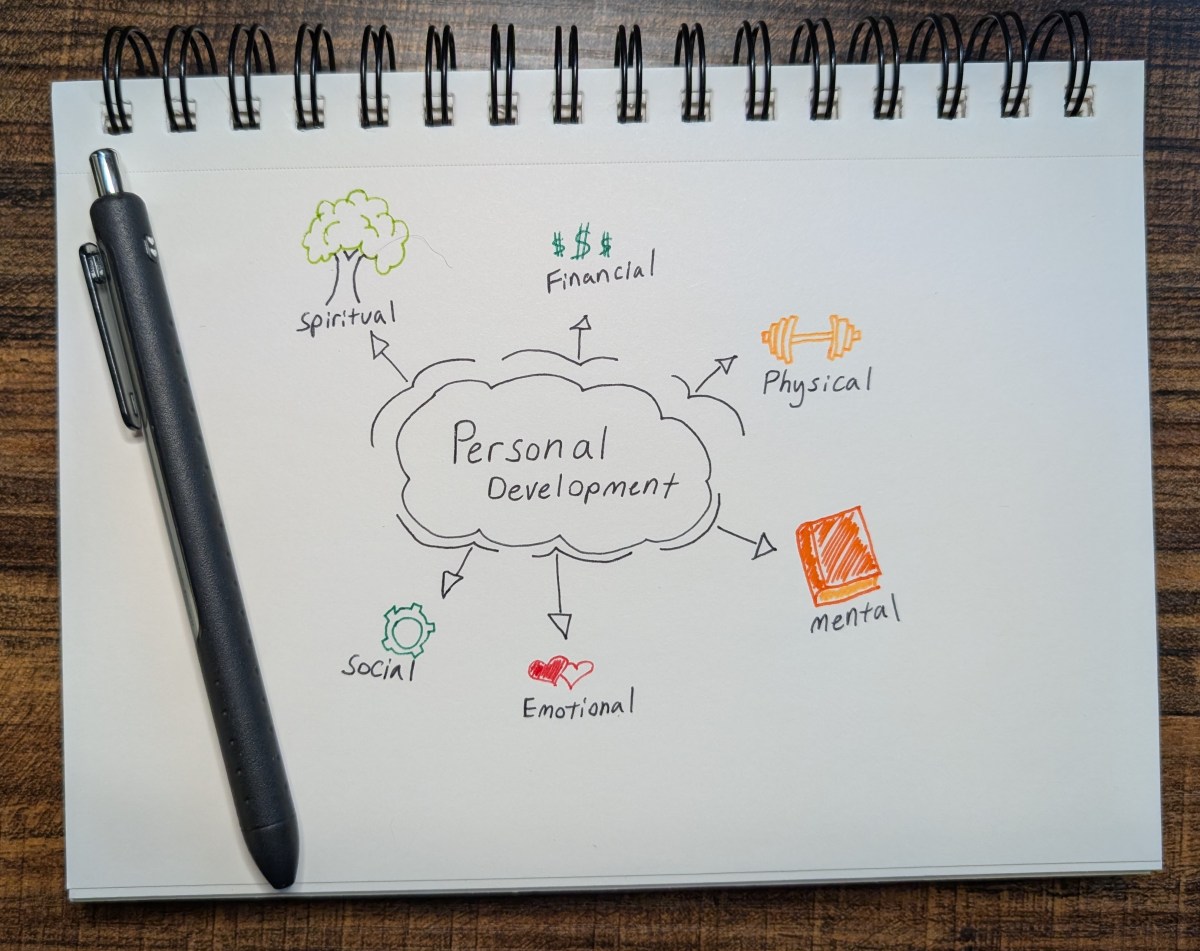
Personal development is a very broad term that consists of many actions and habits. Under the personal development umbrella you can find many topics ranging from language learning and reading, all the way to some major changes like sobriety and dietary shifts. There are six pillars that that we can break all of these topics up into so that your personal development journey can begin today!

First let’s define personal development, since this is such a broad term. The description that I have seen the most is this, personal development is: a process of activities that help people improve their skills, potential, and quality of life.

Where do we start? Take a look at the six pillars that personal development can be categorized by.

1.) Physical 💪

Physical development encompasses exercise, nutrition, sleep, and hygiene. To obtain growth in this pillar you can start by stretching in the morning and doing a short and light workout. Meal plan and work to incorporate better eating habits that make your body feel nourished and energized. Ensure that you are getting a good amount of quality sleep, this is different for everyone. Take the time to care for your body, this can look like going to regular doctor and dental appointments, getting a hair trim, and having a morning and evening routine for personal hygiene.

2.) Mental 🧠

Mental development is about improving your mindset and cognitive function. You can start by working on becoming self aware and getting familiar with how your actions affect your life. Some good habits to improve this pillar could be furthering your education, for example taking a free library class online, reading books, doing puzzles, trying meditation, and generally challenging your brain. Another great place to start is by setting up a few appointments with a therapist so that they can help you to sort out the more complicated road blocks you may encounter.

I really recommend books, books, and more books! 📖📚

3.) Emotional 💕

Emotional development includes learning to understand, express, process, and manage emotions. Emotions are often complex, and becoming familiar with how to handle your own emotions can be very freeing. You can start this process by becoming more aware of why you are having these emotions. Work on responding instead of reacting, and becoming more empathetic and understanding towards others. Mindfulness is a wonderful way to achieve these things. The practice of mindfulness will help you to improve self awareness, self regulation, empathy, and gain freedom from negative thoughts and judgments.

4.) Social 🙋‍♀️

Social development means gaining skills to interact with others in a healthier way. Self confidence plays a big role in this pillar. Being able to perceive and respect others will help you with social skills. Comfort in self expression and communication are great places to start. Being a good communicator and listener is beneficial in social setting as it will make you and your peers feel engaged and comfortable. Communication skills can include things like body language, speaking clearly, problem solving, avoiding interrupting, and awareness of social cues.

5.) Spiritual 🧘‍♀️

Spiritual development can be improved by connecting better to the world around us and also to our inner selves. I know this can sound kind of “woo woo” – just hear me out! You don’t have to do anything you are uncomfortable with, just do what works for you. A good place to start could be meditating a couple times per week, starting a yoga practice, being more present, and practicing gratitude. You can also try spending some time in nature or getting involved with your community. Any or all of these activities are likely to make you feel more connected and purposeful, which is the goal of spiritual growth.

6.) Financial ✅

First let me say that I am totally empathetic to the fact that everyone is in a different place financially. We all have different lives and different circumstances. That being said, the goal we are setting here is to better our financial management and make sure needs are met. Starting small could look like assessing your current financial situation and tracking your finances closer. after that you can start making a financial plan, budgeting, putting money into an emergency fund, saving, or paying off debt. You can start where ever you feel comfortable and where your personal situation allows.

I would like to highlight that in order for growth to happen we need to have an open and willing state of mind. You have to be okay with changing your habits, skills, time allocation, and mindset. If you are willing to do that then you can do just about anything!

Here is a quote I like from Brazilian lyricist and novelist Paulo Coelho –

” One day or day one”

Thank you for reading, have a loving and peaceful week!

Caelin 🤙

Top 5 Journal Prompts I Use

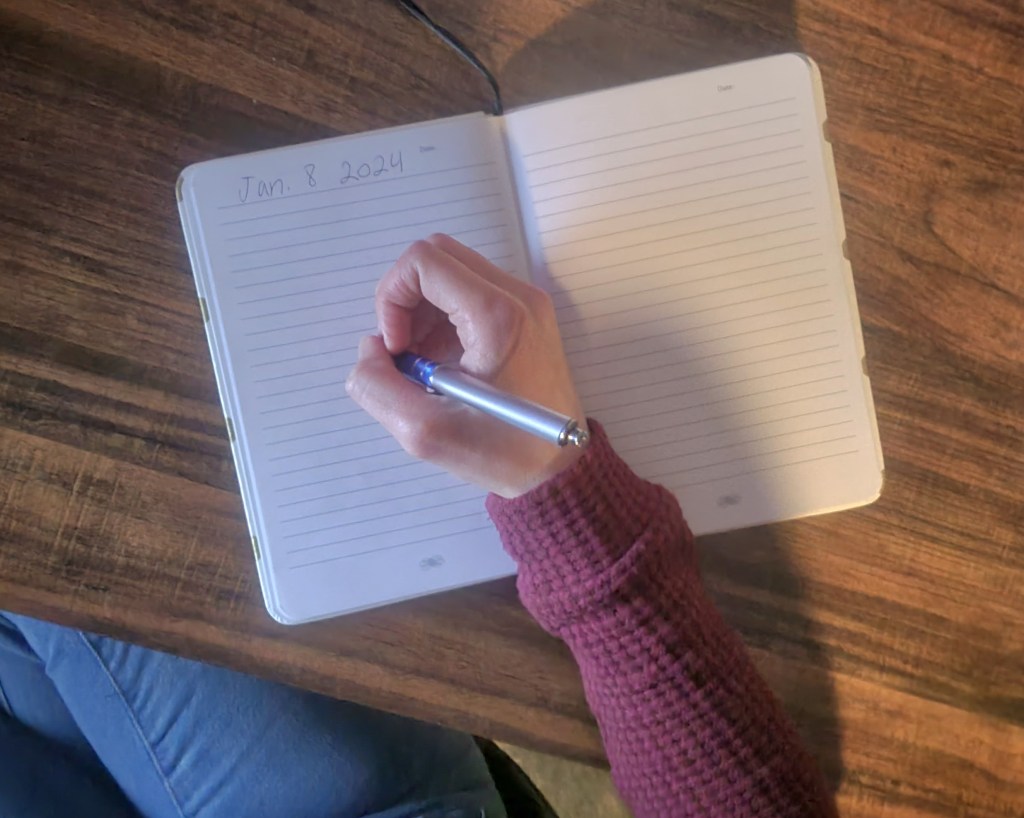
Writing in a journal everyday may sounds overwhelming, it did to me when I first started incorporating it into my daily routine. It does not have to be a perfect masterpiece, you are not writing the next New York Times best seller. The key to starting a daily journal is to just write something, anything, just brain dump into your journal. Seriously, that is what I did (and still do) every morning, and sometimes before bed as well. Take three or five minutes and just write down whatever is on your mind. This will have a couple of benefits for you. One, it will allow you to get those thoughts out of your brain so you do not feel like your mind is racing. Two, it will help you to organize you thoughts and let you have a clear vision for the day ahead.

Why I started writing in a journal

I first started writing in a journal after listening to some great videos about having a clear mind. My thoughts were always racing, to the point where I could not keep anything in or out of my brain for very long. I was chasing thoughts around all day long trying to remember this or make sure I told so and so that. Then when I tried to sleep at night it was the same thing. My brain trying to make a to-do list, and thinking about all the things I did not get done that day, and everything I had to get done the next day. It sounds exhausting, and it was. Finally, I decides to take this mans advice and just start writing things down.

What I started to write

I did not just write down your average to-do list or schedule for the day. I wrote down thoughts that I just wanted out of my brain. Things I knew I was not going to forget, but just could not stop thinking about. For example “my dogs nails are too long, I can hear them clacking on the tile and he has a grooming appointment on Saturday, but I just can not stop thinking about it”. This is actually a sentence I wrote in my journal so that I could stop that constant thought of my dogs nails needing trimmed. It really helps to just write it down. When you write these things down, it gives your brain a sense of being heard. You know it will be taken care of and that you can stop reminding yourself about it every hour.

How this has helped me

This has given me so much peace internally and externally as well. I am no longer speed walking around the house with a toothbrush in one hand and a TV remote in the other, wondering why I am holding these things when I am trying to start a load of laundry. I can go through my daily routines and check things off my list, or actually sit down and relax. I think of my journal as my second brain, once it is in the journal I do not need to think about it anymore. This also impacts the people around me, especially those that I share a home with. When I get anxious and overwhelmed, I give off that energy to others as well. Now, more often than not, I am relaxed and calm in my home. I can share that feeling with my loved ones, and give them a feeling of peace as well.

Do not have expectations

There is no wrong way to journal, so don’t go into this putting unnecessary pressure on yourself. Maybe you write one sentence, maybe you write two pages, both are correct and perfect. The goal here is to make you feel better, as long as that happens, you are doing it right. Please try to avoid comparing your journal practice to how other people journal, or your perception of how other people journal. It does not need to make sense to anyone else, or be poetic, or aesthetically pleasing. Make it sloppy and illegible, use a pen and then a pencil, it truly does not matter.

My current journal routine

As stated before I do write every morning to brain dump before I start my day. I have added some other types of journal writing to my routine in the last year or so. I now look for good prompts that are applicable to my current situation. For instance, since it is the first week of the year I have done a few prompts on year planning, goal setting, and yearly review. This helps figure out where I am at with my goals, how I want my year to look, and how I can go about getting there. I would highly recommend searching for prompts that are in line with whatever you have going on in your life. You can search for prompts about parenting, moving, recovery, just about anything you can think of there is a journal prompt for. Do them as often as you need, or schedule them, completely up to you. Again, this is all about making your life more peaceful.

Top 5 prompts I would recommend

Okay, here we go, here are my top 5 journal prompts that have given me the most insight.

  • What does your ideal day look like?

This one needs to be very specific, start from the time you wake up and end with right before you go to sleep. What do you do all day? Who are you with? Where do you go? This will help give you an idea of what changes you can make to start having days that feel better to you.

  • What will make the boat go faster?

For this one imagine that you are in a boat trying to get to your goal. The goal could be anything, small or big. For example, you are trying to leave the house to go to a dinner party and then the dog gets sick on the carpet. Now you need to ask “What will make the boat go faster?” or in this case “How can I efficiently take care of this so my evening can get back on track?” You can either get very mad, yell at your dog, rush around the house to grab cleaning supplies, snap at your spouse, and then have a tense and silent car ride to the party. Option two, you can calmly ask your spouse for help to get the dog outside so that you can grab the cleaning supplies, then work together to clean the mess and have a nice conversation about what a good team you are on the way to the party. Which one do you think will make the boat go faster?

  • What would the ideal me do?

If you are struggling with how to handle a situation this is a great one! Can’t decide how to respond to a message? Trying to write out a healthy meal plan? Deciding whether to binge Netflix or go for a walk? Ask yourself, what would the ideal you do, whatever that version of you looks like in your head. This can also be a great prompt for life planning, what does your ideal you look like in ten years?

  • Fears, fixes, and the outcome I would bet on

This one is as easy as it sounds. Whatever problem you are dealing with, write down what scares you about it, what the possible fixes could be, and what you think the most probable outcome will be. Emphasis on “most probable”, this will help make that big mountain in your head turn into a mole hill.

  • Gratitude list

Last and absolutely not least is a gratitude list. This always feels silly and always turns my sour moods right around. If you are in a funk, writing down the things in life you are grateful for will make you feel better almost one hundred percent of the time. It can be anything, your dog, your car, your job, or a friend. Being grateful is a big step to having peace in your life.

Conclusion

Writing everyday has really changed my life for the better. I did not think it was going to have the profound impact that it has. My entries have gotten more intentional and thought out over time, but to start they were just ramblings. That is totally okay, just let the words come and don’t overthink it. If you need inspiration look for a prompt, but you likely won’t need one most days. I really hope that you give it a try, and if you do I hope it helps to clear your mind.

Thank you for reading, and I truly hope you got some use out of my ideas and experiences.

Pursuit, Plants, Serenity

Change Your Brain With Meditation

I started a meditation practice a few years ago during the COVID lock down. My (then boyfriend, now fiance) and I were sitting in a parking garage taking a break from riding around town on our Onewheels. While we sat there he turned on a live stream that Davey Havok had posted, I was partially listening and kind of playing around on my phone until I heard him start talking about meditation. I’m not sure what it was that he said that caught my attention, but I became laser focused. He mentioned that it had become a daily habit for him, and that he had really benefited from doing it. He mentioned the app that he used and at that time given the state of the world I was intrigued about the benefits he claimed.

I had never though too much about meditation, it sounded a little boring and pointless. It made me feel uncomfortable to even think about sitting totally still doing nothing but being alone and focused on my thoughts. At that time my thoughts were chaotic and anxious, nothing I wanted to sit with and give more attention to. I wanted to be distracted from these thoughts, my hope was that eventually they would go away. Now I know that the exact opposite happens, the more you try to push those types of thoughts out, the more frequent and frustrating they become.

When I first started my meditation practice it was difficult and I felt I was not doing it right. My expectation was that I would sit there and be still and quiet and then feel peaceful after a few minutes. I was wrong, it was hard to keep my eyes closed, and harder not to check the time every twenty seconds. I could not make my thoughts quiet down, or focus, or do any of the things that other people talked about when it came to meditation. So I did the thing I normally do and I read a lot of books about it and listened to some podcasts where scientists would talk about what happens to your brain when you have a meditation practice. What I found was that what I was experiencing was exactly what almost everyone else experiences when they first start.

I did not give up and I became comfortable with the discomfort, and better yet I became very patient with my brain. Now a few years later I am still far from perfect at it. I can however sit through the whole practice without opening my eyes, without getting frustrated, without feeling the need to check the clock or rush off to do something else. I do feel peaceful afterwards, and I am so glad I started and stayed with the practice.

So what actually happens to your brain during meditation? Meditation has been found to enable neuroplasticity by improving cognition, attention, and memory recall. Certain types of meditation have also been linked to lowering stress, lowering blood pressure, and even reduced risk of cardiovascular and cancer caused mortality. Those who practice regularly were shown to improve constructive thinking as well as creative thinking. Practicing meditation has also shown to improve overall life satisfaction, mood, quality of life and even help those who are afflicted with chronic stress, depression, and substance abuse. People report that both professional and personal relationships improved after adopting the practice.

Looking even closer at what happens, researchers have found that doing regular meditation increases gray matter in the brain. What does this mean? Coating the surface of most other brain structures is a thin and very important layer of tissue. This layer is called the Cerebral Cortex, the largest brain structure in humans. This tissue accounts for about two-thirds of the brains mass. This is where most information processing takes place and what is referred to as “gray matter”. Folds in the brain add to the surface area of the Cerebral Cortex, the more folds, the larger the brain and the greater the cognitive ability of that brain. Studies have found that thirty to forty five minutes of meditation daily leads to an increase in gray matter.

For me finding out about all of the potential benefits of meditation was enough to give it a try. I personally use the Headspace app and I can not say enough good things about it. After a few months of use I really started to be able to see the benefits in my life. I was less reactive to stressors that happened throughout my day. I noticed myself being more patient with myself and others, I was not so easily would up. Now I look forward to it first thing in the morning and in the evening before bed.

You do not have to pay for a subscription to be able to meditate daily, there are loads of guided meditations for free on YouTube. If you prefer non guided meditation you can always do your own research and start a practice on your own with no guides. There are different types of mediation practices such as Zen meditation, Yoga Nidra, calming, and insight meditation. All have unique benefits, and none of them are right or wrong, it is all about what works for you!

You may even find it helpful to read some books about mediation, or go to a class for your first time to see how the practice is structured. I really do not think there is any wrong way to start or do meditation, as long as you are seeing the benefits and it is leading you to a better quality of life. I will reiterate that it will likely be a challenge at first, and that is perfectly fine. Moving through challenging things is how we evolve and grow, so do not let that intimidate or stop you from trying!

I would also like to go ahead and point out that you do not need a fancy mat or cushion from Target, or special beads, singing bowls, socks, or anything else to start a practice. Just you sitting on your bed, couch, or floor is absolutely acceptable. You can do it in clothes you already have and without any cute gadgets. Once you decide to stick with it, if you then want to purchase some items then that is totally up to you. Just do not let the Pinterest perfect aesthetic of meditation hold you up from starting.

Meditation is a great habit to add to your daily life and has incredible benefits for something so inexpensive and not too time consuming. Starting even with just five minutes is a big step in the right direction. Start and then build on that habit, and watch your day to day become calmer and more serene. I hope you find this habit as beneficial and life changing as I have. Thank you so much for reading along and if you have any comments or questions I would love to read them!

Pursuit, Plants, Serenity.