Embracing Diverse Creative Thinking: Unlocking Your Unique Style

Have you ever found yourself doubting your creativity simply because it doesn’t look like someone else’s version of it? Maybe you’ve thought, “I’m not artistic, so I must not be creative,” or questioned your abilities because your ideas don’t fit the usual mold. This kind of self-doubt can hold you back from tapping into your fullest potential—especially when you’re focused on personal growth, building self-esteem, and nurturing deeper connections with yourself and others.

Recognizing and embracing your own creative style can be an empowering turning point in your journey. Creativity is much broader than what most people imagine. It’s not confined to painting, writing, or playing music. In fact, it’s an essential part of problem-solving, organization, and even how you connect with loved ones. Let’s dive into how you can overcome self-doubt, start seeing your personal brand of creativity in a new light, and use it to support your growth—inside and out.

Why It’s Good That People Think Differently

Our world is shaped by a dazzling variety of thinkers. Imagine if everyone solved problems or approached opportunities the exact same way—what a dull and limited world that would be. The truth is, your creative process adds value. It helps move ideas forward, leads to innovative breakthroughs, and brings beauty or efficiency in unexpected ways. Self-doubt often arises when you compare your creativity to someone else’s. Maybe you believe only artists or musicians are truly creative. Yet, engineers, caregivers, teachers, and community builders all offer their own kind of ingenuity. The key is learning to embrace your strengths and understanding the different styles of creative thinking.

Five Types of Creative Thinking

There are actually five distinct types of creative thinking. Finding the one that describes your natural state of being will help you see that you are likely just as creative as the next person. If you’ve doubted your brilliance before, this might be the reassurance you’ve been needing.

1. Divergent Thinking

This type of thinking is all about generating a wide range of ideas from a single starting point. If you thrive during brainstorming sessions, quickly coming up with lots of unique solutions, you’re likely strong in divergent thinking. You create possibility by exploring many avenues and letting your mind roam freely. Traditional brainstorming, creative writing prompts, open-ended personal reflection are your strong suit.

2. Lateral Thinking

If you’re the type of person who sees unusual connections and finds surprising solutions, you’re likely a lateral thinker. You break patterns and challenge the status quo by looking at things from unexpected angles. Lateral thinking helps you disrupt old habits and see opportunities where others see obstacles. Getting past mental roadblocks, finding new routines for healthy living, and shifting your mindset comes a bit easier to you.

3. Aesthetic Thinking

You have an inner sense of how things should look, sound, or feel. Maybe you notice harmonious color combinations, love creating soothing environments, or are sensitive to design, rhythm, and beauty in everyday life. Aesthetic thinking is often what comes to mind when people think of “creativity,” but it’s only one piece of the puzzle. Self-expression through journaling, decorating your space mindfully, appreciating music, art, and literature is how you naturally express yourself.

4. Systems Thinking

If you’re naturally organized, able to connect the dots, and enjoy creating smooth processes or managing complex projects, you’re a systems thinker. You see how individual pieces work together to form a seamless whole. Systems thinkers are essential in making life run more smoothly for everyone. Planning personal growth routines, managing family dynamics, or setting and tracking wellness goals is where you shine and you love it!

5. Inspirational Thinking

Sometimes, the best ideas seem to arrive out of nowhere. If you often find creative sparks during meditation, long walks, or quiet moments, you shine in inspirational thinking. These flashes of insight can lead to breakthroughs in how you approach your career, health, or relationships. You make your mark by visionary goal-setting, leadership, journaling inspiration, and helping others find clarity and motivation.

Self-Doubt and Comparison

When you compare your creative style to someone else’s, you may start to doubt your abilities. You might think, “I’m not creative,” simply because you don’t fit the common image of an artist or inventor. This thinking can limit your confidence and keep you from setting meaningful goals or taking bold steps toward the life you want. Self-doubt isn’t just about creativity; it can affect how you see yourself in every aspect of life. When you discount your own strengths, you miss out on opportunities for growth, learning, and connection.

Recognizing and Embracing Your Unique Creative Style

The good news is, everyone has a unique blend of creative strengths. You might be a systems thinker who makes life smoother for friends and family. Or perhaps you inspire others through your reflective insights shared during deep conversations. Whatever your skills, they matter.

Here’s are some helpful tips to guide you through overcoming self-doubt and tap deeper into your unique creativity:

1. Re-frame Your Understanding of Creativity

Stop associating creativity only with the arts or traditional “creative” fields. Remind yourself that problem-solving, organization, inspiration, and beauty are all forms of creativity. Confidence starts with recognizing your own value.

2. Identify Your Preferred Creative Style

Reflect on which type of creative thinking comes most naturally for you. Are you a brainstormer, a designer, a planner, a disruptor, or a visionary? Understanding your tendencies boosts self-esteem and helps you set realistic, positive goals for growth.

3. Celebrate Your Strengths

Acknowledge where your style has benefited you and those around you. Perhaps your systems thinking helps your family stick to healthy routines, or your divergent thinking brings fresh ideas to your journal or work group.

4. Avoid Unhelpful Comparisons

Remember, comparing your creative process to someone else’s is like comparing apples to oranges. Each style is necessary to make the world work. Both an engineer and an artist are creative—just in different, equally important ways.

5. Feed Your Creativity Daily

Lean into activities that play to your strengths. If you thrive on spontaneous inspiration, keep a journal nearby to capture ideas. If you’re a planner, set up new routines or systems. Trust your natural inclinations and allow them to flourish.

Step Fully Into Your Natural Creativity

You are more creative than you think. No matter your background or current beliefs about yourself, you contribute in ways that are valuable, beautiful, and deeply needed. Don’t let self doubt hold you back or convince you that your creative style isn’t important. Embrace the diversity of creativity, both in yourself and in others. The next time you set a personal goal, brainstorm a fresh solution at work, or help a loved one, remind yourself: your way of thinking has the power to move things forward.

Reflect on your own creative process. Name the type of creativity you resonate with most. Commit to nurturing it without comparison. The world needs what only you can contribute. Trust your mind, honor your process, and watch your confidence grow. The journey toward greater self-esteem, deeper connection, and personal fulfillment starts when you acknowledge and embrace your unique creative gifts.

Embracing Change: Navigating Disappointment and Managing Expectations

Life rarely goes exactly as planned. Whether it’s a canceled event, a missed opportunity, or an unexpected twist, disappointment is an inevitable part of the human experience. But what if we could learn to navigate these moments with grace and even find peace in the process? This blog post explores how to manage expectations, embrace change, and turn disappointment into an opportunity for growth.

The Problem with Rigid Expectations

We’ve all been there – you’ve been looking forward to something for weeks, only for it to fall apart at the last minute. Maybe the weather ruined your outdoor plans, or a work deadline forced you to cancel a much needed getaway. In those moments it’s easy to feel frustrated, angry, or even defeated. But often, the root of our disappointment lies in the expectations we’ve set for ourselves or others.

When we visualize exactly how something should go, we create a mental box that limits our ability to adapt. For example, you might imagine a perfect day at the beach, sunny skies, calm waves, and a picnic with friends. If it rains, or if traffic delays your arrival, the entire experience feels ruined. The truth is, the day could still be enjoyable if we let go of our rigid expectations and embrace what’s actually happening.

Why Expectations Can Hold Us Back

Expectations aren’t inherently bad, they help us set goals and plan for the future. But when they become too narrow or unrealistic, they can do more harm than good. Here’s how:

They Limit Our Ability to Adapt: When we’re fixated on a specific outcome, we’re less open to alternative possibilities. This can prevent us from making the most of a situation, even when it’s not what we originally envisioned.

They Create Unnecessary Stress: Putting too much pressure on ourselves to meet certain expectations can lead to anxiety and frustration. For example, stressing over being “on time” for an event when no one else is even keeping track.

They Blind Us to Opportunities: Sometimes, what we want comes to us in a different form than we expected. If we’re too focused on the “packaging,” we might miss out on something truly valuable.

How to Manage Expectations

The good news is that managing expectations is a skill you can develop. Here are some strategies to help you navigate disappointment and embrace change:

1. Practice Being Present

One of the most effective ways to manage expectations is to focus on the present moment. Instead of imagining how something should go, try to take things at face value. This doesn’t mean you can’t plan or look forward to things, it just means you’re open to whatever unfolds.

For example, if you’re attending a social event, resist the urge to predict how it will go. Instead, focus on enjoying the people around you and the experience as it happens. You might be surprised by how much more enjoyable it becomes when you’re not constantly comparing it to your expectations.

2. Let Go of Perfection

Perfection is an illusion, and chasing it only sets us up for disappointment. Instead of striving for the “perfect” outcome, aim for “good enough.” This mindset shift can help you appreciate the small wins and find joy in imperfection.

For instance, if your outfit isn’t exactly what you planned to wear, remind yourself that it’s not the end of the world. Wear something that makes you feel comfortable and confident, and let go of the idea that everything has to be perfect.

3. Re-frame Disappointment as Opportunity

When things don’t go as planned, it’s natural to feel disappointed. But what if you could see these moments as opportunities for growth? For example, a canceled trip might give you the chance to rest and recharge at home. A missed deadline could be a reminder to prioritize self-care and set more realistic goals.

By re-framing disappointment, you can turn a negative experience into a positive one. This doesn’t mean you have to be happy about every setback, it just means you’re choosing to focus on the silver lining.

4. Limit Unnecessary Expectations

Not every situation requires expectations. For example, you don’t need to put pressure on yourself to have the “perfect” day or the “perfect” relationship. Instead, try to approach life with curiosity and openness.

Ask yourself: Why am I setting this expectation? Is it because I’m trying to uphold an image? Or because I’m afraid of disappointing others? Often, the expectations we place on ourselves are unnecessary and only serve to stress us out.

5. Embrace Flexibility

Life is unpredictable, and the more flexible you can be, the easier it will be to navigate change. This doesn’t mean you have to give up on your goals or stop planning altogether—it just means you’re willing to adapt when things don’t go as planned.

For example, if you’re running late for an event, remind yourself that it’s not the end of the world. Focus on what you can control, like staying calm and making the most of the time you have.

The Benefits of Letting Go

When you let go of rigid expectations, you open yourself up to new possibilities. You might find that you’re more open to trying new things, meeting new people, or exploring new opportunities. You’ll also likely feel less stressed and more at peace with whatever life throws your way.

If you’re starting a new business or pursuing a personal goal, try to let go of the idea that everything has to happen on a specific timeline. Instead, focus on making progress and enjoying the journey. You might find that the process becomes more enjoyable (and even more successful) when you’re not putting unnecessary pressure on yourself.

Managing expectations and navigating disappointment isn’t always easy, but it’s a skill worth developing. The next time you find yourself feeling frustrated or disappointed, take a moment to reflect on the expectations you’ve set. Are they realistic? Are they necessary? And most importantly, are they serving you?

Try to approach life with curiosity, openness, and flexibility. Let go of the need for everything to be perfect, and embrace the beauty of imperfection. You might be surprised by how much more enjoyable and fulfilling life becomes when you’re not constantly chasing an idealized version of it.

So, the next time a wrench gets thrown in your plans, take a deep breath and remind yourself that it’s not the end of the world. Instead, see it as an opportunity to practice resilience, adaptability, and self-compassion. After all, life is a journey and sometimes, the detours are the most rewarding parts.

Top 5 Journal Prompts I Use

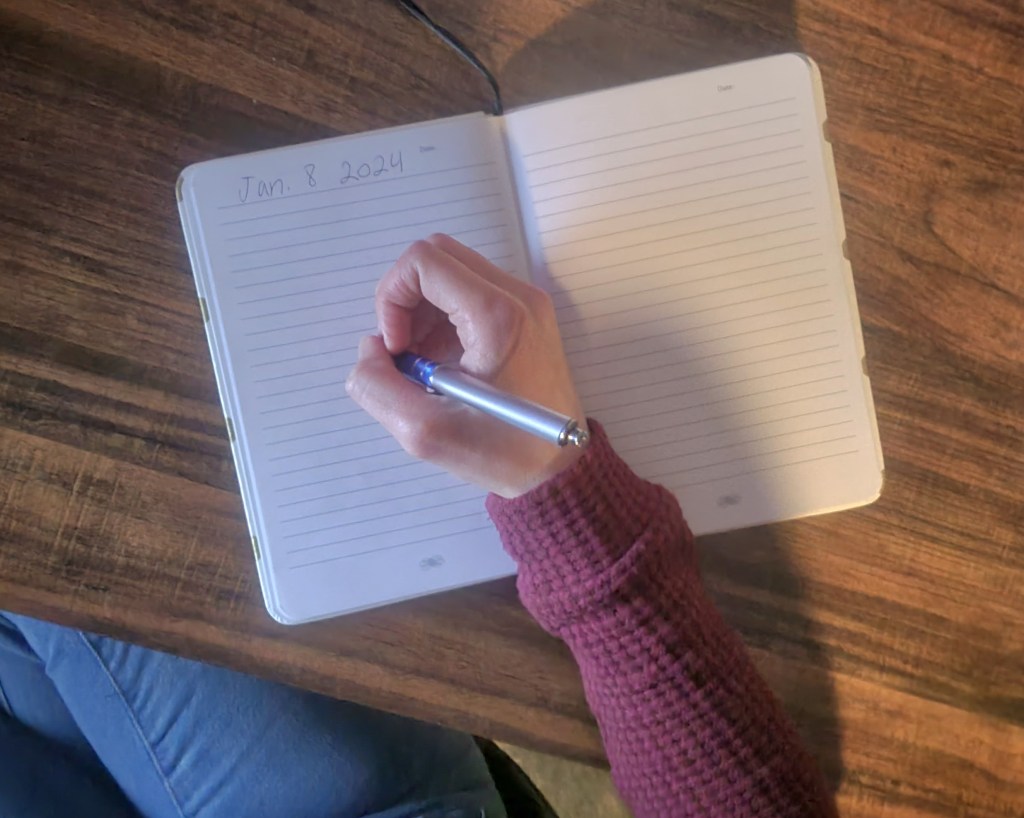
Writing in a journal everyday may sounds overwhelming, it did to me when I first started incorporating it into my daily routine. It does not have to be a perfect masterpiece, you are not writing the next New York Times best seller. The key to starting a daily journal is to just write something, anything, just brain dump into your journal. Seriously, that is what I did (and still do) every morning, and sometimes before bed as well. Take three or five minutes and just write down whatever is on your mind. This will have a couple of benefits for you. One, it will allow you to get those thoughts out of your brain so you do not feel like your mind is racing. Two, it will help you to organize you thoughts and let you have a clear vision for the day ahead.

Why I started writing in a journal

I first started writing in a journal after listening to some great videos about having a clear mind. My thoughts were always racing, to the point where I could not keep anything in or out of my brain for very long. I was chasing thoughts around all day long trying to remember this or make sure I told so and so that. Then when I tried to sleep at night it was the same thing. My brain trying to make a to-do list, and thinking about all the things I did not get done that day, and everything I had to get done the next day. It sounds exhausting, and it was. Finally, I decides to take this mans advice and just start writing things down.

What I started to write

I did not just write down your average to-do list or schedule for the day. I wrote down thoughts that I just wanted out of my brain. Things I knew I was not going to forget, but just could not stop thinking about. For example “my dogs nails are too long, I can hear them clacking on the tile and he has a grooming appointment on Saturday, but I just can not stop thinking about it”. This is actually a sentence I wrote in my journal so that I could stop that constant thought of my dogs nails needing trimmed. It really helps to just write it down. When you write these things down, it gives your brain a sense of being heard. You know it will be taken care of and that you can stop reminding yourself about it every hour.

How this has helped me

This has given me so much peace internally and externally as well. I am no longer speed walking around the house with a toothbrush in one hand and a TV remote in the other, wondering why I am holding these things when I am trying to start a load of laundry. I can go through my daily routines and check things off my list, or actually sit down and relax. I think of my journal as my second brain, once it is in the journal I do not need to think about it anymore. This also impacts the people around me, especially those that I share a home with. When I get anxious and overwhelmed, I give off that energy to others as well. Now, more often than not, I am relaxed and calm in my home. I can share that feeling with my loved ones, and give them a feeling of peace as well.

Do not have expectations

There is no wrong way to journal, so don’t go into this putting unnecessary pressure on yourself. Maybe you write one sentence, maybe you write two pages, both are correct and perfect. The goal here is to make you feel better, as long as that happens, you are doing it right. Please try to avoid comparing your journal practice to how other people journal, or your perception of how other people journal. It does not need to make sense to anyone else, or be poetic, or aesthetically pleasing. Make it sloppy and illegible, use a pen and then a pencil, it truly does not matter.

My current journal routine

As stated before I do write every morning to brain dump before I start my day. I have added some other types of journal writing to my routine in the last year or so. I now look for good prompts that are applicable to my current situation. For instance, since it is the first week of the year I have done a few prompts on year planning, goal setting, and yearly review. This helps figure out where I am at with my goals, how I want my year to look, and how I can go about getting there. I would highly recommend searching for prompts that are in line with whatever you have going on in your life. You can search for prompts about parenting, moving, recovery, just about anything you can think of there is a journal prompt for. Do them as often as you need, or schedule them, completely up to you. Again, this is all about making your life more peaceful.

Top 5 prompts I would recommend

Okay, here we go, here are my top 5 journal prompts that have given me the most insight.

  • What does your ideal day look like?

This one needs to be very specific, start from the time you wake up and end with right before you go to sleep. What do you do all day? Who are you with? Where do you go? This will help give you an idea of what changes you can make to start having days that feel better to you.

  • What will make the boat go faster?

For this one imagine that you are in a boat trying to get to your goal. The goal could be anything, small or big. For example, you are trying to leave the house to go to a dinner party and then the dog gets sick on the carpet. Now you need to ask “What will make the boat go faster?” or in this case “How can I efficiently take care of this so my evening can get back on track?” You can either get very mad, yell at your dog, rush around the house to grab cleaning supplies, snap at your spouse, and then have a tense and silent car ride to the party. Option two, you can calmly ask your spouse for help to get the dog outside so that you can grab the cleaning supplies, then work together to clean the mess and have a nice conversation about what a good team you are on the way to the party. Which one do you think will make the boat go faster?

  • What would the ideal me do?

If you are struggling with how to handle a situation this is a great one! Can’t decide how to respond to a message? Trying to write out a healthy meal plan? Deciding whether to binge Netflix or go for a walk? Ask yourself, what would the ideal you do, whatever that version of you looks like in your head. This can also be a great prompt for life planning, what does your ideal you look like in ten years?

  • Fears, fixes, and the outcome I would bet on

This one is as easy as it sounds. Whatever problem you are dealing with, write down what scares you about it, what the possible fixes could be, and what you think the most probable outcome will be. Emphasis on “most probable”, this will help make that big mountain in your head turn into a mole hill.

  • Gratitude list

Last and absolutely not least is a gratitude list. This always feels silly and always turns my sour moods right around. If you are in a funk, writing down the things in life you are grateful for will make you feel better almost one hundred percent of the time. It can be anything, your dog, your car, your job, or a friend. Being grateful is a big step to having peace in your life.

Conclusion

Writing everyday has really changed my life for the better. I did not think it was going to have the profound impact that it has. My entries have gotten more intentional and thought out over time, but to start they were just ramblings. That is totally okay, just let the words come and don’t overthink it. If you need inspiration look for a prompt, but you likely won’t need one most days. I really hope that you give it a try, and if you do I hope it helps to clear your mind.

Thank you for reading, and I truly hope you got some use out of my ideas and experiences.

Pursuit, Plants, Serenity