
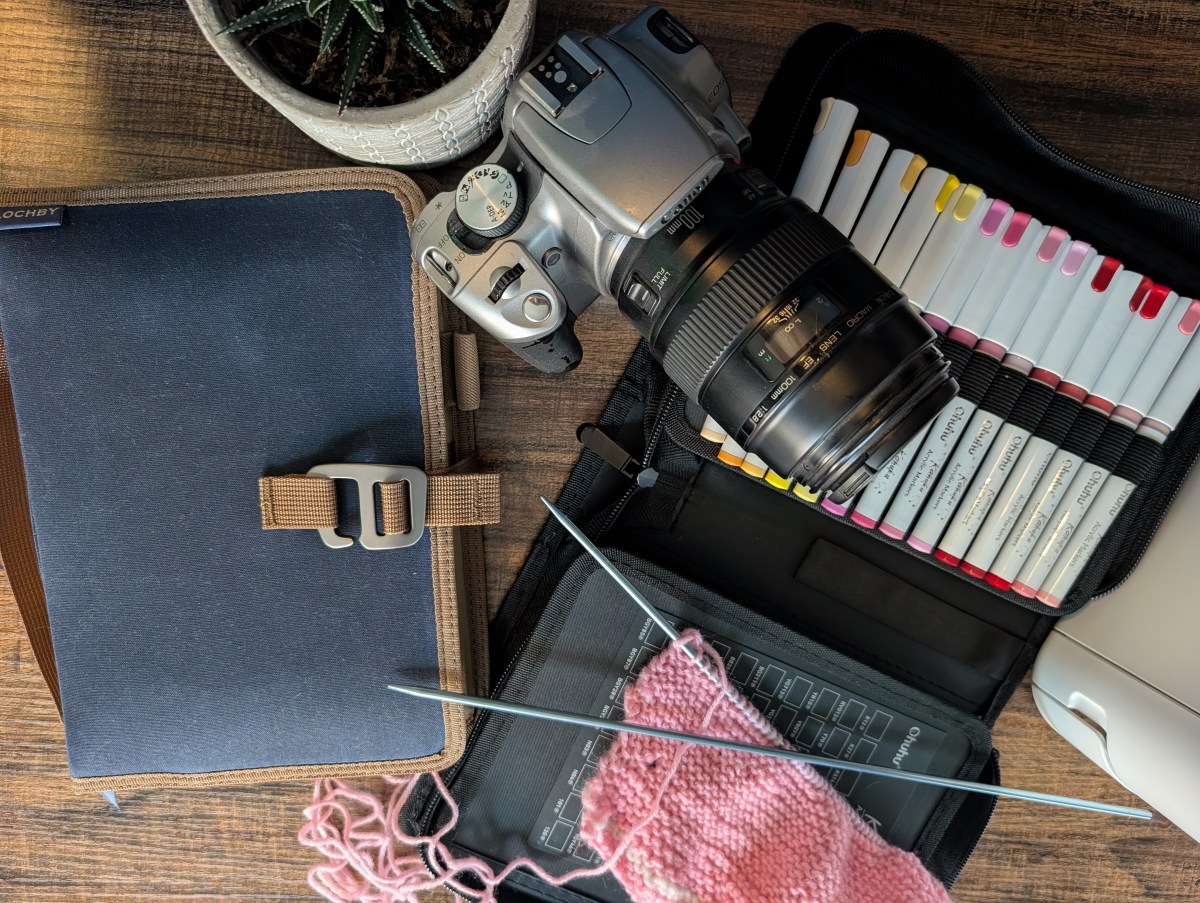
Have you ever sat down to create—whether it’s painting, writing, or making music—and felt that heavy pressure to produce something extraordinary? You might feel that every session needs to result in a masterpiece. I’ve been there myself, many times. Self-doubt can creep in, making you question your abilities and even your worth as a creative person. If you relate, know that you’re not alone. But what if the key to thriving creatively isn’t striving for perfection every time, but nurturing your creative side through play and experimentation? If you’re someone who values personal growth, enjoys activities like journaling, active movement, meditation, or simply seeks a deeper sense of connection—approaching creativity as nourishment may transform not only your skills but also your confidence and sense of joy.
Why Self-Doubt Holds Us Back
Self-doubt is a familiar companion for anyone engaged in creative work. That inner critic often whispers that you must always strive for the best, or that anything less than brilliant isn’t worth doing. Over time, this mindset starves your creative spirit. You may begin to feel blocked, uninspired, or even question whether you’re truly the “creative type.” But being creative isn’t about making perfect things every time. It’s about engaging with activities that make your heart happy, regardless of the outcome. Even the world’s most renowned artists and musicians, like Frank Sinatra or Pablo Picasso, produced thousands of works—most of which never became famous. What they did, consistently, was create. They played, they experimented, and they fed their creative souls.
The Pressure to Be Perfect
Constantly striving for perfection sets the bar unrealistically high. If every creative attempt needs to be a work of genius, the fear of failure will keep you from even starting. This mindset can make you feel stuck, and can chip away at your self-esteem and overall well-being. You don’t need to be good at making music to enjoy making music. You don’t need to be a professional artist to delight in art. The pressure to always perform at your best steals the fun, the playfulness, and the nourishment creativity can offer.
Embrace Play in Your Creative Practice
Feeding your creative spirit means giving yourself permission to make things just because they feel good. Not everything you create needs to serve a purpose or meet a high standard. Sometimes, the most valuable part of the creative process is what it gives you: freedom, joy, and a stronger sense of self. You build confidence, resilience, and connection with your authentic self when you allow your creative practice to include play and exploration.
5 Strategies to Nurture Your Creative Confidence
Here are actionable steps to help you overcome self-doubt, nourish your creativity, and foster greater self-esteem through playful artistry:
1. Set Aside Time for “Just for Fun” Creation – Allocate a block of time each week to create with no expectations. Allow yourself to doodle, write nonsense, play random notes, or try a new medium. Focus on the experience, not the result.
2. Embrace Imperfection – Remind yourself that not every attempt needs to be a hit. Look at your idols: their careers are filled with experiments, drafts, and non-masterpieces. Let go of the need for each piece to be impressive.
3. Lower the Stakes – Start creative sessions with simple warm-ups: scribble lines on paper, write a few freestyle sentences, or strum your instrument without aiming to play a song. These warm-ups remove pressure and open the door for creative juices to just flow.
4. Make Creativity Routine, Not Rare – Integrate small acts of creativity into your daily life. Even when you’re not aiming to produce finished work, you’re refueling your creative tank. The more you create, the more ideas and confidence you generate.
5. Celebrate the Act of Creating – Acknowledge your efforts, no matter the outcome. Treat each creation, whether you love it or not, as a building block for your growth. Remember that every step forward is progress, even if it feels small.
Giving Yourself Permission to Play
If you only create when trying to achieve perfection, you miss out on the joys and surprises that come from playful exploration. Creation can be a source of nourishment, fueling your well-being, building your confidence, and connecting you more deeply to yourself and, ultimately, to others. When you drop the need for every project to be a grand achievement, you find freedom. You begin to see that the act of making—not the outcome—is what strengthens you, brings you confidence, and yields the greatest rewards.
Let Go of Perfectionism
Perfectionism blocks action. Each time you tell yourself that what you’ve made isn’t good enough, you reinforce the walls of self-doubt. Instead, allow yourself to create “bad” art, to write messy first drafts, to make noise instead of music. Through this practice, you build resilience, discover new ideas, and find joy in the process. Every effort you make is valuable, not because of how others judge it, but because it feeds your spirit. Purposeful play in creativity isn’t just for artists—it serves anyone who wants more confidence, health, and connection.
Your Creative Journey
You don’t have to be a master to benefit from creativity. Feeding your creative side is about more than producing masterpieces. It’s about tending to your own well-being, building confidence, and giving yourself space to grow. Release yourself from the burden of perfection. Start by taking small, low pressure steps. Allow yourself to make things “just because.” Over time, you’ll find that your creativity, and your confidence grows.
Starting today, commit to one playful creative act this week. Doodle with your favorite pen, scribble in your journal, or mold a new clay piece. Let the process fuel your growth. You’ll be amazed at the clarity and weightlessness it brings, not just to your creative life, but to every part of your personal trajectory. Embrace the freedom of imperfection. Feed your creative spirit. Your best, most authentic work begins when you simply allow yourself to start.

