Embracing Mindfulness: An Introduction to Meditation

Have you ever felt the weight of self-doubt holding you back? You’re not alone. Many of us grapple with the fear of not doing things “right,” especially when it comes to new practices like meditation. πŸ€” I remember my first attempt at meditating; I was filled with uncertainty and nervousness. I questioned whether I was doing it correctly and worried about feeling bored or missing the point entirely. But through this journey, I’ve discovered that meditation is not about perfectionβ€”it’s about finding what works for you. 🌟

Overcoming Self-Doubt with Meditation
πŸ§˜β€β™€οΈ

Identifying the Problem

Self-doubt can be a significant barrier to personal growth. It often manifests as anxiety, a scattered mind, or an overwhelming sense of being unable to focus. These feelings can prevent you from fully engaging in activities that promote well-being, like meditation.

Finding the Solution

Meditation has been a transformative tool in overcoming these challenges. Here are some strategies that have helped me, and they might just work for you too:

1. Start Small: Begin with just 5 to 10 minutes a day. This manageable time frame makes it easier to incorporate meditation into your routine without feeling overwhelmed.

2. Use Guided Meditations: Apps like Headspace offer guided sessions that can help you navigate the initial discomfort and uncertainty. These sessions provide structure and support, making it easier to stay focused.

3. Embrace Personalization: Remember, there’s no “right” way to meditate. It’s a personal practice that should feel good for you. Experiment with different techniques until you find what resonates.

4. Practice Patience: Be gentle with yourself. Meditation is a journey, not a destination. Allow yourself the grace to learn and grow at your own pace.

5. Connect Mind and Body: Focus on the connection between your mind and body. This awareness can help you function better throughout the day, reducing anxiety and improving concentration.

The Benefits of Meditation 🌞

Through consistent practice, I’ve experienced numerous benefits that have enhanced my daily life:

Reduced Anxiety: Meditation has helped me manage anxiety by allowing me to acknowledge my thoughts without judgment. This acceptance makes it easier to let go of negative thoughts and move forward.

Improved Focus: By taking a few moments to breathe deeply and connect with my surroundings, I’ve found it easier to concentrate on tasks without feeling overwhelmed.

Enhanced Mindfulness: Meditation has taught me to be present in the moment, whether I’m enjoying a meal, spending time with loved ones, or simply taking a walk. This mindfulness has brought a sense of peace and serenity to my life.

Integrating Mindfulness into Daily Life

Mindfulness extends beyond meditation. It’s about being fully present and aware of the current moment without self-judgment. Here are some ways to incorporate mindfulness into your daily routine:

1. Observe Your Surroundings: Take a moment to notice the sounds, sights, and sensations around you. This practice can ground you in the present and reduce stress.

2. Acknowledge Your Feelings: Instead of resisting your emotions, allow yourself to experience them. Recognize when you’re feeling tense or anxious, and take steps to relax.

3. Practice Self-Compassion: Be kind to yourself. Accept your thoughts and feelings as they are, without labeling them as good or bad. This self-compassion can lead to greater peace and self-acceptance.

4. Focus on the Present: When your mind starts to wander, gently bring your focus back to the task at hand. This practice can help you stay engaged and reduce feelings of overwhelm.

Conclusion

Meditation and mindfulness have become integral parts of my life, helping me overcome self-doubt and fostering a deeper connection with myself and those around me. If you’re looking to build confidence, improve your mental health, and enhance your overall well-being, I encourage you to give these strategies a try.

Start small, be patient, and remember that there’s no right or wrong way to meditate. Embrace the journey, and you’ll likely find that meditation becomes one of your favorite parts of the day, bringing you immense peace and joy.

Take the first step today, and see how meditation can transform your life.

As always thank you for reading, and I hope this gives you the confidence to begin a meditation and mindfulness practice of your own.

Caelin Plants πŸ’š

Change Your Brain With Meditation

I started a meditation practice a few years ago during the COVID lock down. My (then boyfriend, now fiance) and I were sitting in a parking garage taking a break from riding around town on our Onewheels. While we sat there he turned on a live stream that Davey Havok had posted, I was partially listening and kind of playing around on my phone until I heard him start talking about meditation. I’m not sure what it was that he said that caught my attention, but I became laser focused. He mentioned that it had become a daily habit for him, and that he had really benefited from doing it. He mentioned the app that he used and at that time given the state of the world I was intrigued about the benefits he claimed.

I had never though too much about meditation, it sounded a little boring and pointless. It made me feel uncomfortable to even think about sitting totally still doing nothing but being alone and focused on my thoughts. At that time my thoughts were chaotic and anxious, nothing I wanted to sit with and give more attention to. I wanted to be distracted from these thoughts, my hope was that eventually they would go away. Now I know that the exact opposite happens, the more you try to push those types of thoughts out, the more frequent and frustrating they become.

When I first started my meditation practice it was difficult and I felt I was not doing it right. My expectation was that I would sit there and be still and quiet and then feel peaceful after a few minutes. I was wrong, it was hard to keep my eyes closed, and harder not to check the time every twenty seconds. I could not make my thoughts quiet down, or focus, or do any of the things that other people talked about when it came to meditation. So I did the thing I normally do and I read a lot of books about it and listened to some podcasts where scientists would talk about what happens to your brain when you have a meditation practice. What I found was that what I was experiencing was exactly what almost everyone else experiences when they first start.

I did not give up and I became comfortable with the discomfort, and better yet I became very patient with my brain. Now a few years later I am still far from perfect at it. I can however sit through the whole practice without opening my eyes, without getting frustrated, without feeling the need to check the clock or rush off to do something else. I do feel peaceful afterwards, and I am so glad I started and stayed with the practice.

So what actually happens to your brain during meditation? Meditation has been found to enable neuroplasticity by improving cognition, attention, and memory recall. Certain types of meditation have also been linked to lowering stress, lowering blood pressure, and even reduced risk of cardiovascular and cancer caused mortality. Those who practice regularly were shown to improve constructive thinking as well as creative thinking. Practicing meditation has also shown to improve overall life satisfaction, mood, quality of life and even help those who are afflicted with chronic stress, depression, and substance abuse. People report that both professional and personal relationships improved after adopting the practice.

Looking even closer at what happens, researchers have found that doing regular meditation increases gray matter in the brain. What does this mean? Coating the surface of most other brain structures is a thin and very important layer of tissue. This layer is called the Cerebral Cortex, the largest brain structure in humans. This tissue accounts for about two-thirds of the brains mass. This is where most information processing takes place and what is referred to as “gray matter”. Folds in the brain add to the surface area of the Cerebral Cortex, the more folds, the larger the brain and the greater the cognitive ability of that brain. Studies have found that thirty to forty five minutes of meditation daily leads to an increase in gray matter.

For me finding out about all of the potential benefits of meditation was enough to give it a try. I personally use the Headspace app and I can not say enough good things about it. After a few months of use I really started to be able to see the benefits in my life. I was less reactive to stressors that happened throughout my day. I noticed myself being more patient with myself and others, I was not so easily would up. Now I look forward to it first thing in the morning and in the evening before bed.

You do not have to pay for a subscription to be able to meditate daily, there are loads of guided meditations for free on YouTube. If you prefer non guided meditation you can always do your own research and start a practice on your own with no guides. There are different types of mediation practices such as Zen meditation, Yoga Nidra, calming, and insight meditation. All have unique benefits, and none of them are right or wrong, it is all about what works for you!

You may even find it helpful to read some books about mediation, or go to a class for your first time to see how the practice is structured. I really do not think there is any wrong way to start or do meditation, as long as you are seeing the benefits and it is leading you to a better quality of life. I will reiterate that it will likely be a challenge at first, and that is perfectly fine. Moving through challenging things is how we evolve and grow, so do not let that intimidate or stop you from trying!

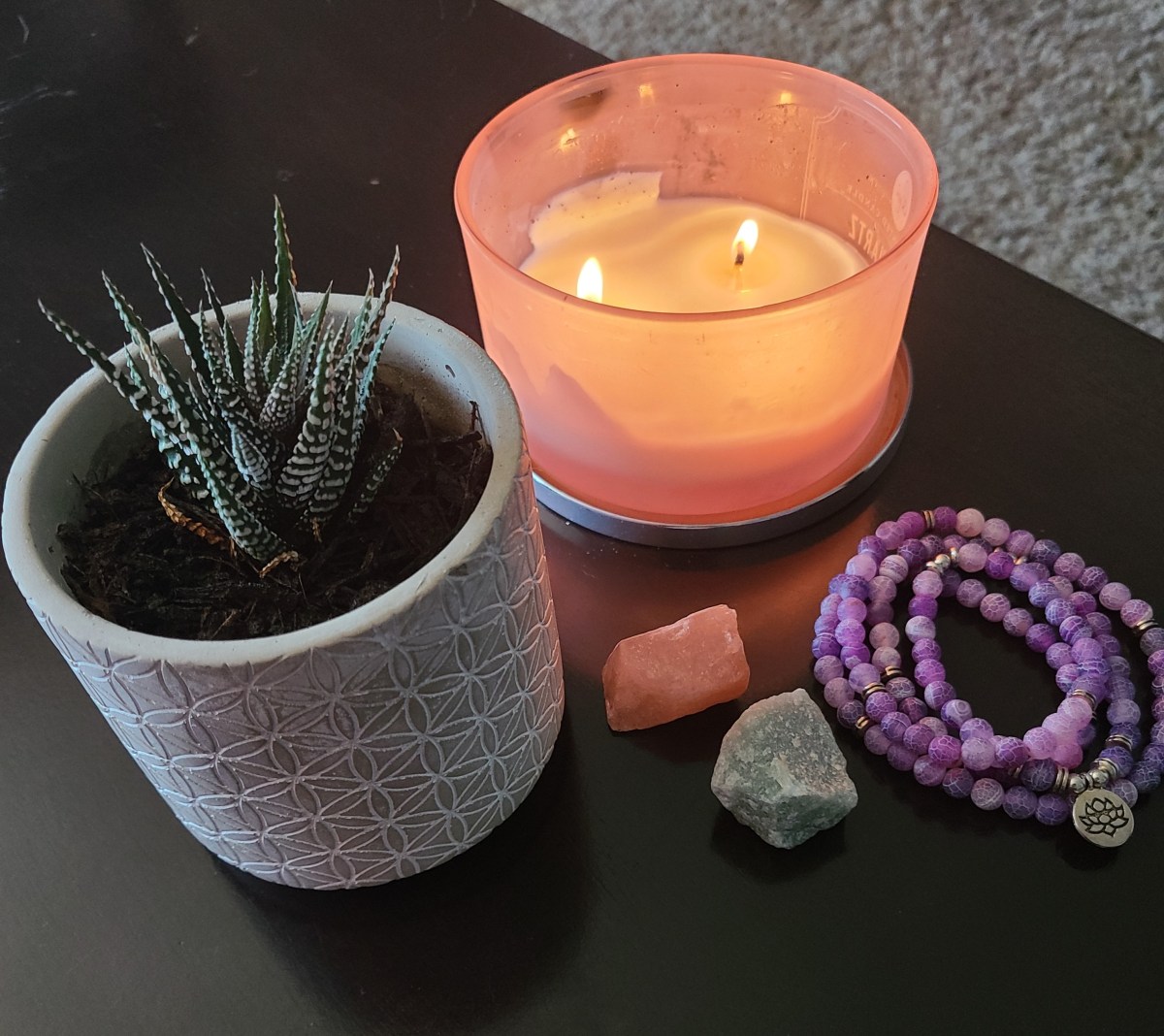
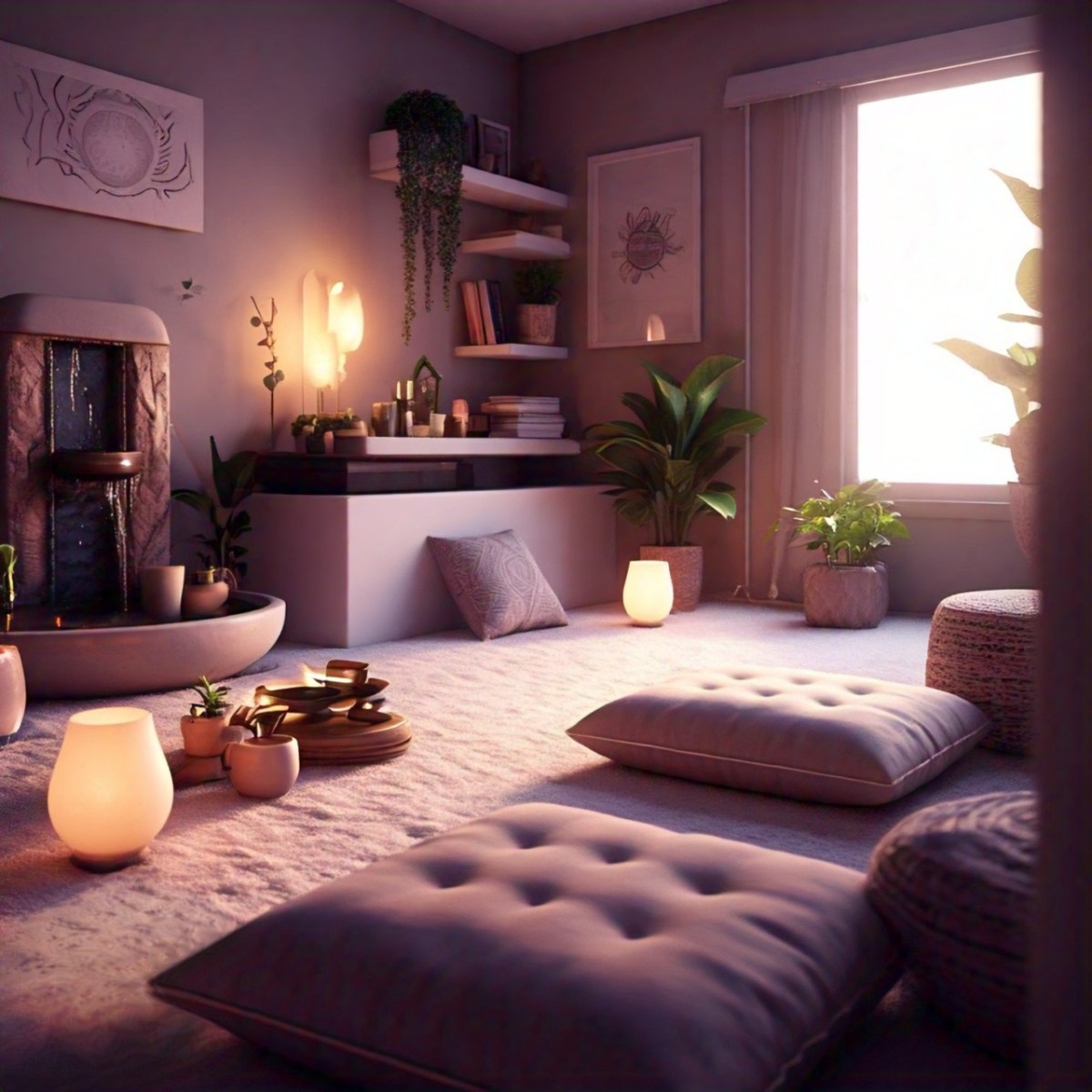
I would also like to go ahead and point out that you do not need a fancy mat or cushion from Target, or special beads, singing bowls, socks, or anything else to start a practice. Just you sitting on your bed, couch, or floor is absolutely acceptable. You can do it in clothes you already have and without any cute gadgets. Once you decide to stick with it, if you then want to purchase some items then that is totally up to you. Just do not let the Pinterest perfect aesthetic of meditation hold you up from starting.

Meditation is a great habit to add to your daily life and has incredible benefits for something so inexpensive and not too time consuming. Starting even with just five minutes is a big step in the right direction. Start and then build on that habit, and watch your day to day become calmer and more serene. I hope you find this habit as beneficial and life changing as I have. Thank you so much for reading along and if you have any comments or questions I would love to read them!

Pursuit, Plants, Serenity.