Building Confidence: A Guide to Stepping Out of Your Comfort Zone 


Have you ever felt stuck in a rut, unsure of how to move forward? Maybe you’ve noticed that self-doubt creeps in whenever you think about trying something new. You’re not alone. Many of us struggle with staying in our comfort zones because it feels safe, predictable, and familiar. But here’s the truth: real growth happens when we step outside that zone. Confidence isn’t always something you’re born with—it’s something you build by taking action, even when it feels uncomfortable. 

In this guide, we’ll explore how to break free from self-doubt, embrace discomfort, and build the confidence you need to achieve your goals. Let’s dive in. 


Why Staying in Your Comfort Zone Holds You Back 

Your comfort zone is like a cozy bubble. It’s filled with routines, habits, and situations that feel safe and predictable. But here’s the catch: staying in that bubble limits your perspective and keeps you from growing. Without stepping out, you’ll never gain the confidence to tackle bigger challenges or reach your goals. 

Think about it: if you avoid trying new things, you’re missing out on opportunities to learn, grow, and discover what you’re truly capable of. The first step to building confidence is recognizing that discomfort is a sign of progress, not a reason to retreat. 


How to Identify Your Comfort Zone 


To step out of your comfort zone, you first need to know where it is. Start by paying attention to the activities and situations that feel the most familiar and safe. These are your comfort zones. 

Ask yourself: 
– What routines do I follow every day? 
– What situations do I avoid because they feel intimidating? 
– What activities make me feel anxious or uncertain? 

If you notice something you consistently avoid, it’s likely outside your comfort zone. That’s a good thing! It means you’ve identified an area where you can grow. 


The Role of Mindset in Building Confidence 


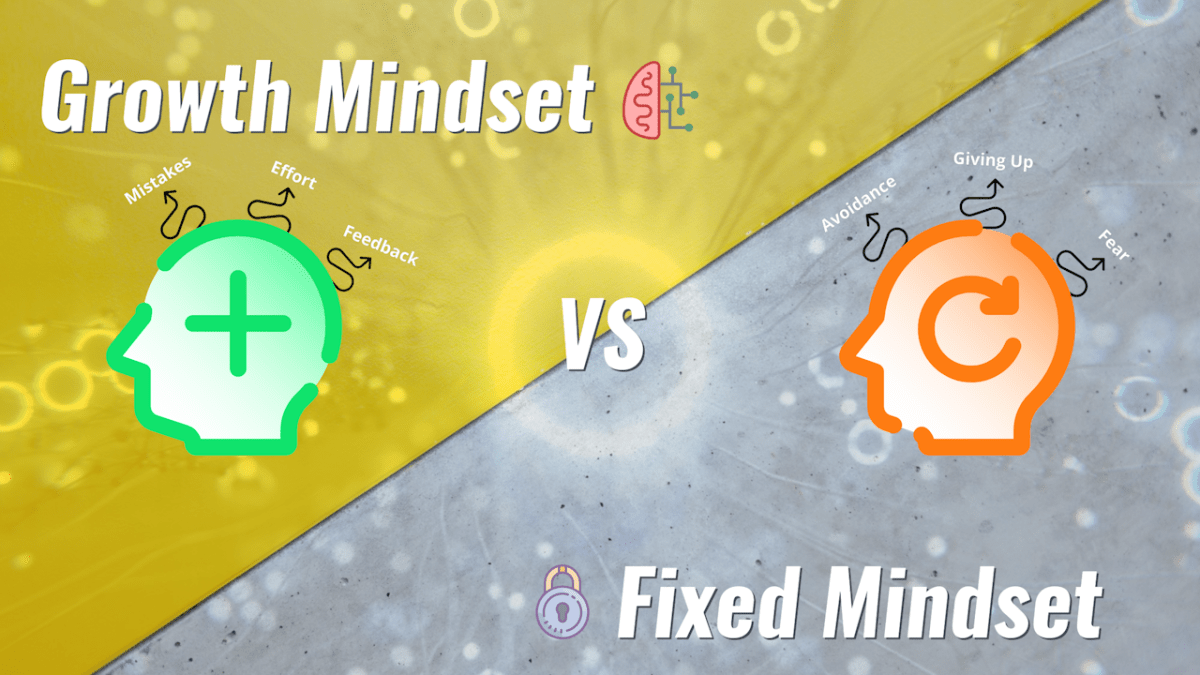
Your mindset plays a huge role in how you approach challenges. A growth mindset—the belief that you can learn, improve, and achieve your goals—is essential for building confidence. On the other hand, a fixed mindset—the belief that your abilities are set in stone—can hold you back. 

Here’s the good news: you can change your mindset. Start by shifting your perspective. Instead of thinking, “I can’t do this,” try, “I can learn how to do this.” This small change can make a big difference in how you approach challenges and setbacks. 


Strategies for Stepping Out of Your Comfort Zone 


Ready to take the leap? Here are some practical strategies to help you step out of your comfort zone and build confidence: 

1. Start Small 
You don’t have to jump into the deep end right away. Start with small changes to your routine. For example: 
– Eat lunch at a new place. 
– Compliment a stranger. 
– Strike up a conversation with a coworker you don’t usually talk to. 

These small steps can help you get comfortable with discomfort and build momentum for bigger challenges. 

2. Acknowledge Your Fear 

Fear is a natural part of stepping out of your comfort zone. Instead of avoiding it, acknowledge it. Recognize that fear is often a sign that you’re about to do something meaningful. 

3. Embrace Failure as a Learning Opportunity 
Failure is not the opposite of success—it’s part of the journey. Every time you fail, you learn something new. Celebrate your failures as opportunities to grow and improve. 

4. Find a Role Model 

Look for someone who’s already doing what you want to do. Study their journey, learn from their experiences, and use their story as inspiration. 

5. Build a Support System 

Surround yourself with people who encourage and support your growth. A strong support system can help you stay motivated and accountable. 

6. Take Action 
Learning is important, but action is what leads to progress. Take what you’ve learned and put it into practice. Whether it’s trying a new recipe, starting a podcast, or learning a new skill, take actionable steps toward your goals. 


7. Explore New Places 
Go somewhere you’ve never been before. It doesn’t have to be far—just a new city, restaurant, or event. Experiencing new environments can give you fresh perspectives and help you grow. 


How to Stay Consistent 


Consistency is key to building confidence. Here’s how to stay on track: 

1. Celebrate Small Wins: Acknowledge and celebrate every step forward, no matter how small. 
2. Journal Your Progress: Write down your achievements and reflect on how far you’ve come. 
3. Stay Curious: Keep learning and exploring new things to maintain momentum. 
4. Surround Yourself with Like-Minded People: Spend time with others who are also pushing their comfort zones. 


Final Thoughts: Take the First Step 

Stepping out of your comfort zone isn’t easy, but it’s worth it. Every time you take a risk, you’re building confidence, gaining new perspectives, and moving closer to your goals. Remember, growth happens outside your comfort zone. 

So, what’s one thing you’ve been wanting to do but haven’t yet? Take that first step today. Whether it’s trying a new activity, starting a conversation, or exploring a new place, embrace the discomfort and see where it takes you. 

You’ve got this. The journey to confidence starts with a single step—take it now.

That’s all for now 🙋

-Caelin Plants
Growth Mindset VS Fixed Mindset

What is mindset? 🧠

Mindset is a set of beliefs and assumptions about yourself, your life, and the world around you.

Basically mindset is how you perceive everything that is going on around you in your life. Most importantly mindsets can be changed, this is good news because our mindset influences everything you do. That includes your habits, your reactions, and your success with goals.

Stanford psychologist Carol Dweck identified two different types of mindsets, a fixed mindset and a growth mindset. A fixed mindset is the belief that your abilities and fixed traits cannot be changed or altered. A growth mindset is the belief that your talents and abilities can change and develop over time through effort and persistence.

If you are looking to achieve a growth mindset then hopefully that means you believe you can change your mindset and habits (which is true!), so let’s talk about how we can do that.

Building a growth mindset does not happen over night, it takes time and commitment to change the way we think. It will not be linear growth, so be patient with yourself and remember you can always change your habits, and the way we think is a habit!

8 tips on how to achieve a growth mindset: ⬇⬇⬇👀

1.) Start viewing challenges as opportunities to grow 📈

Challenges are always a great time to learn and grow from what you are going through. A new challenge can be scary, but after you face that fear it passes rather quickly. The only way past is through, and on the other side of it is everything you want. It won’t be as scary after you do it a few times.

2.) If you are not failing you are not learning 🚦

Failure is part of learning, it just has to happen in order for you to grow. I know that is frustrating (especially for people with perfectionist tendencies). There is this terrible stigma around failure, but that is the cost of entry. Failure is learning and learning is growth, so if you want to grow you must make friends with failure. Change the way you think about failure, and it’s almost guaranteed that you will reach your goal.

3.) Ask the right people the right questions 🙋‍♀️

Find someone that has what you want and ask for criticism. This does not have to be somebody that you know, it can be a mentor, coach, community leader, or just someone doing what you want to be doing. This person needs to actively be going in the direction you want to go, or achieving the things you want for yourself. Instead of looking at that person and feeling jealous, you need to ask questions. Get comfortable recognizing the areas you are struggling in and have people tell you how they got past those struggles. Feedback is so valuable if it is coming from a good source, you just have to be willing to take it and apply it.

4.) Put in the effort 💪

Instead of focusing on the negative thoughts, just get in the reps! If you are thinking to yourself how poorly things are going, and you are complaining and talking about how bad you are doing then this is for you. When those thoughts pop up, acknowledge them, and then put in the work. Bad at writing? Find some free writing prompts and practice. Bad at cooking? Hop on Pinterest and find some easy recipes to start with. Bad at Sewing? Joanns has free patterns and online classes you can take to get better! See where I am going with this? You may not be able to do it yet, you just gotta get those reps in.

5.) Growth is a process ✨

Growth and learning are not a destination, they are a process. You will never be done learning or growing, there is no finish line to get to. Having a growth mindset is a forever journey, that is the whole point. You can always get better, or improve a skill, learn more, or grow as a person. This can be fun if you have a growth mindset because the game never ends. Instead of looking at this process and thinking “I’m not there yet”, realize that there is nowhere to be. The only goal is forward progress, always and forever forward progress.

6.) Write down your goals 🖊

Research has show that writing down your goals increases the probability that you will reach them by up to 42%. The link to the study can be found Here. What I like to do is write down the main goal and then break it up into mini goals. This helps to make each goal more digestible and more easily achieved. So your larger goal is not so daunting and you can work towards it in steps. I would not suggest having more than three large goals at once, otherwise it may still become overwhelming. Once you see the progress happening with your mini goals you will be much more likely to continue on toward your main goal.

7.) Put yourself around people that emulate your goals 🤝

Your habits, thoughts, and actions are massively influenced by the people you spend the most time with. Putting yourself around people who have similar goals or are on a similar path will increase your chances of reaching your goals. If one of your goals is to read more, then join a book club. If one of your goals is to run a marathon, join a community running group. This will help you to pick up tips, ideas, and information that will benefit you and expedite your progress. People that share your goals will share insight and help you to develop the mindset it will take to achieve what you are setting out to do.

8.) Become more self aware 🤩

Self awareness is one of the largest obstacles on the path to a growth mindset. You have to know where you are in order to know where you should go. The best way I have found to really understand where I am in a process is to crack open a journal and ask myself some questions! Take about twenty minutes and get very honest with yourself about where you are right now. Are you open to new experiences, people, and habits? Are you closed off to new ideas or challenges? Are you confident in your ability to learn new skills, or does that make you feel anxious? These are the types of things you need to ask yourself. What we are looking for by doing this exercise is a side by side comparison of where you are right now, and where you would like to be. Set growth goals and also set a time frame for yourself. This will assist you to be more open with yourself about what exactly needs to change and what the next step should be.

Book recommendation:

The PMA Effect by John Joseph is one of my all time favorites. It is packed full of great information, exercises, and actionable steps to be able to get a head start of all of this. I read this book every year and I always take something new away from it. My personal copy is filled with sticky notes marking my favorite ideas, thoughts, and exercises. I would highly recommend getting a physical copy if you are a note taker like me!

That’s all for now, thank you so much for being here. I truly hope this was helpful to you, and I wish you luck on your journey.

Caelin 🤙

How to Achieve Personal Development

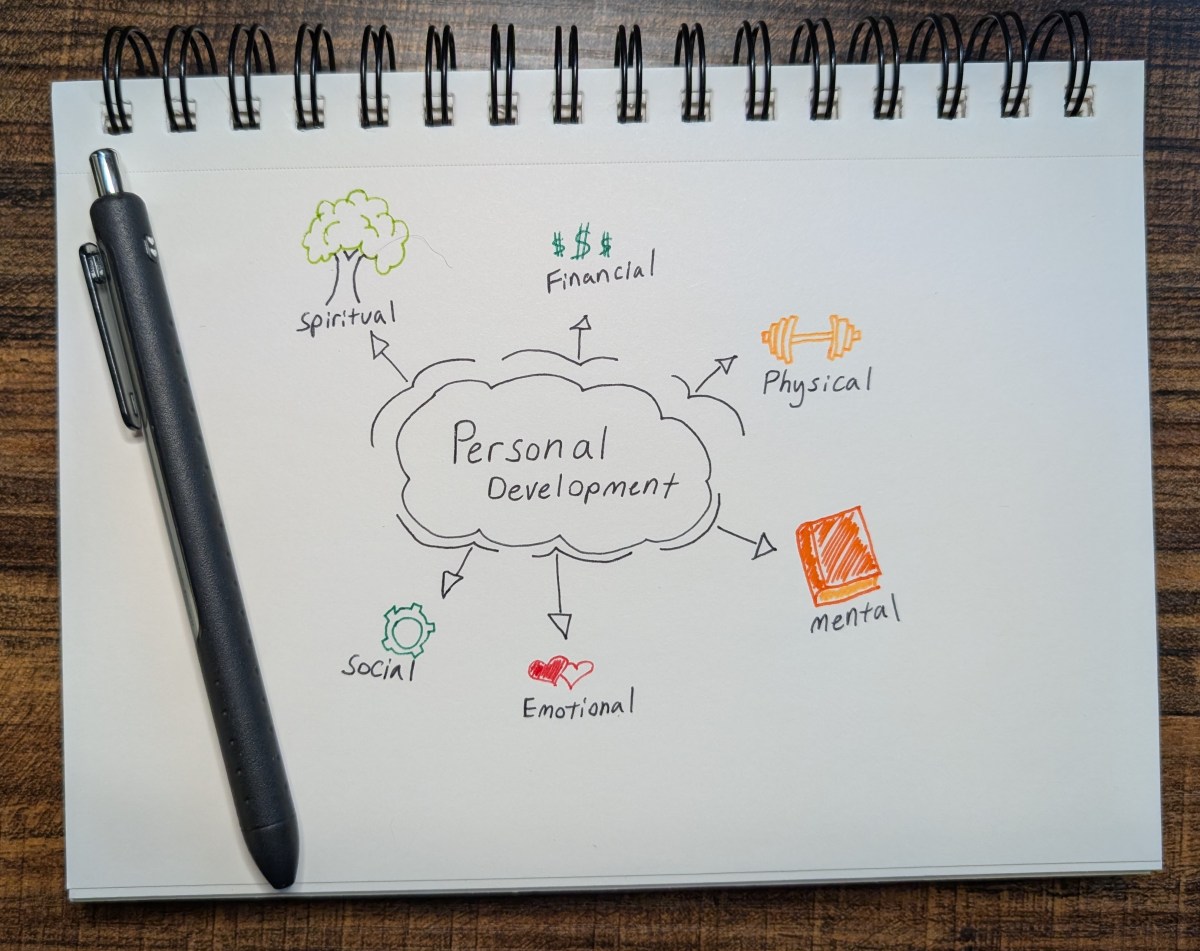
Personal development is a very broad term that consists of many actions and habits. Under the personal development umbrella you can find many topics ranging from language learning and reading, all the way to some major changes like sobriety and dietary shifts. There are six pillars that that we can break all of these topics up into so that your personal development journey can begin today!

First let’s define personal development, since this is such a broad term. The description that I have seen the most is this, personal development is: a process of activities that help people improve their skills, potential, and quality of life.

Where do we start? Take a look at the six pillars that personal development can be categorized by.

1.) Physical 💪

Physical development encompasses exercise, nutrition, sleep, and hygiene. To obtain growth in this pillar you can start by stretching in the morning and doing a short and light workout. Meal plan and work to incorporate better eating habits that make your body feel nourished and energized. Ensure that you are getting a good amount of quality sleep, this is different for everyone. Take the time to care for your body, this can look like going to regular doctor and dental appointments, getting a hair trim, and having a morning and evening routine for personal hygiene.

2.) Mental 🧠

Mental development is about improving your mindset and cognitive function. You can start by working on becoming self aware and getting familiar with how your actions affect your life. Some good habits to improve this pillar could be furthering your education, for example taking a free library class online, reading books, doing puzzles, trying meditation, and generally challenging your brain. Another great place to start is by setting up a few appointments with a therapist so that they can help you to sort out the more complicated road blocks you may encounter.

I really recommend books, books, and more books! 📖📚

3.) Emotional 💕

Emotional development includes learning to understand, express, process, and manage emotions. Emotions are often complex, and becoming familiar with how to handle your own emotions can be very freeing. You can start this process by becoming more aware of why you are having these emotions. Work on responding instead of reacting, and becoming more empathetic and understanding towards others. Mindfulness is a wonderful way to achieve these things. The practice of mindfulness will help you to improve self awareness, self regulation, empathy, and gain freedom from negative thoughts and judgments.

4.) Social 🙋‍♀️

Social development means gaining skills to interact with others in a healthier way. Self confidence plays a big role in this pillar. Being able to perceive and respect others will help you with social skills. Comfort in self expression and communication are great places to start. Being a good communicator and listener is beneficial in social setting as it will make you and your peers feel engaged and comfortable. Communication skills can include things like body language, speaking clearly, problem solving, avoiding interrupting, and awareness of social cues.

5.) Spiritual 🧘‍♀️

Spiritual development can be improved by connecting better to the world around us and also to our inner selves. I know this can sound kind of “woo woo” – just hear me out! You don’t have to do anything you are uncomfortable with, just do what works for you. A good place to start could be meditating a couple times per week, starting a yoga practice, being more present, and practicing gratitude. You can also try spending some time in nature or getting involved with your community. Any or all of these activities are likely to make you feel more connected and purposeful, which is the goal of spiritual growth.

6.) Financial ✅

First let me say that I am totally empathetic to the fact that everyone is in a different place financially. We all have different lives and different circumstances. That being said, the goal we are setting here is to better our financial management and make sure needs are met. Starting small could look like assessing your current financial situation and tracking your finances closer. after that you can start making a financial plan, budgeting, putting money into an emergency fund, saving, or paying off debt. You can start where ever you feel comfortable and where your personal situation allows.

I would like to highlight that in order for growth to happen we need to have an open and willing state of mind. You have to be okay with changing your habits, skills, time allocation, and mindset. If you are willing to do that then you can do just about anything!

Here is a quote I like from Brazilian lyricist and novelist Paulo Coelho –

” One day or day one”

Thank you for reading, have a loving and peaceful week!

Caelin 🤙