Mood-Boosting Foods to Add to Your Grocery List

One of the simplest ways to improve your mood is to prioritize a healthy diet. A healthy diet nurtures a healthy gut, this is important because of your gut microbes. The microbes in your gut produce neurotransmitters such as serotonin and dopamine when you eat nutritious foods. Neurotransmitters like serotonin and dopamine are best know for regulating and boosting not only our mood, but also our concentration. Nutrition psychiatry studies have found direct correlations between our diets and mental health.

Serotonin is not only responsible for making us feel happy and calm. This neurotransmitter is essential for our central nervous system development and function. It assists with our hormonal, autocrine, paracrine, and endocrine functions. So where is most of the serotonin produced in the body? You may be surprised to find out that only about ten percent is produced in your brain, and the other ninety percent is produced in your gut.

The science behind it:

Foods containing mood boosting nutrients like Zinc, Folate, Magnesium, Potassium, Vitamin C, Fiber, Iron, B Vitamins, and Omega-3 fatty acids help us to have energy, clarity, and reduce anxiety and depression throughout the day.

In contrast, foods high in fat, sugar, and salt (processed foods) are associated with increased anxiety and depression. These types of food can also make us feel lethargic and like we have brain fog.

Let’s get to the good stuff! Here are seven foods that will help boost your gut health and your mood –

1.) Dark Chocolate

Dark chocolate contains amino acids and weaker stimulants that can help improve our mood. These components of dark chocolate are known to produce both serotonin and dopamine, this helps us feel happier and can act as a defense against feelings of depression. Dark chocolate also has a high amount of Iron and flavonoids, making it great for decreasing inflammation and promoting healthy red blood cells.

2.) Blueberries

Blueberries are high in fiber, vitamin C, K, manganese, and potassium, making them great for lowering blood pressure, preventing heart disease,improving memory, and aiding in exercise recovery. Berries are rich in antioxidants, which also may help reduce depression symptoms. A diet high in fruit and vegetable intake is known to improve mental health. Blueberries in particular are being studied more for there potential ability to protect against cognitive decline that happens as we age.

3.) Avocado

Avocados contain Choline, a nutrient that your brain and nervous system use to regulate memory, mood, and muscle control. The mono-saturated fat found in avocados not only helps to maintain healthy cholesterol levels, but also has been found to help reduce anxiety specifically in women. Avocados are also high in B vitamins which help your body to make energy and lower stress levels.

4.) Spinach

Spinach is a significant source of vitamins K, A, and C, which promote healthy blood, normal vision, immune health, and muscle growth and recovery. It is also an excellent source of Folate as well. Spinach also contains high levels of Iron, Potassium, and Magnesium, we really should all be eating way more spinach!

5.) Green Tea

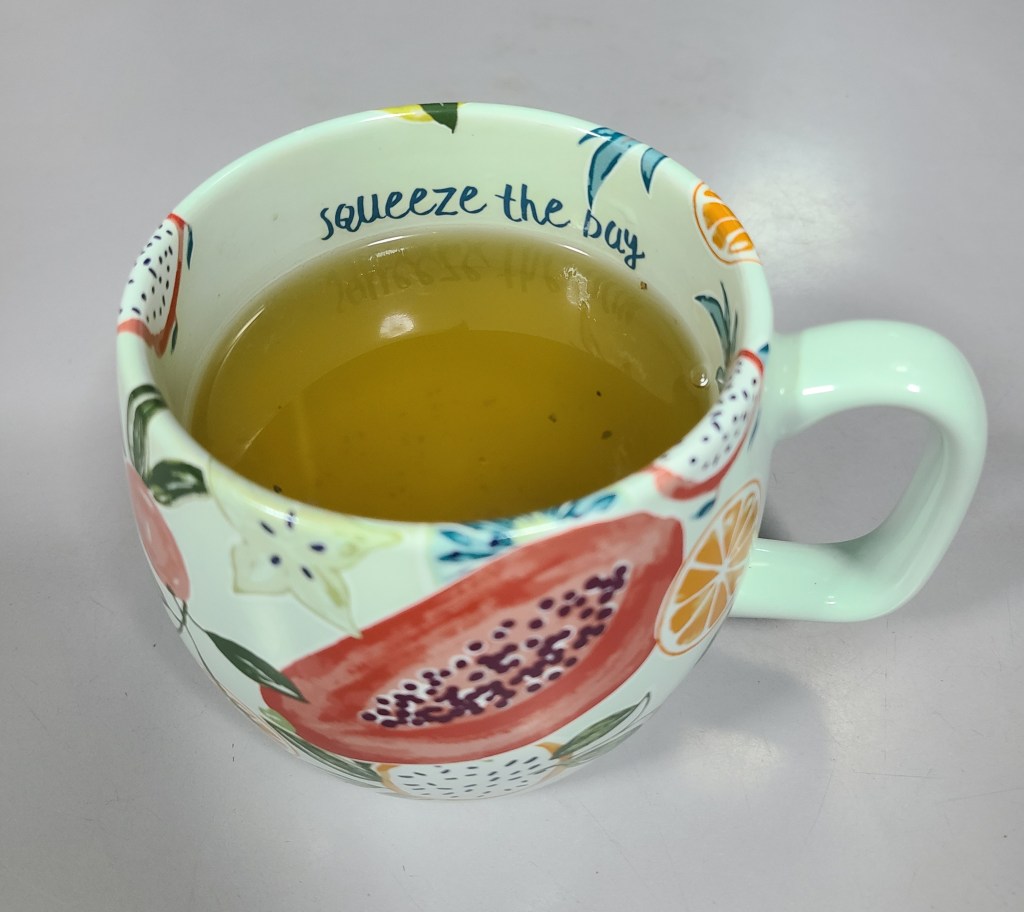
The amino acid Theanine found in green tea leaves helps to calm the mind and keep stress levels down. Theanine has also been found to reduce overall anxiety. Green tea is also high in antioxidants which may help to prevent and repair cellular damage. It may also help to reduce inflammation, decrease cognitive decline, and even protect against cancer and heart disease.
6.) Bananas

Bananas are especially rich in vitamin B6m which your body needs to create serotonin. One medium banana contains about 0.4 mg of vitamin B6 (about 25% of the daily recommended intake). Bananas are also a good source of Potassium, Magnesium, and fiber making them beneficial for digestion, and heart health. They are a good source of energy for the body, promote muscle function, and also contain antioxidants.

7.) Mushrooms

Mushrooms contain a lot of vitamin D, which has been shown to have impressive antidepressant qualities. Mushrooms are also one of the best sources of Selenium, a mineral that helps your body make antioxidants that can reduce cell damage. They also contain vitamins B2, B3, B5, and B9 (also known as Folate). B vitamins are essential for cell growth and formation, making mushrooms a very healthy food option!

Some thoughts on nutrition –

No one food is going to be a magical cure all, however making healthy dietary decisions daily will provide positive benefits for your physical and mental health. It is important to keep in mind that a healthy diet paired with exercise is the best way to reduce our risk of chronic diseases. Worldwide the most common noncommunicable diseases in order are cardiovascular diseases, cancer, chronic respiratory diseases, and diabetes related diseases. A healthy diet and regular exercise is the best way to prevent all of these conditions.

Thank you so much for reading, and I wish you nothing but health and happiness.

Pursuit, Plants, Serenity
Top 5 Journal Prompts I Use

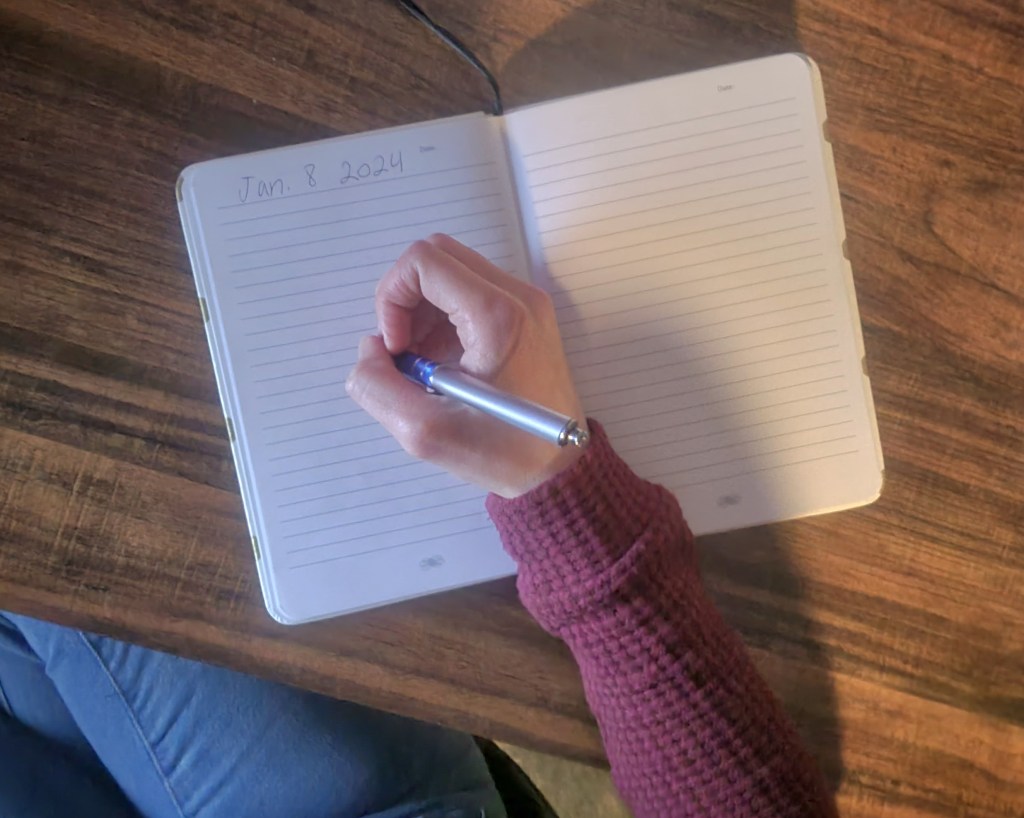
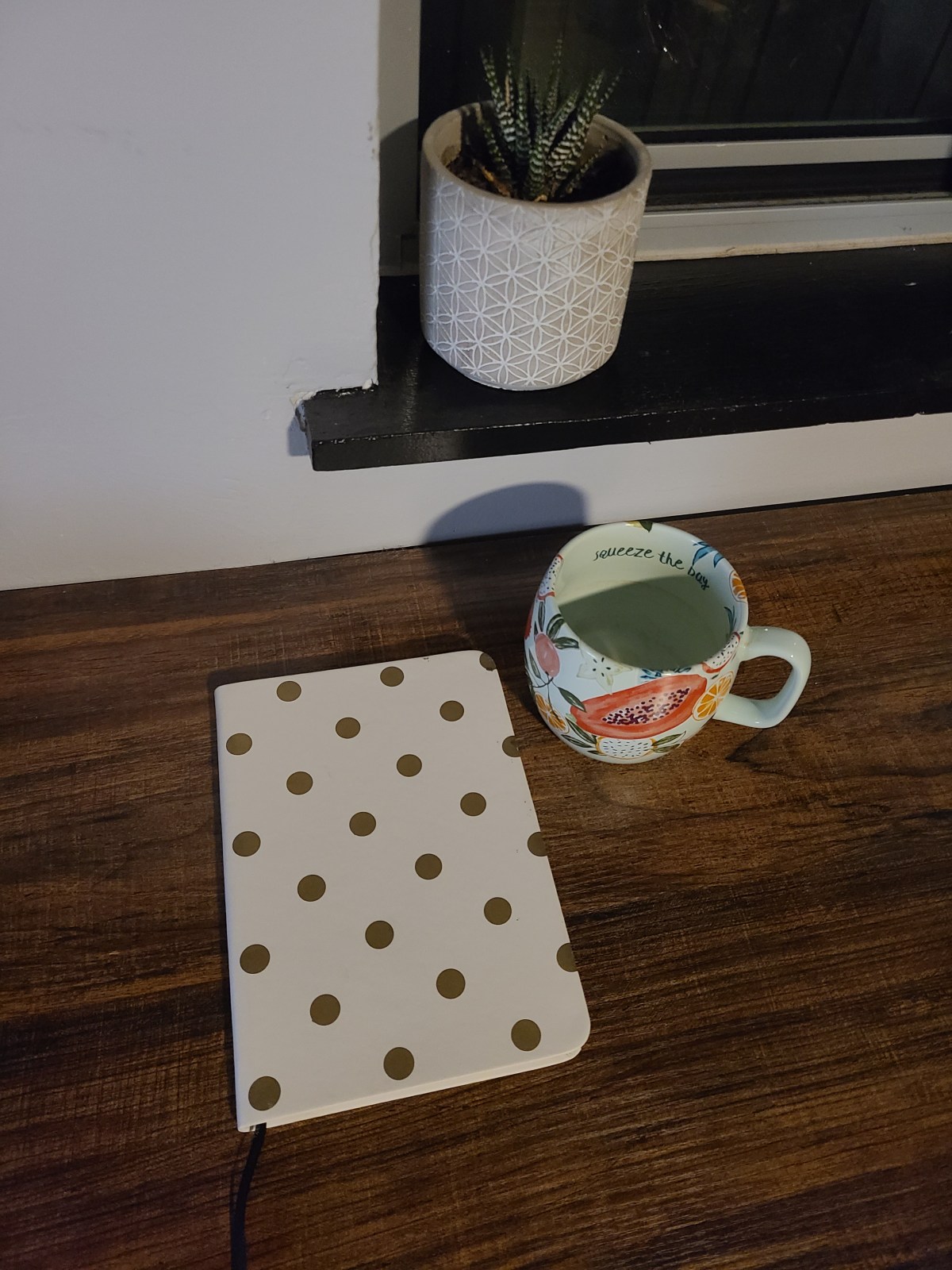
Writing in a journal everyday may sounds overwhelming, it did to me when I first started incorporating it into my daily routine. It does not have to be a perfect masterpiece, you are not writing the next New York Times best seller. The key to starting a daily journal is to just write something, anything, just brain dump into your journal. Seriously, that is what I did (and still do) every morning, and sometimes before bed as well. Take three or five minutes and just write down whatever is on your mind. This will have a couple of benefits for you. One, it will allow you to get those thoughts out of your brain so you do not feel like your mind is racing. Two, it will help you to organize you thoughts and let you have a clear vision for the day ahead.

Why I started writing in a journal

I first started writing in a journal after listening to some great videos about having a clear mind. My thoughts were always racing, to the point where I could not keep anything in or out of my brain for very long. I was chasing thoughts around all day long trying to remember this or make sure I told so and so that. Then when I tried to sleep at night it was the same thing. My brain trying to make a to-do list, and thinking about all the things I did not get done that day, and everything I had to get done the next day. It sounds exhausting, and it was. Finally, I decides to take this mans advice and just start writing things down.

What I started to write

I did not just write down your average to-do list or schedule for the day. I wrote down thoughts that I just wanted out of my brain. Things I knew I was not going to forget, but just could not stop thinking about. For example “my dogs nails are too long, I can hear them clacking on the tile and he has a grooming appointment on Saturday, but I just can not stop thinking about it”. This is actually a sentence I wrote in my journal so that I could stop that constant thought of my dogs nails needing trimmed. It really helps to just write it down. When you write these things down, it gives your brain a sense of being heard. You know it will be taken care of and that you can stop reminding yourself about it every hour.

How this has helped me

This has given me so much peace internally and externally as well. I am no longer speed walking around the house with a toothbrush in one hand and a TV remote in the other, wondering why I am holding these things when I am trying to start a load of laundry. I can go through my daily routines and check things off my list, or actually sit down and relax. I think of my journal as my second brain, once it is in the journal I do not need to think about it anymore. This also impacts the people around me, especially those that I share a home with. When I get anxious and overwhelmed, I give off that energy to others as well. Now, more often than not, I am relaxed and calm in my home. I can share that feeling with my loved ones, and give them a feeling of peace as well.

Do not have expectations

There is no wrong way to journal, so don’t go into this putting unnecessary pressure on yourself. Maybe you write one sentence, maybe you write two pages, both are correct and perfect. The goal here is to make you feel better, as long as that happens, you are doing it right. Please try to avoid comparing your journal practice to how other people journal, or your perception of how other people journal. It does not need to make sense to anyone else, or be poetic, or aesthetically pleasing. Make it sloppy and illegible, use a pen and then a pencil, it truly does not matter.

My current journal routine

As stated before I do write every morning to brain dump before I start my day. I have added some other types of journal writing to my routine in the last year or so. I now look for good prompts that are applicable to my current situation. For instance, since it is the first week of the year I have done a few prompts on year planning, goal setting, and yearly review. This helps figure out where I am at with my goals, how I want my year to look, and how I can go about getting there. I would highly recommend searching for prompts that are in line with whatever you have going on in your life. You can search for prompts about parenting, moving, recovery, just about anything you can think of there is a journal prompt for. Do them as often as you need, or schedule them, completely up to you. Again, this is all about making your life more peaceful.

Top 5 prompts I would recommend

Okay, here we go, here are my top 5 journal prompts that have given me the most insight.

  • What does your ideal day look like?

This one needs to be very specific, start from the time you wake up and end with right before you go to sleep. What do you do all day? Who are you with? Where do you go? This will help give you an idea of what changes you can make to start having days that feel better to you.

  • What will make the boat go faster?

For this one imagine that you are in a boat trying to get to your goal. The goal could be anything, small or big. For example, you are trying to leave the house to go to a dinner party and then the dog gets sick on the carpet. Now you need to ask “What will make the boat go faster?” or in this case “How can I efficiently take care of this so my evening can get back on track?” You can either get very mad, yell at your dog, rush around the house to grab cleaning supplies, snap at your spouse, and then have a tense and silent car ride to the party. Option two, you can calmly ask your spouse for help to get the dog outside so that you can grab the cleaning supplies, then work together to clean the mess and have a nice conversation about what a good team you are on the way to the party. Which one do you think will make the boat go faster?

  • What would the ideal me do?

If you are struggling with how to handle a situation this is a great one! Can’t decide how to respond to a message? Trying to write out a healthy meal plan? Deciding whether to binge Netflix or go for a walk? Ask yourself, what would the ideal you do, whatever that version of you looks like in your head. This can also be a great prompt for life planning, what does your ideal you look like in ten years?

  • Fears, fixes, and the outcome I would bet on

This one is as easy as it sounds. Whatever problem you are dealing with, write down what scares you about it, what the possible fixes could be, and what you think the most probable outcome will be. Emphasis on “most probable”, this will help make that big mountain in your head turn into a mole hill.

  • Gratitude list

Last and absolutely not least is a gratitude list. This always feels silly and always turns my sour moods right around. If you are in a funk, writing down the things in life you are grateful for will make you feel better almost one hundred percent of the time. It can be anything, your dog, your car, your job, or a friend. Being grateful is a big step to having peace in your life.

Conclusion

Writing everyday has really changed my life for the better. I did not think it was going to have the profound impact that it has. My entries have gotten more intentional and thought out over time, but to start they were just ramblings. That is totally okay, just let the words come and don’t overthink it. If you need inspiration look for a prompt, but you likely won’t need one most days. I really hope that you give it a try, and if you do I hope it helps to clear your mind.

Thank you for reading, and I truly hope you got some use out of my ideas and experiences.

Pursuit, Plants, Serenity

Change Your Brain With Meditation

I started a meditation practice a few years ago during the COVID lock down. My (then boyfriend, now fiance) and I were sitting in a parking garage taking a break from riding around town on our Onewheels. While we sat there he turned on a live stream that Davey Havok had posted, I was partially listening and kind of playing around on my phone until I heard him start talking about meditation. I’m not sure what it was that he said that caught my attention, but I became laser focused. He mentioned that it had become a daily habit for him, and that he had really benefited from doing it. He mentioned the app that he used and at that time given the state of the world I was intrigued about the benefits he claimed.

I had never though too much about meditation, it sounded a little boring and pointless. It made me feel uncomfortable to even think about sitting totally still doing nothing but being alone and focused on my thoughts. At that time my thoughts were chaotic and anxious, nothing I wanted to sit with and give more attention to. I wanted to be distracted from these thoughts, my hope was that eventually they would go away. Now I know that the exact opposite happens, the more you try to push those types of thoughts out, the more frequent and frustrating they become.

When I first started my meditation practice it was difficult and I felt I was not doing it right. My expectation was that I would sit there and be still and quiet and then feel peaceful after a few minutes. I was wrong, it was hard to keep my eyes closed, and harder not to check the time every twenty seconds. I could not make my thoughts quiet down, or focus, or do any of the things that other people talked about when it came to meditation. So I did the thing I normally do and I read a lot of books about it and listened to some podcasts where scientists would talk about what happens to your brain when you have a meditation practice. What I found was that what I was experiencing was exactly what almost everyone else experiences when they first start.

I did not give up and I became comfortable with the discomfort, and better yet I became very patient with my brain. Now a few years later I am still far from perfect at it. I can however sit through the whole practice without opening my eyes, without getting frustrated, without feeling the need to check the clock or rush off to do something else. I do feel peaceful afterwards, and I am so glad I started and stayed with the practice.

So what actually happens to your brain during meditation? Meditation has been found to enable neuroplasticity by improving cognition, attention, and memory recall. Certain types of meditation have also been linked to lowering stress, lowering blood pressure, and even reduced risk of cardiovascular and cancer caused mortality. Those who practice regularly were shown to improve constructive thinking as well as creative thinking. Practicing meditation has also shown to improve overall life satisfaction, mood, quality of life and even help those who are afflicted with chronic stress, depression, and substance abuse. People report that both professional and personal relationships improved after adopting the practice.

Looking even closer at what happens, researchers have found that doing regular meditation increases gray matter in the brain. What does this mean? Coating the surface of most other brain structures is a thin and very important layer of tissue. This layer is called the Cerebral Cortex, the largest brain structure in humans. This tissue accounts for about two-thirds of the brains mass. This is where most information processing takes place and what is referred to as “gray matter”. Folds in the brain add to the surface area of the Cerebral Cortex, the more folds, the larger the brain and the greater the cognitive ability of that brain. Studies have found that thirty to forty five minutes of meditation daily leads to an increase in gray matter.

For me finding out about all of the potential benefits of meditation was enough to give it a try. I personally use the Headspace app and I can not say enough good things about it. After a few months of use I really started to be able to see the benefits in my life. I was less reactive to stressors that happened throughout my day. I noticed myself being more patient with myself and others, I was not so easily would up. Now I look forward to it first thing in the morning and in the evening before bed.

You do not have to pay for a subscription to be able to meditate daily, there are loads of guided meditations for free on YouTube. If you prefer non guided meditation you can always do your own research and start a practice on your own with no guides. There are different types of mediation practices such as Zen meditation, Yoga Nidra, calming, and insight meditation. All have unique benefits, and none of them are right or wrong, it is all about what works for you!

You may even find it helpful to read some books about mediation, or go to a class for your first time to see how the practice is structured. I really do not think there is any wrong way to start or do meditation, as long as you are seeing the benefits and it is leading you to a better quality of life. I will reiterate that it will likely be a challenge at first, and that is perfectly fine. Moving through challenging things is how we evolve and grow, so do not let that intimidate or stop you from trying!

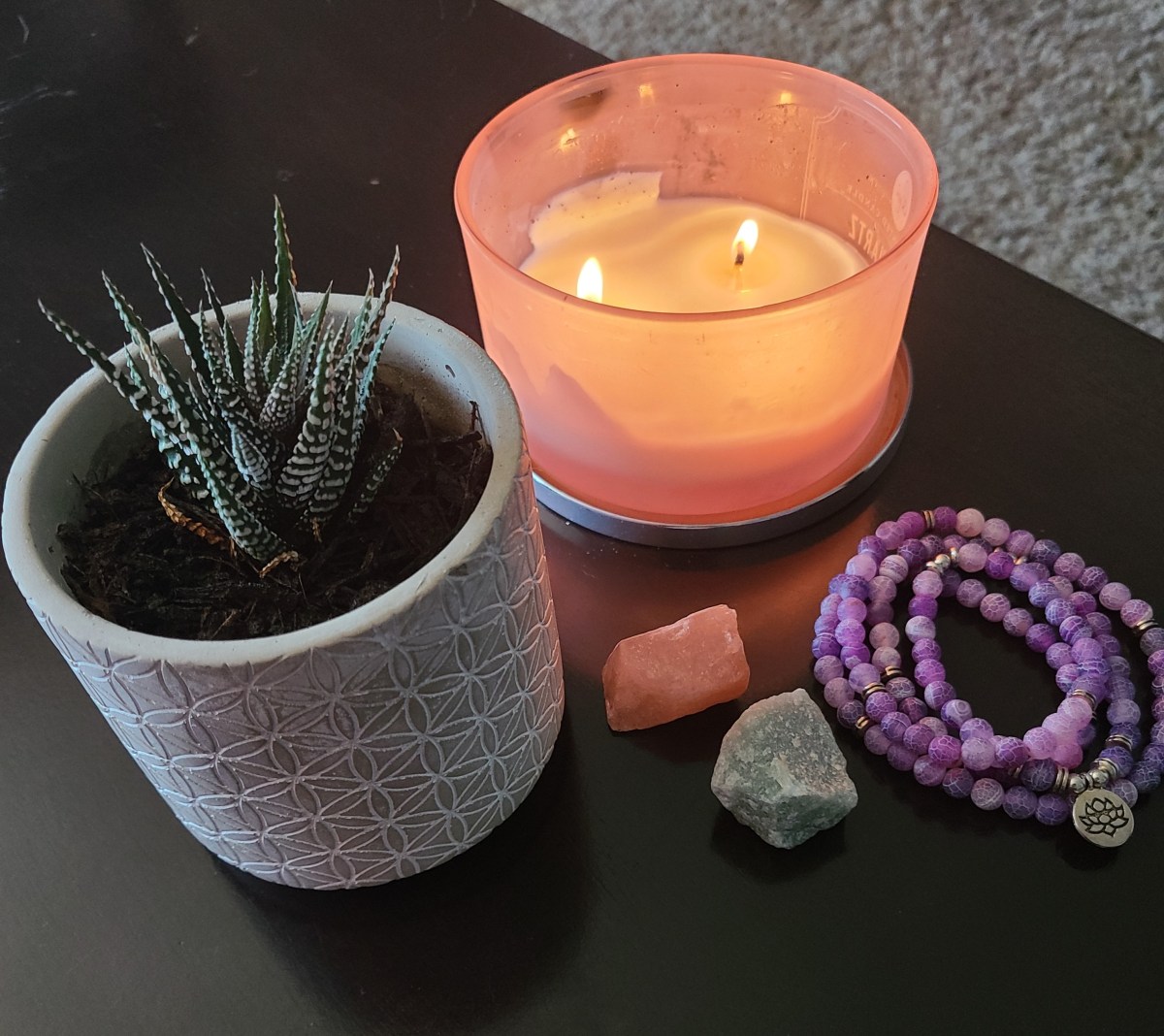
I would also like to go ahead and point out that you do not need a fancy mat or cushion from Target, or special beads, singing bowls, socks, or anything else to start a practice. Just you sitting on your bed, couch, or floor is absolutely acceptable. You can do it in clothes you already have and without any cute gadgets. Once you decide to stick with it, if you then want to purchase some items then that is totally up to you. Just do not let the Pinterest perfect aesthetic of meditation hold you up from starting.

Meditation is a great habit to add to your daily life and has incredible benefits for something so inexpensive and not too time consuming. Starting even with just five minutes is a big step in the right direction. Start and then build on that habit, and watch your day to day become calmer and more serene. I hope you find this habit as beneficial and life changing as I have. Thank you so much for reading along and if you have any comments or questions I would love to read them!

Pursuit, Plants, Serenity.