

Subscribe to continue reading
Subscribe to get access to the rest of this post and other subscriber-only content.
Subscribe to get access to the rest of this post and other subscriber-only content.
Have you ever felt stuck in a rut, unsure of how to move forward? Maybe you’ve noticed that self-doubt creeps in whenever you think about trying something new. You’re not alone. Many of us struggle with staying in our comfort zones because it feels safe, predictable, and familiar. But here’s the truth: real growth happens when we step outside that zone. Confidence isn’t always something you’re born with—it’s something you build by taking action, even when it feels uncomfortable.
In this guide, we’ll explore how to break free from self-doubt, embrace discomfort, and build the confidence you need to achieve your goals. Let’s dive in.
Why Staying in Your Comfort Zone Holds You Back
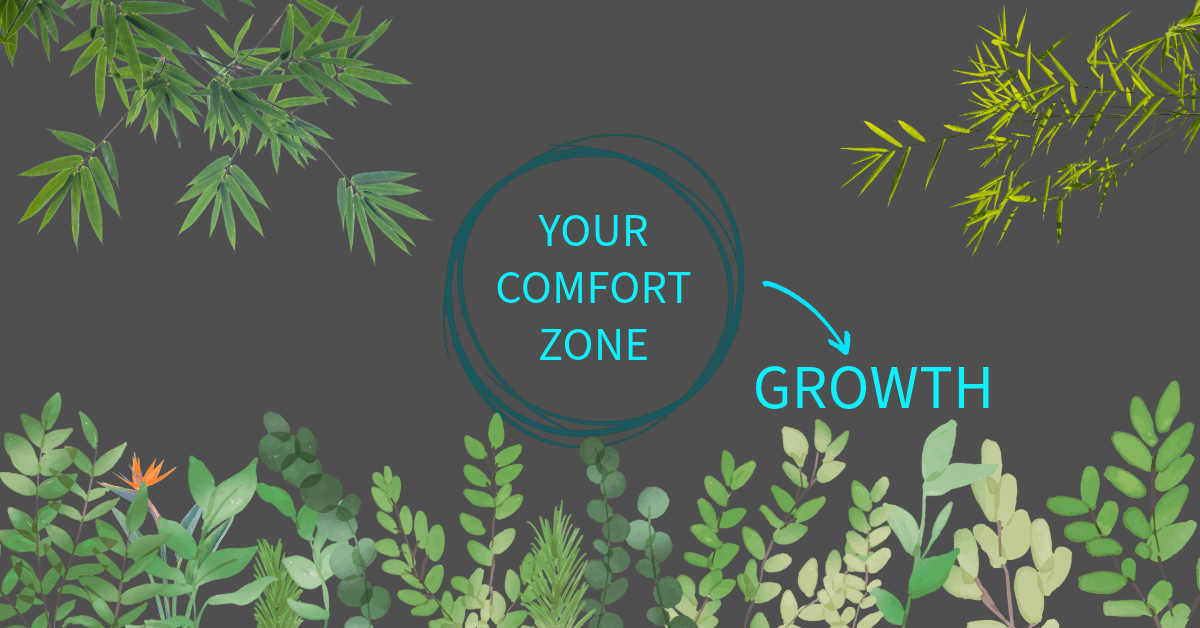
Your comfort zone is like a cozy bubble. It’s filled with routines, habits, and situations that feel safe and predictable. But here’s the catch: staying in that bubble limits your perspective and keeps you from growing. Without stepping out, you’ll never gain the confidence to tackle bigger challenges or reach your goals.
Think about it: if you avoid trying new things, you’re missing out on opportunities to learn, grow, and discover what you’re truly capable of. The first step to building confidence is recognizing that discomfort is a sign of progress, not a reason to retreat.
How to Identify Your Comfort Zone
To step out of your comfort zone, you first need to know where it is. Start by paying attention to the activities and situations that feel the most familiar and safe. These are your comfort zones.
Ask yourself:
– What routines do I follow every day?
– What situations do I avoid because they feel intimidating?
– What activities make me feel anxious or uncertain?
If you notice something you consistently avoid, it’s likely outside your comfort zone. That’s a good thing! It means you’ve identified an area where you can grow.
The Role of Mindset in Building Confidence
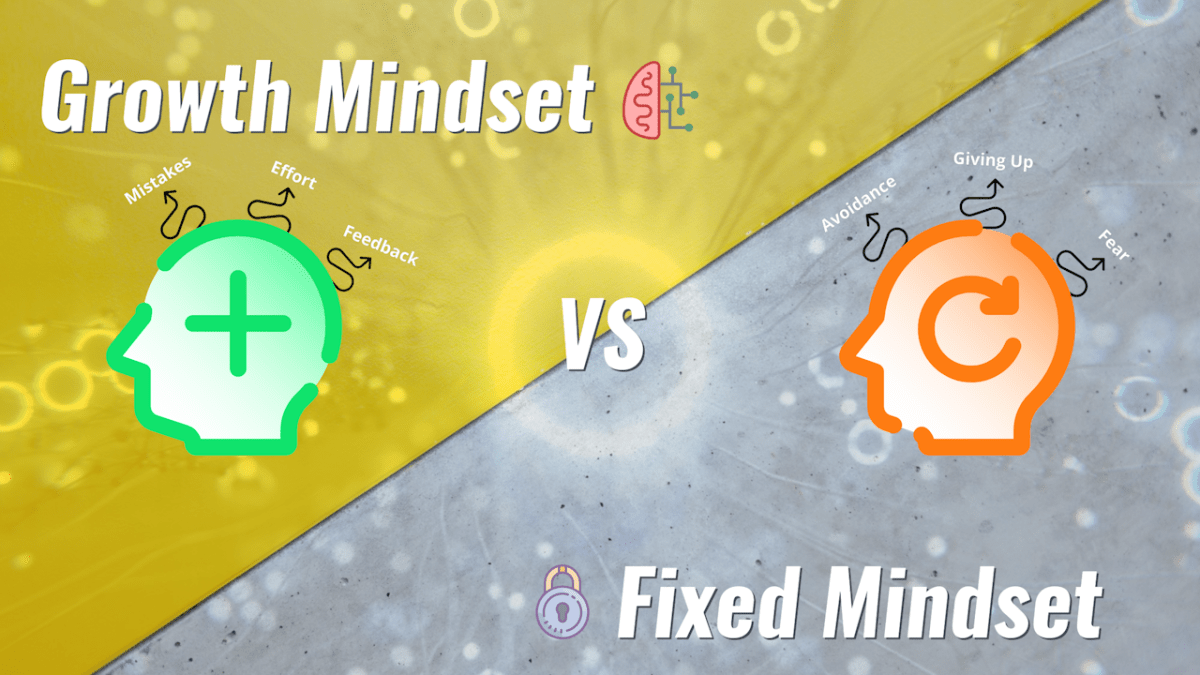
Your mindset plays a huge role in how you approach challenges. A growth mindset—the belief that you can learn, improve, and achieve your goals—is essential for building confidence. On the other hand, a fixed mindset—the belief that your abilities are set in stone—can hold you back.
Here’s the good news: you can change your mindset. Start by shifting your perspective. Instead of thinking, “I can’t do this,” try, “I can learn how to do this.” This small change can make a big difference in how you approach challenges and setbacks.
Strategies for Stepping Out of Your Comfort Zone
Ready to take the leap? Here are some practical strategies to help you step out of your comfort zone and build confidence:
1. Start Small
You don’t have to jump into the deep end right away. Start with small changes to your routine. For example:
– Eat lunch at a new place.
– Compliment a stranger.
– Strike up a conversation with a coworker you don’t usually talk to.
These small steps can help you get comfortable with discomfort and build momentum for bigger challenges.
2. Acknowledge Your Fear
Fear is a natural part of stepping out of your comfort zone. Instead of avoiding it, acknowledge it. Recognize that fear is often a sign that you’re about to do something meaningful.
3. Embrace Failure as a Learning Opportunity
Failure is not the opposite of success—it’s part of the journey. Every time you fail, you learn something new. Celebrate your failures as opportunities to grow and improve.
4. Find a Role Model
Look for someone who’s already doing what you want to do. Study their journey, learn from their experiences, and use their story as inspiration.
5. Build a Support System
Surround yourself with people who encourage and support your growth. A strong support system can help you stay motivated and accountable.
6. Take Action
Learning is important, but action is what leads to progress. Take what you’ve learned and put it into practice. Whether it’s trying a new recipe, starting a podcast, or learning a new skill, take actionable steps toward your goals.
7. Explore New Places
Go somewhere you’ve never been before. It doesn’t have to be far—just a new city, restaurant, or event. Experiencing new environments can give you fresh perspectives and help you grow.
How to Stay Consistent
Consistency is key to building confidence. Here’s how to stay on track:
1. Celebrate Small Wins: Acknowledge and celebrate every step forward, no matter how small.
2. Journal Your Progress: Write down your achievements and reflect on how far you’ve come.
3. Stay Curious: Keep learning and exploring new things to maintain momentum.
4. Surround Yourself with Like-Minded People: Spend time with others who are also pushing their comfort zones.
Final Thoughts: Take the First Step
Stepping out of your comfort zone isn’t easy, but it’s worth it. Every time you take a risk, you’re building confidence, gaining new perspectives, and moving closer to your goals. Remember, growth happens outside your comfort zone.
So, what’s one thing you’ve been wanting to do but haven’t yet? Take that first step today. Whether it’s trying a new activity, starting a conversation, or exploring a new place, embrace the discomfort and see where it takes you.
You’ve got this. The journey to confidence starts with a single step—take it now.
That’s all for now 🙋
-Caelin Plants
The Centenarian Decathlon: A Blueprint for Aging with Vitality
Have you ever found yourself doubting your ability to maintain your physical health as you age? It’s a common concern, but what if I told you there’s a way to not only preserve but enhance your vitality well into your later years? Enter the Centenarian Decathlon, a concept designed to help you set and achieve physical goals as you approach the age of 100. This plan, developed by Dr. Peter Attia, is all about maintaining your independence and health span, ensuring you can continue doing the activities you love.
Understanding the Challenge
As we age, it’s easy to fall into the trap of self-doubt, questioning whether we can keep up with the physical demands of life. The problem is that many of us lose essential motor skills and physical capabilities over time. This decline can lead to a loss of independence and a decrease in the quality of life. By setting specific goals and training intentionally, you can maintain your physical abilities and confidence for many years to come.
The Solution: The Centenarian Decathlon
The Centenarian Decathlon is a personalized plan that involves selecting ten physical tasks you want to be able to accomplish by the age of 100. These tasks are not just about exercise; they encompass functional movements and lifestyle activities that are crucial for maintaining independence. Here’s how you can create your own Centenarian Decathlon:
Step 1: Identify Your Goals
Think about the activities that are important to you. Do you want to continue hiking, playing with your grandchildren, or dancing? Make a list of ten activities that you want to be able to do in your later years. Consider tasks like:
1. Walking a 5K
2. Lifting a third of your body weight
3. Getting up from the floor without assistance
4. Climbing multiple flights of stairs
5. Carrying groceries for several blocks
6. Balancing on one leg for 30 seconds
7. Swimming or getting out of a pool unassisted
8. Practicing yoga or Pilates
9. Riding a bike at a steady pace
10. Engaging in activities like jump rope or trampoline exercises
Step 2: Assess Your Current Abilities
Once you’ve identified your goals, assess where you currently stand. Can you already perform some of these tasks, or do you need to build up your strength and endurance? This self-assessment will help you tailor your training plan to your specific needs.
Step 3: Develop a Training Plan
To achieve your goals, you’ll need a well-rounded training plan that focuses on building strength, flexibility, balance, and aerobic capacity. Here are some strategies to consider:
– Strength Training: Incorporate exercises like push-ups, squats, and weight lifting to build muscle strength. Aim to train each major muscle group at least twice a week.
– Flexibility and Balance: Practice yoga or Pilates to improve your flexibility and balance. These activities can help you maintain a wide range of motion and prevent falls.
– Aerobic Capacity: Engage in interval workouts to boost your aerobic capacity. Try activities like jumping jacks or cycling, alternating between high-intensity bursts and recovery periods.
– Aerobic Efficiency: Include longer, steady-state activities like walking, jogging, or biking at a conversational pace to improve your endurance.
Step 4: Stay Consistent
Consistency is key to achieving your Centenarian Decathlon goals. Make exercise a regular part of your routine, and track your progress over time. Celebrate small victories and adjust your plan as needed to stay on track.
Embracing the Journey
The journey to maintaining your vitality as you age is not just about physical health; it’s about fostering a deeper connection with yourself and making sure you can be around for your loved ones. By setting and working towards your Centenarian Decathlon goals, you’ll build confidence, enhance your self-esteem, and create a healthier, more fulfilling life.
Call to Action
Now that you have a blueprint for aging with vitality, it’s time to take action. Start by identifying your personal goals and developing a training plan that aligns with your aspirations. Remember, it’s never too late to invest in your health and well-being. Embrace the challenge, and you’ll find that the journey is as rewarding as the destination.
By focusing on these strategies, you can overcome self-doubt and build a future where you remain active, independent, and connected to the people and activities you love. So, How will you begin your Centenarian Decathlon and take the first step towards a fit, confident future?
Have you ever felt like you’re not good enough, even when you’re doing your best? This feeling, often called imposter syndrome, can be a significant barrier to achieving your goals. It’s easy to get discouraged and feel like you’re not making progress. But remember, everyone starts somewhere, and the journey is just as important as the destination. 💕
Understanding Imposter Syndrome
Imposter syndrome can make you doubt your abilities and feel like a fraud, even when you’re competent. It’s a common experience, especially when you’re trying to grow and push your boundaries. But overcoming this self-doubt is crucial for personal growth and achieving your goals. 🎯
Recognizing the Problem
1. Self-Doubt: Feeling like you’re not good enough or that others will discover you’re a fraud.
2. Perfectionism: Believing that anything less than perfect is a failure.
3. Comparisons: Constantly comparing yourself to others and feeling inadequate.
Strategies to Overcome Imposter Syndrome
1. Set Clear Goals
Being specific about what you want to achieve is the first step. Break down your goals into smaller, manageable tasks. This makes them less overwhelming and more achievable.
2. Take Action
The best way to combat self-doubt is to take action. Start with small steps and gradually build momentum. Remember, the hardest part is often just starting.
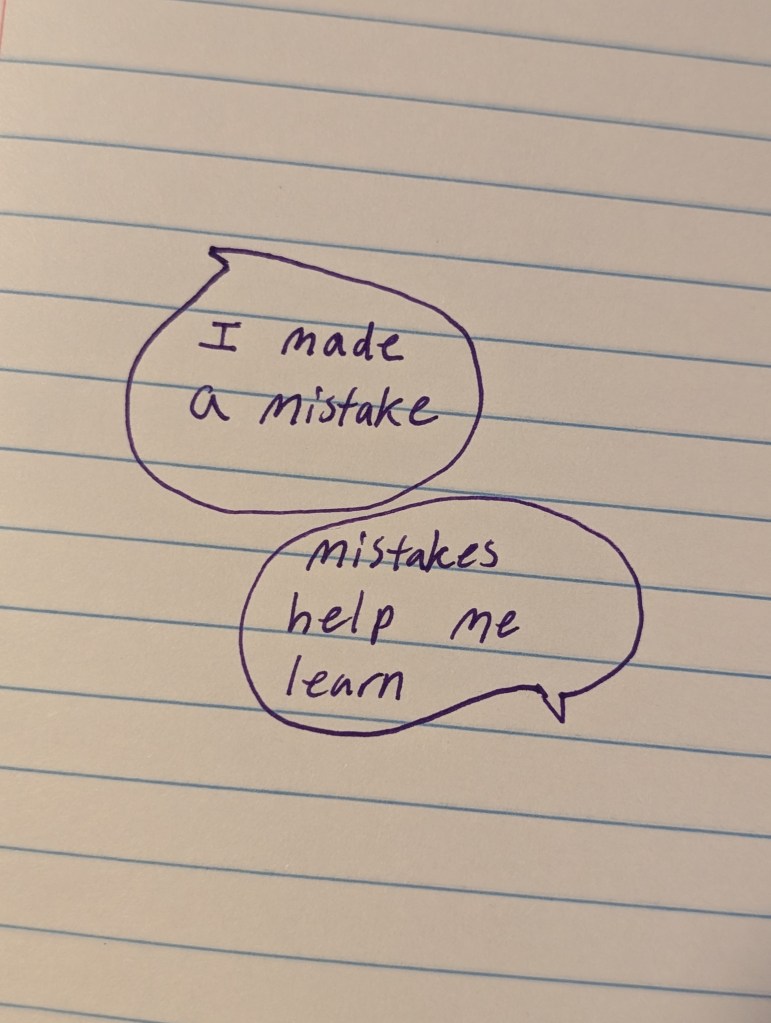
3. Embrace Mistakes
Mistakes are a natural part of the learning process. They provide valuable lessons and help you grow. Don’t be afraid to make them; instead, see them as opportunities to learn.
4. Dedicate Focused Time
Set aside distraction-free time to work on your goals. Use a timer to maintain focus, and avoid multitasking. This helps you concentrate and make meaningful progress.
5. Limit Your Projects
Avoid overwhelming yourself with too many goals at once. Focus on three or four significant projects, and give them your full attention. Once you achieve these, you can add more.
6. Celebrate Progress
Acknowledge the progress you make along the way. Goals are not just about the end result; they are about the journey and the effort you put in.
Building Confidence and Self-Esteem
1. Recognize Your Achievements
Take time to reflect on what you’ve accomplished. This helps build confidence and reinforces your ability to succeed.
2. Practice Self-Compassion
Be kind to yourself. Understand that everyone makes mistakes and that it’s okay to not be perfect.
3. Surround Yourself with Positivity
Engage with people who support and encourage you. Positive influences can boost your confidence and help you stay motivated.
Maintaining a Healthy Mindset
1. Focus on Personal Growth
Engage in activities that promote personal growth, such as meditation, journaling, and reading. These practices can help you connect with yourself and foster a positive mindset.
2. Stay Active
Physical activity is not only good for your body but also for your mind. It can reduce stress and improve your overall well-being.
3. Foster Connections
Build and maintain strong relationships with loved ones. A supportive network can provide encouragement and help you stay grounded.
Conclusion
Overcoming imposter syndrome and achieving your goals is a journey that requires patience and persistence. By setting clear goals, taking action, and embracing mistakes, you can build confidence and grow as a person. Remember, the journey is just as important as the destination.
Start today by setting one small goal and taking the first step towards achieving it. Embrace the process, celebrate your progress, and watch as your confidence grows. You have the power to overcome self-doubt and achieve your dreams.
Thank you so much for reading, I hope this helps you to reach your goals!
Caelin Plants 💜
Have you ever felt the weight of self-doubt holding you back? You’re not alone. Many of us grapple with the fear of not doing things “right,” especially when it comes to new practices like meditation. 🤔 I remember my first attempt at meditating; I was filled with uncertainty and nervousness. I questioned whether I was doing it correctly and worried about feeling bored or missing the point entirely. But through this journey, I’ve discovered that meditation is not about perfection—it’s about finding what works for you. 🌟
Overcoming Self-Doubt with Meditation 🧘♀️
Identifying the Problem
Self-doubt can be a significant barrier to personal growth. It often manifests as anxiety, a scattered mind, or an overwhelming sense of being unable to focus. These feelings can prevent you from fully engaging in activities that promote well-being, like meditation.
Finding the Solution
Meditation has been a transformative tool in overcoming these challenges. Here are some strategies that have helped me, and they might just work for you too:
1. Start Small: Begin with just 5 to 10 minutes a day. This manageable time frame makes it easier to incorporate meditation into your routine without feeling overwhelmed.
2. Use Guided Meditations: Apps like Headspace offer guided sessions that can help you navigate the initial discomfort and uncertainty. These sessions provide structure and support, making it easier to stay focused.
3. Embrace Personalization: Remember, there’s no “right” way to meditate. It’s a personal practice that should feel good for you. Experiment with different techniques until you find what resonates.
4. Practice Patience: Be gentle with yourself. Meditation is a journey, not a destination. Allow yourself the grace to learn and grow at your own pace.
5. Connect Mind and Body: Focus on the connection between your mind and body. This awareness can help you function better throughout the day, reducing anxiety and improving concentration.
The Benefits of Meditation 🌞
Through consistent practice, I’ve experienced numerous benefits that have enhanced my daily life:
– Reduced Anxiety: Meditation has helped me manage anxiety by allowing me to acknowledge my thoughts without judgment. This acceptance makes it easier to let go of negative thoughts and move forward.
– Improved Focus: By taking a few moments to breathe deeply and connect with my surroundings, I’ve found it easier to concentrate on tasks without feeling overwhelmed.
– Enhanced Mindfulness: Meditation has taught me to be present in the moment, whether I’m enjoying a meal, spending time with loved ones, or simply taking a walk. This mindfulness has brought a sense of peace and serenity to my life.
Integrating Mindfulness into Daily Life
Mindfulness extends beyond meditation. It’s about being fully present and aware of the current moment without self-judgment. Here are some ways to incorporate mindfulness into your daily routine:
1. Observe Your Surroundings: Take a moment to notice the sounds, sights, and sensations around you. This practice can ground you in the present and reduce stress.
2. Acknowledge Your Feelings: Instead of resisting your emotions, allow yourself to experience them. Recognize when you’re feeling tense or anxious, and take steps to relax.
3. Practice Self-Compassion: Be kind to yourself. Accept your thoughts and feelings as they are, without labeling them as good or bad. This self-compassion can lead to greater peace and self-acceptance.
4. Focus on the Present: When your mind starts to wander, gently bring your focus back to the task at hand. This practice can help you stay engaged and reduce feelings of overwhelm.
Conclusion
Meditation and mindfulness have become integral parts of my life, helping me overcome self-doubt and fostering a deeper connection with myself and those around me. If you’re looking to build confidence, improve your mental health, and enhance your overall well-being, I encourage you to give these strategies a try.
Start small, be patient, and remember that there’s no right or wrong way to meditate. Embrace the journey, and you’ll likely find that meditation becomes one of your favorite parts of the day, bringing you immense peace and joy.
Take the first step today, and see how meditation can transform your life.
As always thank you for reading, and I hope this gives you the confidence to begin a meditation and mindfulness practice of your own.
Caelin Plants 💚
Self doubt is such a common struggle, we have all felt the pressure of doubt creep up in life. While we may experience self doubt or lack of confidence from time to time, it can be problematic when it is consistent. A lot of our doubts or negative self image can be connected to our mental health, perfectionism, overthinking, and past experiences. Self doubt can make us feel less motivated, more stressed, increase our tendency to procrastinate, and leave us feeling overwhelmed.
Here are seven key Strategies to help you boost your confidence and overcome the self doubt:
1.) Positive Self-Talk
When you notice yourself having a negative thought, don’t beat yourself up over it. Instead of getting upset at the thought or trying to ignore it, acknowledge the thought and then intentionally think an encouraging affirmation about yourself. For example, if you are learning a new skill and think “I am bad at this.” Acknowledge that thought, and then think to yourself “I am new at this, and I will get better over time with practice.”
This method with help you to challenge each negative thought with a positive one, and also allow you the opportunity to stop trying to force the negative thoughts away.
2.) Goal Setting
Setting and reaching small goals is a great way to boost self confidence. The best way to do this is by listing out 3 to 5 realistic and small goals that can be achieved in a relatively small time frame. Make sure these goals are well within your current abilities at the start. Once you reach these goals celebrate your achievement, and set the next small goal forward. These micro-wins will add up and build your self esteem and confidence over time. This is also a great way to gain motivation!
3.) Get Outside of Your Comfort Zone
Is there something small you have always wanted to try? Maybe painting, or crochet? Maybe a short run or light weightlifting? Trying new activities or putting yourself in new situations is a great way to build your confidence in your abilities. Think of one new thing outside of your normal routine or comfort zone to try once a month or even once every other week. This will broaden your perception of what you can do and help you to make new connections resulting in a better self image.
4.) Identify the Strengths You Have
List out all of the positive qualities of your personality and any good skills you may have. Focus on highlighting the things about yourself that make you proud to be you. Once you have your list make sure to celebrate those things about yourself and take a moment to be grateful. You can then use that list to figure out how you can use your strengths to your advantage. Build on your strengths and then your list of positive qualities will continue to grow!
5.) Avoid Comparisons
Comparison is the thief of joy as they say – so try hard not to do it. It is totally okay if you use the achievements of other people as inspiration, motivation, or even as guidelines to follow. Comparisons are much different, you will never be them and they will never be you, everyone is unique. I know this sounds very cliche but trust me its is true. You have your own abilities and talents, so if you constantly compare to other people, you will never measure up because you are not using the correct mark to measure against. If you must measure, then measure against who and where you were last month, year, or decade.
6.) Physical Well – Being
Regular exercise is great for a lot of reasons, it can help with confidence because it is a mood booster. Exercise or most movement in general raises your self perception and increases a positive mental attitude. When you move you start to feel good and when you feel good physically, you will start to feel good mentally as well. It is important to know that the goal here is not for aesthetics, the goal is to improve our physical and mental well being.
7.) Have a Supportive Network
Spend your time with people who support, uplift, and encourage you. We pick up on the language and disposition of other people. For this reason it is vital that we spend the majority of our time around people that have our backs. Having a strong and present network of close friends and family that support your goals will make it that much easier to feel confident in your endeavors.
That’s all for now, Thank you!
Caelin 💜
What is mindset? 🧠
Mindset is a set of beliefs and assumptions about yourself, your life, and the world around you.
Basically mindset is how you perceive everything that is going on around you in your life. Most importantly mindsets can be changed, this is good news because our mindset influences everything you do. That includes your habits, your reactions, and your success with goals.
Stanford psychologist Carol Dweck identified two different types of mindsets, a fixed mindset and a growth mindset. A fixed mindset is the belief that your abilities and fixed traits cannot be changed or altered. A growth mindset is the belief that your talents and abilities can change and develop over time through effort and persistence.
If you are looking to achieve a growth mindset then hopefully that means you believe you can change your mindset and habits (which is true!), so let’s talk about how we can do that.
Building a growth mindset does not happen over night, it takes time and commitment to change the way we think. It will not be linear growth, so be patient with yourself and remember you can always change your habits, and the way we think is a habit!
8 tips on how to achieve a growth mindset: ⬇⬇⬇👀
1.) Start viewing challenges as opportunities to grow 📈
Challenges are always a great time to learn and grow from what you are going through. A new challenge can be scary, but after you face that fear it passes rather quickly. The only way past is through, and on the other side of it is everything you want. It won’t be as scary after you do it a few times.
2.) If you are not failing you are not learning 🚦
Failure is part of learning, it just has to happen in order for you to grow. I know that is frustrating (especially for people with perfectionist tendencies). There is this terrible stigma around failure, but that is the cost of entry. Failure is learning and learning is growth, so if you want to grow you must make friends with failure. Change the way you think about failure, and it’s almost guaranteed that you will reach your goal.
3.) Ask the right people the right questions 🙋♀️
Find someone that has what you want and ask for criticism. This does not have to be somebody that you know, it can be a mentor, coach, community leader, or just someone doing what you want to be doing. This person needs to actively be going in the direction you want to go, or achieving the things you want for yourself. Instead of looking at that person and feeling jealous, you need to ask questions. Get comfortable recognizing the areas you are struggling in and have people tell you how they got past those struggles. Feedback is so valuable if it is coming from a good source, you just have to be willing to take it and apply it.
4.) Put in the effort 💪
Instead of focusing on the negative thoughts, just get in the reps! If you are thinking to yourself how poorly things are going, and you are complaining and talking about how bad you are doing then this is for you. When those thoughts pop up, acknowledge them, and then put in the work. Bad at writing? Find some free writing prompts and practice. Bad at cooking? Hop on Pinterest and find some easy recipes to start with. Bad at Sewing? Joanns has free patterns and online classes you can take to get better! See where I am going with this? You may not be able to do it yet, you just gotta get those reps in.

5.) Growth is a process ✨
Growth and learning are not a destination, they are a process. You will never be done learning or growing, there is no finish line to get to. Having a growth mindset is a forever journey, that is the whole point. You can always get better, or improve a skill, learn more, or grow as a person. This can be fun if you have a growth mindset because the game never ends. Instead of looking at this process and thinking “I’m not there yet”, realize that there is nowhere to be. The only goal is forward progress, always and forever forward progress.
6.) Write down your goals 🖊
Research has show that writing down your goals increases the probability that you will reach them by up to 42%. The link to the study can be found Here. What I like to do is write down the main goal and then break it up into mini goals. This helps to make each goal more digestible and more easily achieved. So your larger goal is not so daunting and you can work towards it in steps. I would not suggest having more than three large goals at once, otherwise it may still become overwhelming. Once you see the progress happening with your mini goals you will be much more likely to continue on toward your main goal.
7.) Put yourself around people that emulate your goals 🤝
Your habits, thoughts, and actions are massively influenced by the people you spend the most time with. Putting yourself around people who have similar goals or are on a similar path will increase your chances of reaching your goals. If one of your goals is to read more, then join a book club. If one of your goals is to run a marathon, join a community running group. This will help you to pick up tips, ideas, and information that will benefit you and expedite your progress. People that share your goals will share insight and help you to develop the mindset it will take to achieve what you are setting out to do.
8.) Become more self aware 🤩
Self awareness is one of the largest obstacles on the path to a growth mindset. You have to know where you are in order to know where you should go. The best way I have found to really understand where I am in a process is to crack open a journal and ask myself some questions! Take about twenty minutes and get very honest with yourself about where you are right now. Are you open to new experiences, people, and habits? Are you closed off to new ideas or challenges? Are you confident in your ability to learn new skills, or does that make you feel anxious? These are the types of things you need to ask yourself. What we are looking for by doing this exercise is a side by side comparison of where you are right now, and where you would like to be. Set growth goals and also set a time frame for yourself. This will assist you to be more open with yourself about what exactly needs to change and what the next step should be.
Book recommendation:
The PMA Effect by John Joseph is one of my all time favorites. It is packed full of great information, exercises, and actionable steps to be able to get a head start of all of this. I read this book every year and I always take something new away from it. My personal copy is filled with sticky notes marking my favorite ideas, thoughts, and exercises. I would highly recommend getting a physical copy if you are a note taker like me!
That’s all for now, thank you so much for being here. I truly hope this was helpful to you, and I wish you luck on your journey.
Caelin 🤙
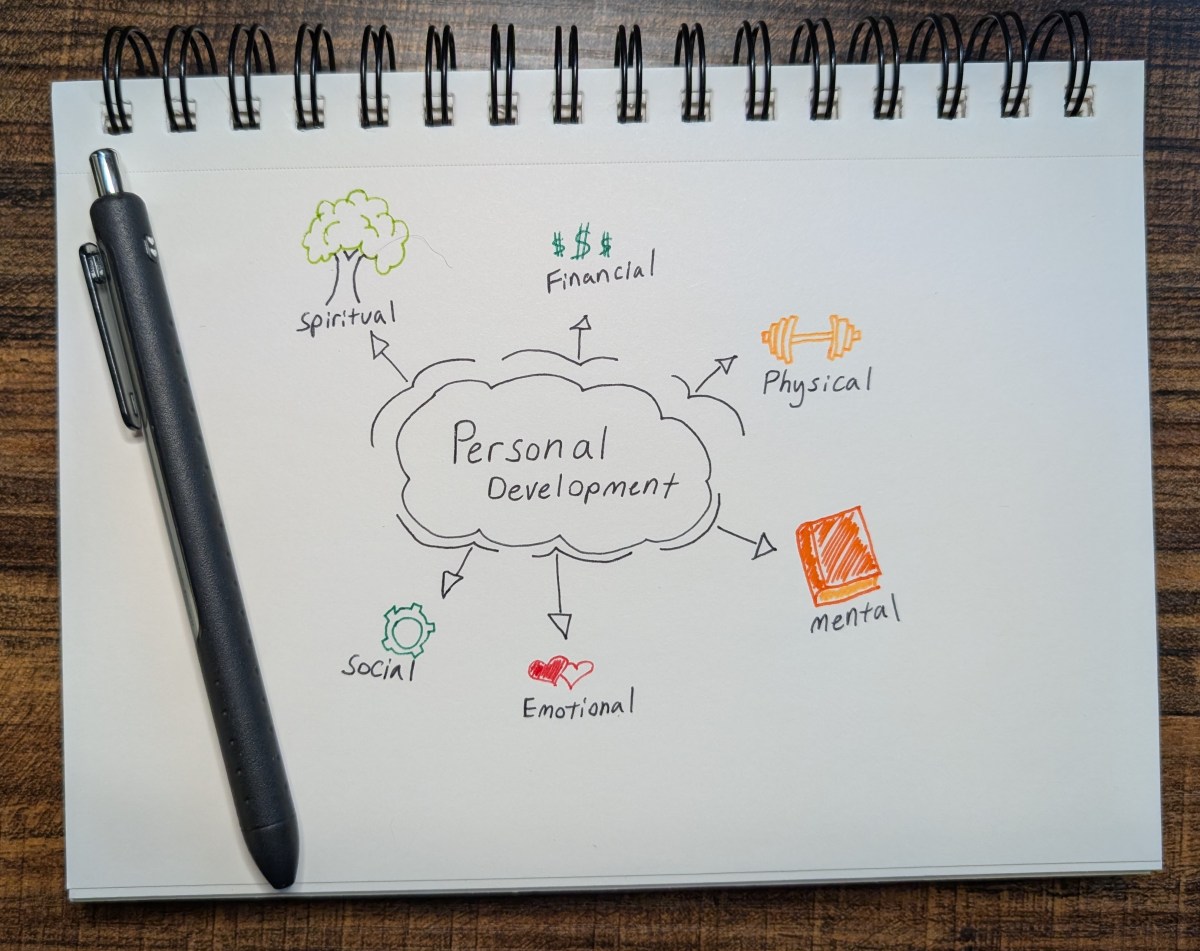
Personal development is a very broad term that consists of many actions and habits. Under the personal development umbrella you can find many topics ranging from language learning and reading, all the way to some major changes like sobriety and dietary shifts. There are six pillars that that we can break all of these topics up into so that your personal development journey can begin today!
First let’s define personal development, since this is such a broad term. The description that I have seen the most is this, personal development is: a process of activities that help people improve their skills, potential, and quality of life.
Where do we start? Take a look at the six pillars that personal development can be categorized by.
1.) Physical 💪
Physical development encompasses exercise, nutrition, sleep, and hygiene. To obtain growth in this pillar you can start by stretching in the morning and doing a short and light workout. Meal plan and work to incorporate better eating habits that make your body feel nourished and energized. Ensure that you are getting a good amount of quality sleep, this is different for everyone. Take the time to care for your body, this can look like going to regular doctor and dental appointments, getting a hair trim, and having a morning and evening routine for personal hygiene.
2.) Mental 🧠
Mental development is about improving your mindset and cognitive function. You can start by working on becoming self aware and getting familiar with how your actions affect your life. Some good habits to improve this pillar could be furthering your education, for example taking a free library class online, reading books, doing puzzles, trying meditation, and generally challenging your brain. Another great place to start is by setting up a few appointments with a therapist so that they can help you to sort out the more complicated road blocks you may encounter.

I really recommend books, books, and more books! 📖📚
3.) Emotional 💕
Emotional development includes learning to understand, express, process, and manage emotions. Emotions are often complex, and becoming familiar with how to handle your own emotions can be very freeing. You can start this process by becoming more aware of why you are having these emotions. Work on responding instead of reacting, and becoming more empathetic and understanding towards others. Mindfulness is a wonderful way to achieve these things. The practice of mindfulness will help you to improve self awareness, self regulation, empathy, and gain freedom from negative thoughts and judgments.
4.) Social 🙋♀️
Social development means gaining skills to interact with others in a healthier way. Self confidence plays a big role in this pillar. Being able to perceive and respect others will help you with social skills. Comfort in self expression and communication are great places to start. Being a good communicator and listener is beneficial in social setting as it will make you and your peers feel engaged and comfortable. Communication skills can include things like body language, speaking clearly, problem solving, avoiding interrupting, and awareness of social cues.
5.) Spiritual 🧘♀️
Spiritual development can be improved by connecting better to the world around us and also to our inner selves. I know this can sound kind of “woo woo” – just hear me out! You don’t have to do anything you are uncomfortable with, just do what works for you. A good place to start could be meditating a couple times per week, starting a yoga practice, being more present, and practicing gratitude. You can also try spending some time in nature or getting involved with your community. Any or all of these activities are likely to make you feel more connected and purposeful, which is the goal of spiritual growth.
6.) Financial ✅
First let me say that I am totally empathetic to the fact that everyone is in a different place financially. We all have different lives and different circumstances. That being said, the goal we are setting here is to better our financial management and make sure needs are met. Starting small could look like assessing your current financial situation and tracking your finances closer. after that you can start making a financial plan, budgeting, putting money into an emergency fund, saving, or paying off debt. You can start where ever you feel comfortable and where your personal situation allows.
I would like to highlight that in order for growth to happen we need to have an open and willing state of mind. You have to be okay with changing your habits, skills, time allocation, and mindset. If you are willing to do that then you can do just about anything!
Here is a quote I like from Brazilian lyricist and novelist Paulo Coelho –
” One day or day one”
Thank you for reading, have a loving and peaceful week!
Caelin 🤙



 Caelin Plants