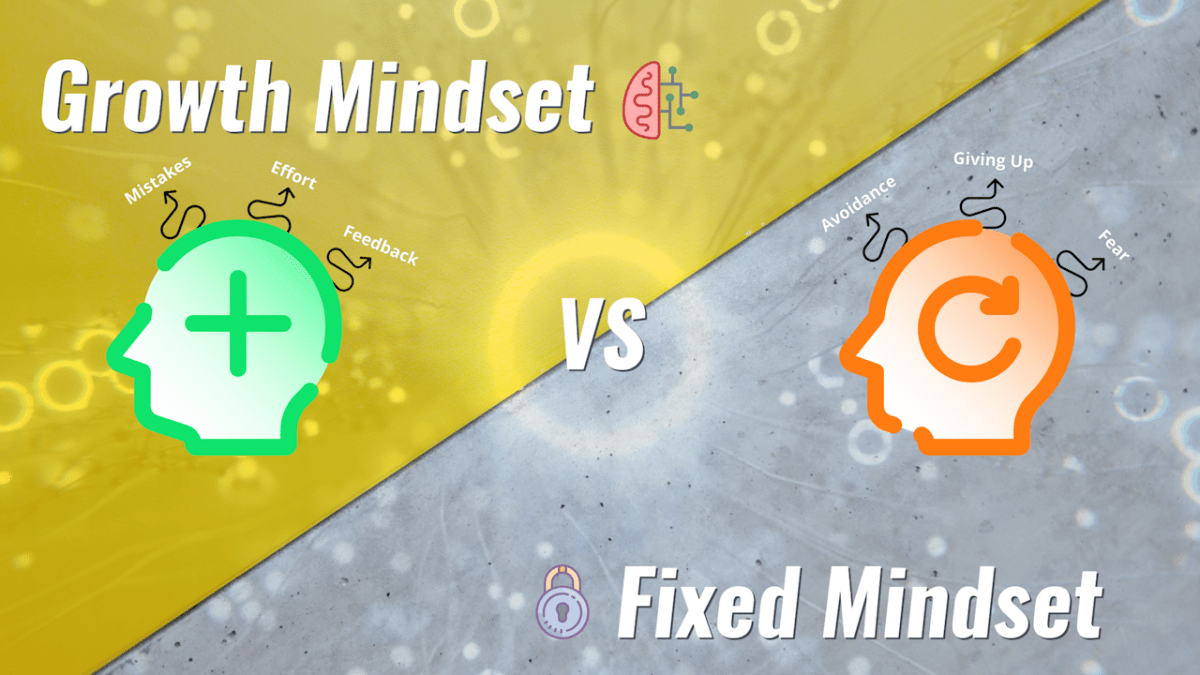
Growth Mindset VS Fixed Mindset

What is mindset? 🧠

Mindset is a set of beliefs and assumptions about yourself, your life, and the world around you.

Basically mindset is how you perceive everything that is going on around you in your life. Most importantly mindsets can be changed, this is good news because our mindset influences everything you do. That includes your habits, your reactions, and your success with goals.

Stanford psychologist Carol Dweck identified two different types of mindsets, a fixed mindset and a growth mindset. A fixed mindset is the belief that your abilities and fixed traits cannot be changed or altered. A growth mindset is the belief that your talents and abilities can change and develop over time through effort and persistence.

If you are looking to achieve a growth mindset then hopefully that means you believe you can change your mindset and habits (which is true!), so let’s talk about how we can do that.

Building a growth mindset does not happen over night, it takes time and commitment to change the way we think. It will not be linear growth, so be patient with yourself and remember you can always change your habits, and the way we think is a habit!

8 tips on how to achieve a growth mindset: ⬇⬇⬇👀

1.) Start viewing challenges as opportunities to grow 📈

Challenges are always a great time to learn and grow from what you are going through. A new challenge can be scary, but after you face that fear it passes rather quickly. The only way past is through, and on the other side of it is everything you want. It won’t be as scary after you do it a few times.

2.) If you are not failing you are not learning 🚦

Failure is part of learning, it just has to happen in order for you to grow. I know that is frustrating (especially for people with perfectionist tendencies). There is this terrible stigma around failure, but that is the cost of entry. Failure is learning and learning is growth, so if you want to grow you must make friends with failure. Change the way you think about failure, and it’s almost guaranteed that you will reach your goal.

3.) Ask the right people the right questions 🙋‍♀️

Find someone that has what you want and ask for criticism. This does not have to be somebody that you know, it can be a mentor, coach, community leader, or just someone doing what you want to be doing. This person needs to actively be going in the direction you want to go, or achieving the things you want for yourself. Instead of looking at that person and feeling jealous, you need to ask questions. Get comfortable recognizing the areas you are struggling in and have people tell you how they got past those struggles. Feedback is so valuable if it is coming from a good source, you just have to be willing to take it and apply it.

4.) Put in the effort 💪

Instead of focusing on the negative thoughts, just get in the reps! If you are thinking to yourself how poorly things are going, and you are complaining and talking about how bad you are doing then this is for you. When those thoughts pop up, acknowledge them, and then put in the work. Bad at writing? Find some free writing prompts and practice. Bad at cooking? Hop on Pinterest and find some easy recipes to start with. Bad at Sewing? Joanns has free patterns and online classes you can take to get better! See where I am going with this? You may not be able to do it yet, you just gotta get those reps in.

5.) Growth is a process ✨

Growth and learning are not a destination, they are a process. You will never be done learning or growing, there is no finish line to get to. Having a growth mindset is a forever journey, that is the whole point. You can always get better, or improve a skill, learn more, or grow as a person. This can be fun if you have a growth mindset because the game never ends. Instead of looking at this process and thinking “I’m not there yet”, realize that there is nowhere to be. The only goal is forward progress, always and forever forward progress.

6.) Write down your goals 🖊

Research has show that writing down your goals increases the probability that you will reach them by up to 42%. The link to the study can be found Here. What I like to do is write down the main goal and then break it up into mini goals. This helps to make each goal more digestible and more easily achieved. So your larger goal is not so daunting and you can work towards it in steps. I would not suggest having more than three large goals at once, otherwise it may still become overwhelming. Once you see the progress happening with your mini goals you will be much more likely to continue on toward your main goal.

7.) Put yourself around people that emulate your goals 🤝

Your habits, thoughts, and actions are massively influenced by the people you spend the most time with. Putting yourself around people who have similar goals or are on a similar path will increase your chances of reaching your goals. If one of your goals is to read more, then join a book club. If one of your goals is to run a marathon, join a community running group. This will help you to pick up tips, ideas, and information that will benefit you and expedite your progress. People that share your goals will share insight and help you to develop the mindset it will take to achieve what you are setting out to do.

8.) Become more self aware 🤩

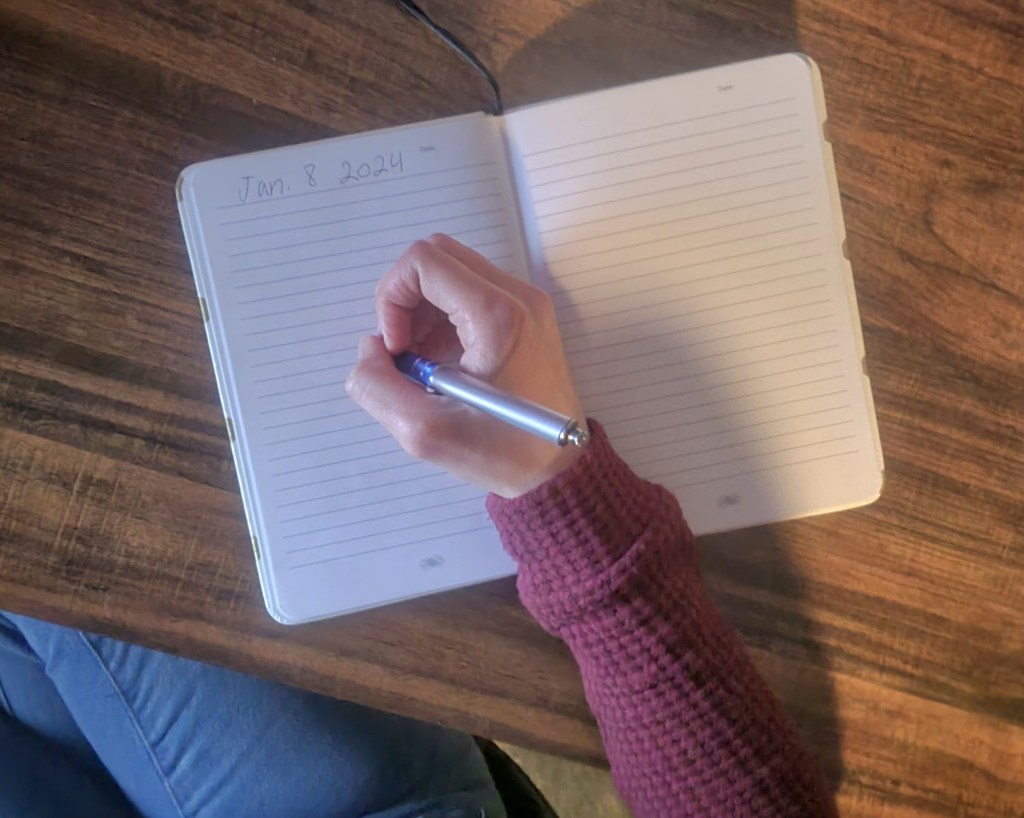
Self awareness is one of the largest obstacles on the path to a growth mindset. You have to know where you are in order to know where you should go. The best way I have found to really understand where I am in a process is to crack open a journal and ask myself some questions! Take about twenty minutes and get very honest with yourself about where you are right now. Are you open to new experiences, people, and habits? Are you closed off to new ideas or challenges? Are you confident in your ability to learn new skills, or does that make you feel anxious? These are the types of things you need to ask yourself. What we are looking for by doing this exercise is a side by side comparison of where you are right now, and where you would like to be. Set growth goals and also set a time frame for yourself. This will assist you to be more open with yourself about what exactly needs to change and what the next step should be.

Book recommendation:

The PMA Effect by John Joseph is one of my all time favorites. It is packed full of great information, exercises, and actionable steps to be able to get a head start of all of this. I read this book every year and I always take something new away from it. My personal copy is filled with sticky notes marking my favorite ideas, thoughts, and exercises. I would highly recommend getting a physical copy if you are a note taker like me!

That’s all for now, thank you so much for being here. I truly hope this was helpful to you, and I wish you luck on your journey.

Caelin 🤙
How to Achieve Personal Development

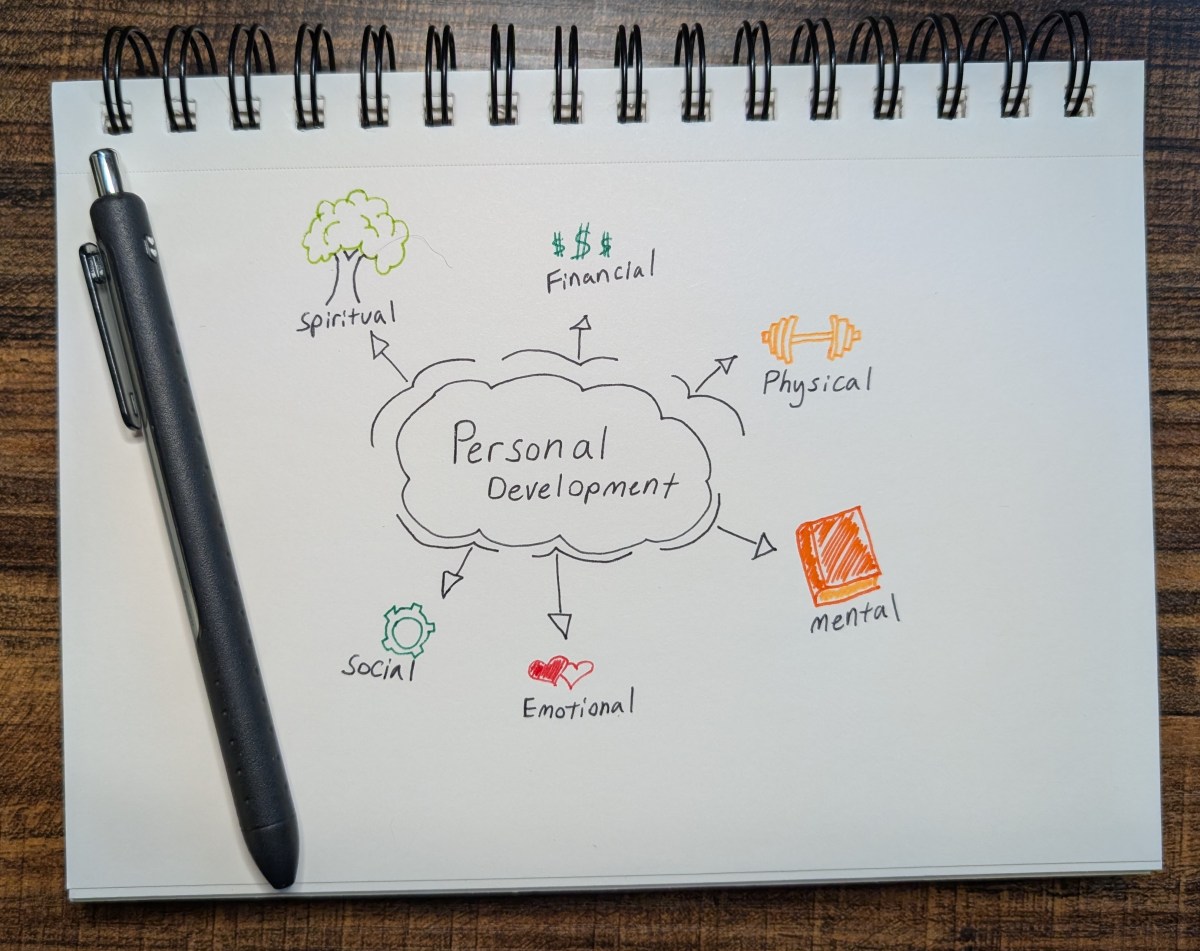
Personal development is a very broad term that consists of many actions and habits. Under the personal development umbrella you can find many topics ranging from language learning and reading, all the way to some major changes like sobriety and dietary shifts. There are six pillars that that we can break all of these topics up into so that your personal development journey can begin today!

First let’s define personal development, since this is such a broad term. The description that I have seen the most is this, personal development is: a process of activities that help people improve their skills, potential, and quality of life.

Where do we start? Take a look at the six pillars that personal development can be categorized by.

1.) Physical 💪

Physical development encompasses exercise, nutrition, sleep, and hygiene. To obtain growth in this pillar you can start by stretching in the morning and doing a short and light workout. Meal plan and work to incorporate better eating habits that make your body feel nourished and energized. Ensure that you are getting a good amount of quality sleep, this is different for everyone. Take the time to care for your body, this can look like going to regular doctor and dental appointments, getting a hair trim, and having a morning and evening routine for personal hygiene.

2.) Mental 🧠

Mental development is about improving your mindset and cognitive function. You can start by working on becoming self aware and getting familiar with how your actions affect your life. Some good habits to improve this pillar could be furthering your education, for example taking a free library class online, reading books, doing puzzles, trying meditation, and generally challenging your brain. Another great place to start is by setting up a few appointments with a therapist so that they can help you to sort out the more complicated road blocks you may encounter.

I really recommend books, books, and more books! 📖📚

3.) Emotional 💕

Emotional development includes learning to understand, express, process, and manage emotions. Emotions are often complex, and becoming familiar with how to handle your own emotions can be very freeing. You can start this process by becoming more aware of why you are having these emotions. Work on responding instead of reacting, and becoming more empathetic and understanding towards others. Mindfulness is a wonderful way to achieve these things. The practice of mindfulness will help you to improve self awareness, self regulation, empathy, and gain freedom from negative thoughts and judgments.

4.) Social 🙋‍♀️

Social development means gaining skills to interact with others in a healthier way. Self confidence plays a big role in this pillar. Being able to perceive and respect others will help you with social skills. Comfort in self expression and communication are great places to start. Being a good communicator and listener is beneficial in social setting as it will make you and your peers feel engaged and comfortable. Communication skills can include things like body language, speaking clearly, problem solving, avoiding interrupting, and awareness of social cues.

5.) Spiritual 🧘‍♀️

Spiritual development can be improved by connecting better to the world around us and also to our inner selves. I know this can sound kind of “woo woo” – just hear me out! You don’t have to do anything you are uncomfortable with, just do what works for you. A good place to start could be meditating a couple times per week, starting a yoga practice, being more present, and practicing gratitude. You can also try spending some time in nature or getting involved with your community. Any or all of these activities are likely to make you feel more connected and purposeful, which is the goal of spiritual growth.

6.) Financial ✅

First let me say that I am totally empathetic to the fact that everyone is in a different place financially. We all have different lives and different circumstances. That being said, the goal we are setting here is to better our financial management and make sure needs are met. Starting small could look like assessing your current financial situation and tracking your finances closer. after that you can start making a financial plan, budgeting, putting money into an emergency fund, saving, or paying off debt. You can start where ever you feel comfortable and where your personal situation allows.

I would like to highlight that in order for growth to happen we need to have an open and willing state of mind. You have to be okay with changing your habits, skills, time allocation, and mindset. If you are willing to do that then you can do just about anything!

Here is a quote I like from Brazilian lyricist and novelist Paulo Coelho –

” One day or day one”

Thank you for reading, have a loving and peaceful week!

Caelin 🤙

Mood-Boosting Foods to Add to Your Grocery List

One of the simplest ways to improve your mood is to prioritize a healthy diet. A healthy diet nurtures a healthy gut, this is important because of your gut microbes. The microbes in your gut produce neurotransmitters such as serotonin and dopamine when you eat nutritious foods. Neurotransmitters like serotonin and dopamine are best know for regulating and boosting not only our mood, but also our concentration. Nutrition psychiatry studies have found direct correlations between our diets and mental health.

Serotonin is not only responsible for making us feel happy and calm. This neurotransmitter is essential for our central nervous system development and function. It assists with our hormonal, autocrine, paracrine, and endocrine functions. So where is most of the serotonin produced in the body? You may be surprised to find out that only about ten percent is produced in your brain, and the other ninety percent is produced in your gut.

The science behind it:

Foods containing mood boosting nutrients like Zinc, Folate, Magnesium, Potassium, Vitamin C, Fiber, Iron, B Vitamins, and Omega-3 fatty acids help us to have energy, clarity, and reduce anxiety and depression throughout the day.

In contrast, foods high in fat, sugar, and salt (processed foods) are associated with increased anxiety and depression. These types of food can also make us feel lethargic and like we have brain fog.

Let’s get to the good stuff! Here are seven foods that will help boost your gut health and your mood –

1.) Dark Chocolate

Dark chocolate contains amino acids and weaker stimulants that can help improve our mood. These components of dark chocolate are known to produce both serotonin and dopamine, this helps us feel happier and can act as a defense against feelings of depression. Dark chocolate also has a high amount of Iron and flavonoids, making it great for decreasing inflammation and promoting healthy red blood cells.

2.) Blueberries

Blueberries are high in fiber, vitamin C, K, manganese, and potassium, making them great for lowering blood pressure, preventing heart disease,improving memory, and aiding in exercise recovery. Berries are rich in antioxidants, which also may help reduce depression symptoms. A diet high in fruit and vegetable intake is known to improve mental health. Blueberries in particular are being studied more for there potential ability to protect against cognitive decline that happens as we age.

3.) Avocado

Avocados contain Choline, a nutrient that your brain and nervous system use to regulate memory, mood, and muscle control. The mono-saturated fat found in avocados not only helps to maintain healthy cholesterol levels, but also has been found to help reduce anxiety specifically in women. Avocados are also high in B vitamins which help your body to make energy and lower stress levels.

4.) Spinach

Spinach is a significant source of vitamins K, A, and C, which promote healthy blood, normal vision, immune health, and muscle growth and recovery. It is also an excellent source of Folate as well. Spinach also contains high levels of Iron, Potassium, and Magnesium, we really should all be eating way more spinach!

5.) Green Tea

The amino acid Theanine found in green tea leaves helps to calm the mind and keep stress levels down. Theanine has also been found to reduce overall anxiety. Green tea is also high in antioxidants which may help to prevent and repair cellular damage. It may also help to reduce inflammation, decrease cognitive decline, and even protect against cancer and heart disease.

6.) Bananas

Bananas are especially rich in vitamin B6m which your body needs to create serotonin. One medium banana contains about 0.4 mg of vitamin B6 (about 25% of the daily recommended intake). Bananas are also a good source of Potassium, Magnesium, and fiber making them beneficial for digestion, and heart health. They are a good source of energy for the body, promote muscle function, and also contain antioxidants.

7.) Mushrooms

Mushrooms contain a lot of vitamin D, which has been shown to have impressive antidepressant qualities. Mushrooms are also one of the best sources of Selenium, a mineral that helps your body make antioxidants that can reduce cell damage. They also contain vitamins B2, B3, B5, and B9 (also known as Folate). B vitamins are essential for cell growth and formation, making mushrooms a very healthy food option!

Some thoughts on nutrition –

No one food is going to be a magical cure all, however making healthy dietary decisions daily will provide positive benefits for your physical and mental health. It is important to keep in mind that a healthy diet paired with exercise is the best way to reduce our risk of chronic diseases. Worldwide the most common noncommunicable diseases in order are cardiovascular diseases, cancer, chronic respiratory diseases, and diabetes related diseases. A healthy diet and regular exercise is the best way to prevent all of these conditions.

Thank you so much for reading, and I wish you nothing but health and happiness.

Pursuit, Plants, Serenity

Vegan Athlete Nutrition Tips

I have been vegan for six years now, and the questions I get the most are always in regards to nutrition. Nutrition is important to everyone, and as a vegan athlete I find it vital to maintain my nutritional needs. It takes a lot of time to really understand nutrition and as a new vegan it can be very difficult. There is a lot of information out there, and not all of it is simple, helpful, or correct. This post will cover exactly how I make sure I meet all of my nutrient and caloric needs, as well as some sources of information and my favorite educational material.

How to know what your nutrient needs are:

A great way to discover what your specific nutritional needs are is to find a nutrition calculator that will give you information based on your body composition. The best one I have found so far is Cronometer, I like it because it is so easy! You can just go to the website or download the app and it gives you tons of information. It will ask you about your age, sex, weight, and height. After you make your profile and fill out the info it will give you specific targets to hit daily. You will enter all the food you eat and it breaks down exactly what macronutrients, vitamins, minerals, carbs, and proteins you have consumed for the day. The daily report will tell you what you need to eat and how much to reach your targets for nutrients and energy. It even gives you a breakdown of what nutrients are in a specific food you entered into your log. The best part is you can get access to all of these features for free!

It is also important to take into account the amount of exercise you get on a daily basis as this will affect your target energy intake for the day. The more exercise you get and energy you burn throughout the day, the more you need to be eating to replace that energy. Using Cronometer helps me to keep a food diary and that way I can make sure I do not over indulge the sweet treats and snack foods, and instead get good nutrient dense calories to replenish my energy.

What about supplements?

Supplements can be great if you use them for their intended purpose. Supplements are meant to help fill in the gaps in your diet, they are not a replacement for nutritious eating. Above all else you should strive to meet your nutrient and calorie goals with fresh or frozen foods and whole grains. The supplement you take should be for those vitamins and minerals that are difficult to get in your diet or that you are consistently low on.

I do take a daily supplement and I have for years. Supplements are not only good for people who are on a vegan diet, almost everyone could benefit from a daily supplement. I would encourage you to do a lot of research about the supplements before you start taking them as not all of them are as beneficial as they advertise. I personally take Hippo7 vegan complete, and additionally a C vitamin everyday. The Hippo7 daily vegan complete is a completely vegan supplement designed for vegans. The supplement includes vitamins B12 and D, Iron, Zinc, Iodine, Calcium, Omega-3s DHA, and EPA. I have been very pleased with Hippo7 and will definitely continue to order from them. I also include the supplement in my daily food diary on Cronometer.

Let’s talk vegan protein!

If you are a gymshark or an athlete then I know you think about protein all the time. When you are trying to build up muscle, endurance, or just stay mobile and limber it is vital that you get your protein in. I personally aim for 144g of protein everyday since I am a very active person. I do not find it challenging to meet this goal as a vegan. It is simple and easy to meet your protein goals as a vegan, protein is everywhere! Some things that I eat everyday to make sure I get my protein in are fortified cereals, vegan protein powder, tofu, oatmeal bars, nutritional yeast, and even rice!

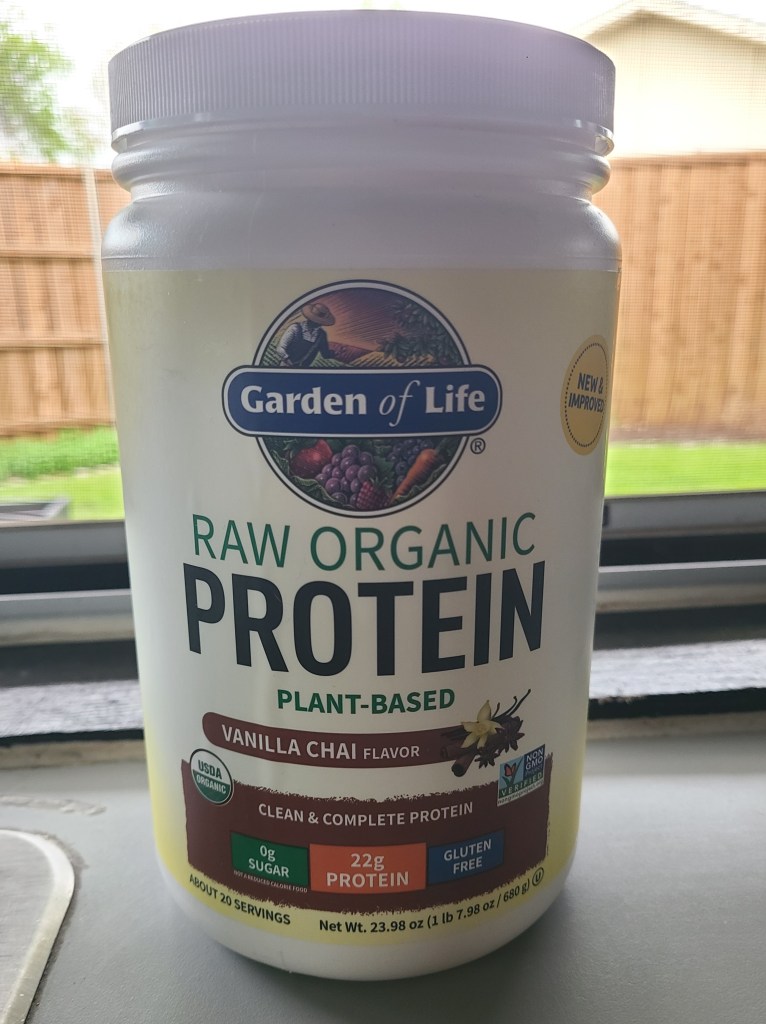
The cereal I eat is a high fiber cereal that I get about 30g of protein from in the mornings. It is a bit expensive but I really like it so I splurge a bit on it. The brand is Catalina Crunch, I get the cinnamon toast flavor. I started buying it for its high fiber content as I believe a high fiber diet is a healthy diet. The vegan protein powder I get is Garden Of Life brand and is both vegan and organic. I like the vanilla chai flavor, it is so good! This protein powder has 22g of protein per scoop and is a complete protein source. Complete proteins means they contain all nine essential amino acids in consistent amounts.

Firm tofu is my preferred type of tofu since it is such a great source of protein and also is a complete protein. Firm tofu contains about 22g of protein per half cup serving, and because it is so versatile it is easy to work quite a bit of tofu into your daily diet. Nutritional yeast has about 11g of protein in only three tablespoons. I sprinkle the large flake nutritional yeast on just about every savory dish I make, it has a great cheesy flavor.

Other great vegan protein sources are lentils, black beans, chickpeas, seitan, tempeh, oats, quinoa, and wild rice. Make sure that your daily protein intake aligns with your personal needs, everyone is different.

Carbohydrates are not evil –

Carbohydrates are one of three macro-nutrients, they are the preferred source of energy for nerve cells, and are an important energy source for all cells. Your body needs carbohydrates to function properly, and they should make up most of your plate during meals. My personal target for this macro is about forty five percent of my daily intake. Good sources include fruits, vegetables, and grains. Some of my favorite complex carb sources are oats, lentils, sweet potatoes, broccoli, and whole grain pastas. Carbs help to prevent muscle loss and also aid in muscle recovery.

Complex carbs like beans, nuts, and potatoes are the healthiest option. Complex carbs are digested slowly, this means that they release glucose into the blood stream more gradually. Simple carbs such as soda, candy, and baked treats are digested quickly and spike blood sugar faster and higher. Complex carbs are more filling, full of fiber, and help to maintain a healthy weight as well as increase digestive health. Complex carbs are also notably a large part of the diet of people around the world who live in blue zones. This may be part of the reason we see the population in these areas living longer with less health issues overall.

Lipids in a healthy diet –

Fats are the lipid content of diets and foods, they are essential for energy in a healthy diet. Monounsaturated fats and polyunsaturated fats are healthy for your heart and help to lower LDL cholesterol levels. These types of essential fatty acids decrease risk for heart disease and stroke, as well as help to boost HDL cholesterol (that’s the good kind)!

Avocado, seeds, nuts, and olives are just a few sources of healthy fats. I aim for fats to be about thirty percent of my daily nutrient intake. Eating healthy fats like these is important for brain health and brain function, healthy skin, vitamin absorption, and decreased overall inflammation.

Food for thought –

Although it can be easy to get caught up in all of the metrics and obsess over the numbers, try not to. Do your best, and have your goal be that you do a little better everyday. Expanding your knowledge, making sure you know your body, and know what makes you feel healthy is what is most important. Every person is different, so what works for me may not work for you. I encourage you to do your own research and build your own habits.

Nutrition is very scientific, however there is no one size fits all with this stuff. Everything really depends on your body and lifestyle, so please make sure you do what feel right for you. I would love for you to comment your own experiences with nutrition and what your goals or routines are. I will also answer any questions about my personal goals or habits to the best of my ability.

Pursuit, Plants, Serenity

Top 5 Journal Prompts I Use

Writing in a journal everyday may sounds overwhelming, it did to me when I first started incorporating it into my daily routine. It does not have to be a perfect masterpiece, you are not writing the next New York Times best seller. The key to starting a daily journal is to just write something, anything, just brain dump into your journal. Seriously, that is what I did (and still do) every morning, and sometimes before bed as well. Take three or five minutes and just write down whatever is on your mind. This will have a couple of benefits for you. One, it will allow you to get those thoughts out of your brain so you do not feel like your mind is racing. Two, it will help you to organize you thoughts and let you have a clear vision for the day ahead.

Why I started writing in a journal

I first started writing in a journal after listening to some great videos about having a clear mind. My thoughts were always racing, to the point where I could not keep anything in or out of my brain for very long. I was chasing thoughts around all day long trying to remember this or make sure I told so and so that. Then when I tried to sleep at night it was the same thing. My brain trying to make a to-do list, and thinking about all the things I did not get done that day, and everything I had to get done the next day. It sounds exhausting, and it was. Finally, I decides to take this mans advice and just start writing things down.

What I started to write

I did not just write down your average to-do list or schedule for the day. I wrote down thoughts that I just wanted out of my brain. Things I knew I was not going to forget, but just could not stop thinking about. For example “my dogs nails are too long, I can hear them clacking on the tile and he has a grooming appointment on Saturday, but I just can not stop thinking about it”. This is actually a sentence I wrote in my journal so that I could stop that constant thought of my dogs nails needing trimmed. It really helps to just write it down. When you write these things down, it gives your brain a sense of being heard. You know it will be taken care of and that you can stop reminding yourself about it every hour.

How this has helped me

This has given me so much peace internally and externally as well. I am no longer speed walking around the house with a toothbrush in one hand and a TV remote in the other, wondering why I am holding these things when I am trying to start a load of laundry. I can go through my daily routines and check things off my list, or actually sit down and relax. I think of my journal as my second brain, once it is in the journal I do not need to think about it anymore. This also impacts the people around me, especially those that I share a home with. When I get anxious and overwhelmed, I give off that energy to others as well. Now, more often than not, I am relaxed and calm in my home. I can share that feeling with my loved ones, and give them a feeling of peace as well.

Do not have expectations

There is no wrong way to journal, so don’t go into this putting unnecessary pressure on yourself. Maybe you write one sentence, maybe you write two pages, both are correct and perfect. The goal here is to make you feel better, as long as that happens, you are doing it right. Please try to avoid comparing your journal practice to how other people journal, or your perception of how other people journal. It does not need to make sense to anyone else, or be poetic, or aesthetically pleasing. Make it sloppy and illegible, use a pen and then a pencil, it truly does not matter.

My current journal routine

As stated before I do write every morning to brain dump before I start my day. I have added some other types of journal writing to my routine in the last year or so. I now look for good prompts that are applicable to my current situation. For instance, since it is the first week of the year I have done a few prompts on year planning, goal setting, and yearly review. This helps figure out where I am at with my goals, how I want my year to look, and how I can go about getting there. I would highly recommend searching for prompts that are in line with whatever you have going on in your life. You can search for prompts about parenting, moving, recovery, just about anything you can think of there is a journal prompt for. Do them as often as you need, or schedule them, completely up to you. Again, this is all about making your life more peaceful.

Top 5 prompts I would recommend

Okay, here we go, here are my top 5 journal prompts that have given me the most insight.

  • What does your ideal day look like?

This one needs to be very specific, start from the time you wake up and end with right before you go to sleep. What do you do all day? Who are you with? Where do you go? This will help give you an idea of what changes you can make to start having days that feel better to you.

  • What will make the boat go faster?

For this one imagine that you are in a boat trying to get to your goal. The goal could be anything, small or big. For example, you are trying to leave the house to go to a dinner party and then the dog gets sick on the carpet. Now you need to ask “What will make the boat go faster?” or in this case “How can I efficiently take care of this so my evening can get back on track?” You can either get very mad, yell at your dog, rush around the house to grab cleaning supplies, snap at your spouse, and then have a tense and silent car ride to the party. Option two, you can calmly ask your spouse for help to get the dog outside so that you can grab the cleaning supplies, then work together to clean the mess and have a nice conversation about what a good team you are on the way to the party. Which one do you think will make the boat go faster?

  • What would the ideal me do?

If you are struggling with how to handle a situation this is a great one! Can’t decide how to respond to a message? Trying to write out a healthy meal plan? Deciding whether to binge Netflix or go for a walk? Ask yourself, what would the ideal you do, whatever that version of you looks like in your head. This can also be a great prompt for life planning, what does your ideal you look like in ten years?

  • Fears, fixes, and the outcome I would bet on

This one is as easy as it sounds. Whatever problem you are dealing with, write down what scares you about it, what the possible fixes could be, and what you think the most probable outcome will be. Emphasis on “most probable”, this will help make that big mountain in your head turn into a mole hill.

  • Gratitude list

Last and absolutely not least is a gratitude list. This always feels silly and always turns my sour moods right around. If you are in a funk, writing down the things in life you are grateful for will make you feel better almost one hundred percent of the time. It can be anything, your dog, your car, your job, or a friend. Being grateful is a big step to having peace in your life.

Conclusion

Writing everyday has really changed my life for the better. I did not think it was going to have the profound impact that it has. My entries have gotten more intentional and thought out over time, but to start they were just ramblings. That is totally okay, just let the words come and don’t overthink it. If you need inspiration look for a prompt, but you likely won’t need one most days. I really hope that you give it a try, and if you do I hope it helps to clear your mind.

Thank you for reading, and I truly hope you got some use out of my ideas and experiences.

Pursuit, Plants, Serenity

How I Trained For My First Half Marathon

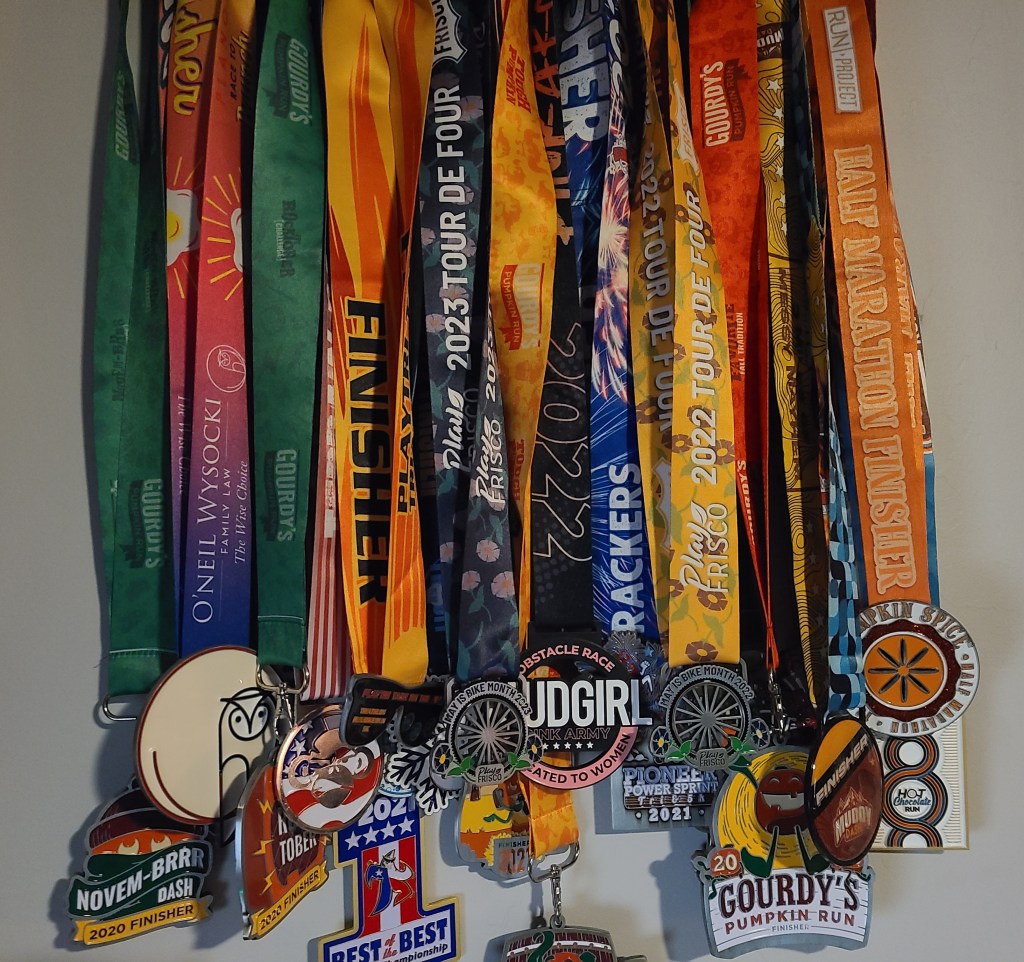
When I first started running I mostly participated in 5K runs that were local and I was not very concerned with how quickly I finished the run. I finished about fifteen of these 5K events over the course of about two years and then I decided I wanted to do something a bit more challenging so I signed up for obstacle races that had between twelve and twenty obstacles, but were the same distance, still about 3.1 miles. That trend of wanting a bit more of a challenge continued and I went on to finish a 10K, 15K, and most recently a half marathon.

I am very happy with the progress that I have made and I would love to share the knowledge I have gained. Most of what I have learned has been through trial and error, some of it I learned from books and friends. The single piece of information that I believe has helped me the most is fixing my body position while I run. I used to run with my shoulders tense and high up like I was bracing for something. I used to run with my stride way longer than what is natural or comfortable for me. The worst is that I would also run much faster that what I was really capable of for any type of distance longer than a sprint.

I went running with a friend of mine a while back that told me I needed to run in a more relaxed and comfortable position. I dropped my shoulders, relaxed my hands and let my arms drop closer to my waist. This helped dramatically, it also assisted with helping me not to get stitches while running because I could breath easier. I then read the book Finding Ultra by Rich Roll where he talked about his coach teaching him to run slower than he thought he could, and for as long as he could. Similar to Rich I thought that sounded dumb, why would I run slower if I was trying to get better? In the book he realized the coach was onto something so I decided to give it a go as well. Not so surprisingly this really worked, I shortened my stride and ran at a comfortable pace where I was still able to hold a conversation or sing. After doing this for a few weeks I really noticed a difference.

I was able to keep my pace for a lot longer, and I was not gasping and out of breath by the end of my run. I was able to almost double the amount of time I could run with out stopping. I also noticed that after my longer runs I was not so exhausted and my muscles were not so achy. I was able to recover faster with less discomfort between recoveries. Slowly I was able to pick up my pace and now I had some way to know if I was running too fast or with too much tension in my body. If I could no longer hold a conversation, I needed to slow down. If i started to get too winded or get a cramp, I needed to consciously relax my body.

Once I fixed the mechanics of my run it was time to set a schedule. My fiance and I already go to the gym five days a week most weeks anyways so it was just a matter of working the runs into my routine. For me that looks like running for at least three and half or four miles three to five times a week. Not all my runs happen at the gym and I also do longer runs to make sure that I am training for the longer distances that I want to cover in a race. I frequent my local community trails and also a nature preserve that has nice paved and dirt trails. I do this mainly on the weekends since that is when I have more time for longer runs. On my longer runs I try to do six to ten miles, I do not run the full distance I am actually training for.

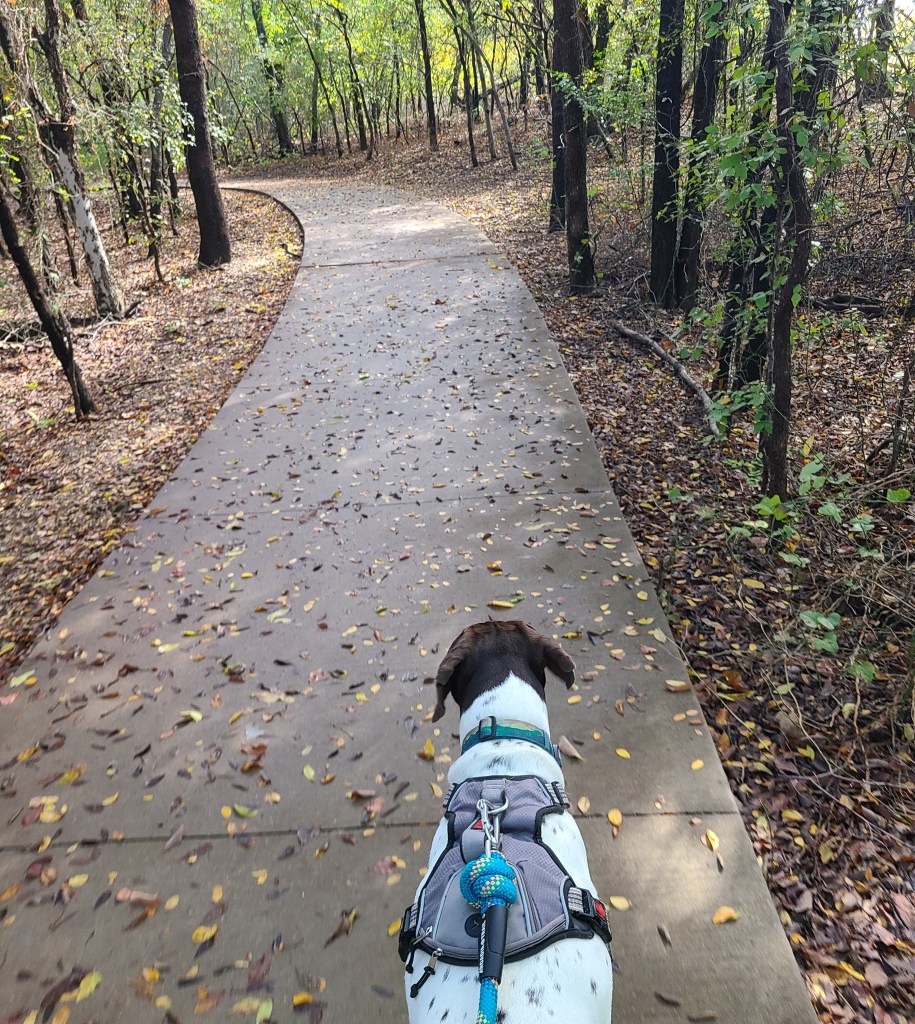
When I do these longer runs I normally go alone because I like to have my headphones in. I listen to audio books or podcasts so that I have something to keep my brain busy and I can just run. I sometimes take my dogs when the runs are closer to six miles, they are good company. The dog do not come when the runs are longer than this because they get bored or tired and I end up having to cut my run short. I would recommend finding something that you can listen to for an extended period of time so that you do not have to stop to skip or change songs.

I like to change up where I run and the conditions in which I run so that I am prepared for any type of race course, plus it also helps to not get bored while you are training. I like to use the app AllTrails to find trails in my area, the app also allows you to look at photos, lengths, and ratings left by others so you know what you are getting into. I try to find trails with varied distance, elevation gain, terrain, etc. This allows me to really challenge myself and get comfortable running in all conditions. I run in varied (safe) weather conditions for the same reason.

Recently I have been trying to find trails with a more difficult elevation gain so that uphill runs are not so hard for me. I have done a couple of races that had pretty steep uphill sections and they really had me wondering if I was gonna make it. I have been making progress, and now even when I run trails with little to no elevation gain it seems that much easier. I am becoming a fan of making the training a little more challenging than the race will be so that the race seems easier in comparison.

Finding the right clothing for runs was also a learning experience, there are a lot of clothing options to choose from. Just know that you do not need the latest and greatest most expensive things available to be a runner. You can use whatever you already have, and if you are looking to get something new or upgrade, it does not need to be name brand or cost hundreds of dollars. I have only a handful of running/exercise clothing that I use, some of which I got when signing up for races.

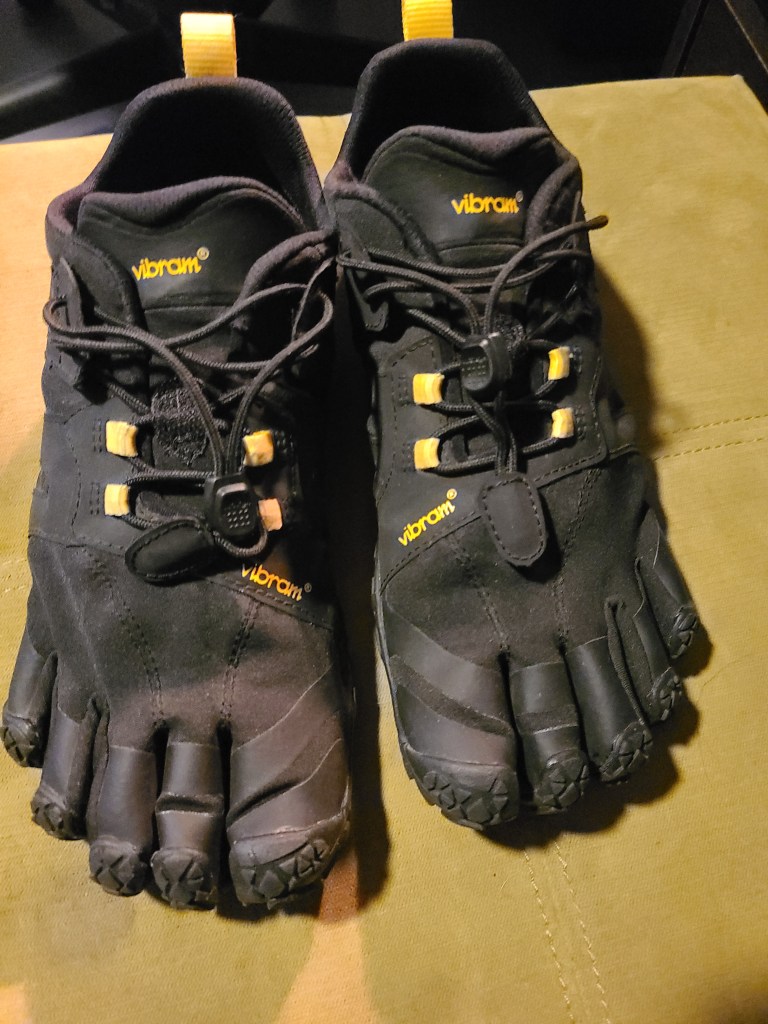
I have a few shirt, only one long sleeve, a few pairs of shorts, a couple pairs of legging, two pairs of shoes, some socks, and then weather accessories like a light jacket and a warm headband. The only thing I have spent a considerable amount of money on is shoes, and that is because in my opinion having the right shoes will make or break a running experience. It is really important to me to take care of my feet. I have one pair of light flexible mesh running shoes, and one pair of barefoot shoes. You know the ones with toes that look like a shoe/sock hybrid. I love them, they are comfortable, my feet do not hurt, and my foot and toes have a lot more natural range of motion. The one mistake I made with these shoes is not wearing socks with them the first long run, I got blisters and then immediately bought socks to go with those shoes. Since then, they have never let me down!

Before and after your runs you need to make sure you are getting adequate rest, recovery, and nutrition. Get in a good routine of planning out meals that are nutrient dense, and full of all the calories you expended. You need to replace the electrolytes, water, and everything else that you lost during your work out. I make sure to eat something high in fiber and fructose before I run like a banana, and often some nuts or seeds as well. After my run I load up on protein, good fats like avocado, and plenty of vegetables (my favorite is spinach). I also get my carbs in with brown or wild rice, quinoa, sweet potatoes, and beans!

For recovery I stretch and use my foam roller, I also do yoga a few times a week to make sure I stay flexible and have a good range of mobility. A few months ago I started going to a local cryotherapy place and doing the whole body cryotherapy for three and half minutes. I also like to do their sauna service, and compression therapy for when I really need the extra recovery help. The most important thing you can do is hydrate and getting plenty of quality sleep. This more than anything else will help you to feel your best after a challenging run. \

Finding a good community of people to go on runs with or to ask questions and get tips from is a great idea. Go to your local running shop and just look around, talk to the employees. They very likely have community runs a few times a week that are beginner friendly and they can help you get where you want o be. These shops usually have a great selection of gear, reading material, and loads of resources and group activities for those just getting into the sport. It can be intimidating, but do not let that stop you, everyone starts at the beginning, and the people at that shop are no exception!

Finally, I would like to say that it is important to know your “why” when it comes to longer distance runs. What intrinsically motivates you? What extrinsically motivates you? These are important things to ask yourself before a long race. Knowing the answers to these questions is what will get you to that finish line. It’s what will get you through the longer training sessions, the cold or hot days, and the sore muscles. You have to know why you want to finish. Is it so you can feel proud of yourself? Is it because you told a friend you would? Is it because you are supporting a cause? Any of these reasons are fine as long as they are meaningful to you.

Thank you for reading and allowing me to share what I have learned. I hope there is something in here that was helpful to you and I wish you luck on your running journey! You totally got this!

Pursuit, Plants, Serenity.

Change Your Brain With Meditation

I started a meditation practice a few years ago during the COVID lock down. My (then boyfriend, now fiance) and I were sitting in a parking garage taking a break from riding around town on our Onewheels. While we sat there he turned on a live stream that Davey Havok had posted, I was partially listening and kind of playing around on my phone until I heard him start talking about meditation. I’m not sure what it was that he said that caught my attention, but I became laser focused. He mentioned that it had become a daily habit for him, and that he had really benefited from doing it. He mentioned the app that he used and at that time given the state of the world I was intrigued about the benefits he claimed.

I had never though too much about meditation, it sounded a little boring and pointless. It made me feel uncomfortable to even think about sitting totally still doing nothing but being alone and focused on my thoughts. At that time my thoughts were chaotic and anxious, nothing I wanted to sit with and give more attention to. I wanted to be distracted from these thoughts, my hope was that eventually they would go away. Now I know that the exact opposite happens, the more you try to push those types of thoughts out, the more frequent and frustrating they become.

When I first started my meditation practice it was difficult and I felt I was not doing it right. My expectation was that I would sit there and be still and quiet and then feel peaceful after a few minutes. I was wrong, it was hard to keep my eyes closed, and harder not to check the time every twenty seconds. I could not make my thoughts quiet down, or focus, or do any of the things that other people talked about when it came to meditation. So I did the thing I normally do and I read a lot of books about it and listened to some podcasts where scientists would talk about what happens to your brain when you have a meditation practice. What I found was that what I was experiencing was exactly what almost everyone else experiences when they first start.

I did not give up and I became comfortable with the discomfort, and better yet I became very patient with my brain. Now a few years later I am still far from perfect at it. I can however sit through the whole practice without opening my eyes, without getting frustrated, without feeling the need to check the clock or rush off to do something else. I do feel peaceful afterwards, and I am so glad I started and stayed with the practice.

So what actually happens to your brain during meditation? Meditation has been found to enable neuroplasticity by improving cognition, attention, and memory recall. Certain types of meditation have also been linked to lowering stress, lowering blood pressure, and even reduced risk of cardiovascular and cancer caused mortality. Those who practice regularly were shown to improve constructive thinking as well as creative thinking. Practicing meditation has also shown to improve overall life satisfaction, mood, quality of life and even help those who are afflicted with chronic stress, depression, and substance abuse. People report that both professional and personal relationships improved after adopting the practice.

Looking even closer at what happens, researchers have found that doing regular meditation increases gray matter in the brain. What does this mean? Coating the surface of most other brain structures is a thin and very important layer of tissue. This layer is called the Cerebral Cortex, the largest brain structure in humans. This tissue accounts for about two-thirds of the brains mass. This is where most information processing takes place and what is referred to as “gray matter”. Folds in the brain add to the surface area of the Cerebral Cortex, the more folds, the larger the brain and the greater the cognitive ability of that brain. Studies have found that thirty to forty five minutes of meditation daily leads to an increase in gray matter.

For me finding out about all of the potential benefits of meditation was enough to give it a try. I personally use the Headspace app and I can not say enough good things about it. After a few months of use I really started to be able to see the benefits in my life. I was less reactive to stressors that happened throughout my day. I noticed myself being more patient with myself and others, I was not so easily would up. Now I look forward to it first thing in the morning and in the evening before bed.

You do not have to pay for a subscription to be able to meditate daily, there are loads of guided meditations for free on YouTube. If you prefer non guided meditation you can always do your own research and start a practice on your own with no guides. There are different types of mediation practices such as Zen meditation, Yoga Nidra, calming, and insight meditation. All have unique benefits, and none of them are right or wrong, it is all about what works for you!

You may even find it helpful to read some books about mediation, or go to a class for your first time to see how the practice is structured. I really do not think there is any wrong way to start or do meditation, as long as you are seeing the benefits and it is leading you to a better quality of life. I will reiterate that it will likely be a challenge at first, and that is perfectly fine. Moving through challenging things is how we evolve and grow, so do not let that intimidate or stop you from trying!

I would also like to go ahead and point out that you do not need a fancy mat or cushion from Target, or special beads, singing bowls, socks, or anything else to start a practice. Just you sitting on your bed, couch, or floor is absolutely acceptable. You can do it in clothes you already have and without any cute gadgets. Once you decide to stick with it, if you then want to purchase some items then that is totally up to you. Just do not let the Pinterest perfect aesthetic of meditation hold you up from starting.

Meditation is a great habit to add to your daily life and has incredible benefits for something so inexpensive and not too time consuming. Starting even with just five minutes is a big step in the right direction. Start and then build on that habit, and watch your day to day become calmer and more serene. I hope you find this habit as beneficial and life changing as I have. Thank you so much for reading along and if you have any comments or questions I would love to read them!

Pursuit, Plants, Serenity.

How To Be Happier

When we think of being happy, we may start daydreaming about what it might take to make us feel happy. We may think of a new job, new routine, new car, or even different hobbies. These external things and thoughts of a future we do not have yet will only get us so far. Most of us would only experience temporary happiness from getting new things or having a change of scenery. Long term happiness comes from something different, an internal shift. 

Happiness is something we choose everyday, it has to be intentional. Similar to any other goal we have, showing up and putting in the upfront work is what matters. Intentional happiness is like exercising a muscle, at first it may be uncomfortable, but after a while it starts to feel more natural. To achieve long term happiness we have to change our mindset to be more content, confident, and satisfied. Feeling happy with what you have is a very important place to start. Often this mindset is called gratitude, gratitude is realizing all the things you have that bring your life joy, comfort, and stability. Sometimes it can be hard to practice gratitude, especially when we are going through a challenging time. The important thing to remember is we have more control over our lives than we may think, whatever challenge we may be going through will eventually pass and get better. 

A lovely piece of wisdom I heard a couple years ago is taking a situation that on the surface looks bad, and probably even feels bad, and asking yourself “How is this the best thing that has ever happened to me?”. This question is an extreme take in the opposite direction of negativity. It is meant to be a question that really makes you think hard about what good could come out of a perceived bad situation. 

I do want to make it clear that I do not support repressing or ignoring your emotions. Emotions can be complicated and overwhelming. In my experience the best way to deal with big emotions is to acknowledge them, and then let them pass. Feel what you are feeling, and then let it go. The exercise mentioned above is a practice in not staying stuck in a negativity spiral, and is not meant to shove down any emotions you may be having. Instead it is giving you the opportunity to look at a situation through a different lens so that you can work through the problem at hand. 

You can also practice gratitude while still having the intention and motivation to make changes in your life. Gratitude does not mean that you have to stay in the same situation, or that you can not make changes for a better future. All it means is finding peace and serenity in the current moment. Having serenity in your current situation will allow you to have a clear head so that you can better evaluate the next right step. A good place to start with a gratitude practice is journaling. I enjoy writing a few things when I first wake up in the morning. Starting my day off this way sets the tone for having gratitude, patience, and positivity with any situation I encounter. I do not write any specific amount of things, I just jot down whatever comes to mind. Today the things I wrote down were “a storm I got to watch last night, my dogs, and my progress in learning a second language”. 

Another way you can incorporate gratitude into your life is acknowledging when you have a thought you do not like, and then out loud telling yourself a different story. All thoughts we have are really just stories we tell ourselves. Sometimes they aren’t even our own stories, they are stories that other people have told us. Thoughts like “traffic sucks, people don’t like me, I can’t achieve this goal” are all stories we think, most of which are probably not our original thoughts. So tell yourself a different story, take sitting in traffic as an opportunity to listen to an audio book. Think of three people that definitely like you, and assure yourself that you can absolutely accomplish this new goal. Those stories are far more likely to be true anyways. Change the narrative in your head and you will start to see your outlook on things change dramatically in a relatively short amount of time. 

The last piece of advice I have for you is to understand that certain things are outside of your control. This may sound simple, but it is really hard to put into practice. You do have control over your attitude, your mindset, what you eat, how you treat your body, and a lot of other things! You do not have control over other people, how they act, what they do, the weather, or what time of day it is. When something outside of your control happens, try hard not to let it weigh on you for too long. Take notice of the frustration or disappointment, and then understand that it is out of your control and let it go. Putting this into practice during your day to day will give you so much peace and serenity. As much as it may not feel like it sometimes, you do have more control than it seems, even if that control is just over how you respond to situations. 

Overall being happier takes practice just like anything else, and it will take effort to feel the change. The effort you put in is worth it, and will benefit you and your loved ones in the long term. Start small and implement some of the above listed exercises and see what differences you feel in a few weeks time. It may even be beneficial to journal about any changes you feel during this process. Keeping track of how you feel each time you respond in a new way to a situation could keep you motivated in this journey.

I hope this has been helpful and that you continue to find happiness in your life. 

Pursuit, Plants, Serenity.

Plan For A Healthy Week

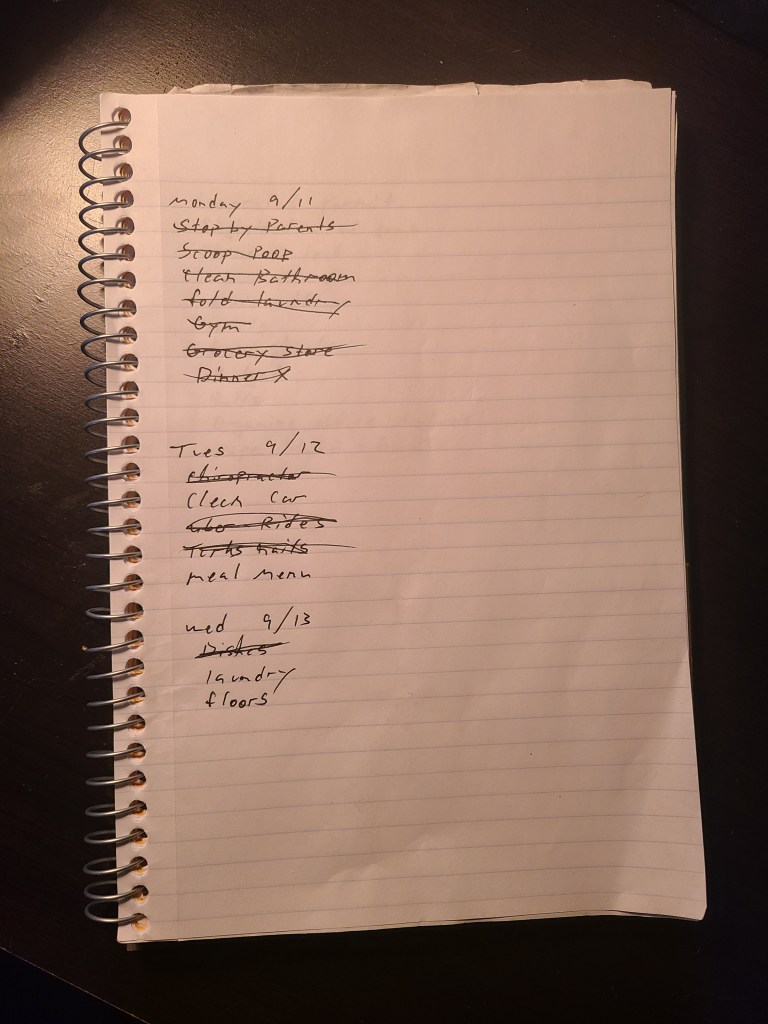
Having a plan is the best way to stay on track with new goals. Planning out your week gives both peace of mind, and an easy to follow guide so that mid week distractions do not derail you from your goals. I tend to journal and write everything down to start with and then go from there. For me it allows for a flow of thought that more often than not clarifies my ideas so that I can tackle them easier. 

To start with I write down tasks immediately when I think of them, it has become a habit. I take out my phone and jot down in my notes app every little thing that comes to me. I think of this as my master list that I can pull from week to week when I am planning my days out. I start with my top priority things, or time sensitive tasks, and then work from there. For example:

  • Oil Change
  • Sign Up For Events
  • Pay Bills

These are all time sensitive things that must be done first, after that I add on the things that I need or want to get done that are not on a timeline necessarily.

I try not to give myself more than two or three tasks per day. For me two or three is manageable, everyone is different. 

After that I go to my journal and write out which tasks I want to get done on what days. This way I know that on Tuesday I am taking the dogs to get their nails trimmed. I do not have to think about when I am going to do that all week, I know when, and I can not be stressed about it or keep it in the back of my brain. 

The next thing I do is stick to my morning and evening routines. These routines do not have to be long or complicated. Make them easy, especially at first. In the morning just spend three minutes brain dumping into a journal, that will bring you so much peace I promise! In the evening spend fifteen minutes doing 5 minute tasks. That can be your routine, and that is a great routine. The more you stick to it, the more it will help and it will get easier. Once it starts to get easier you can add things or switch it up. I would say stick to a simple routine like this for at least six weeks and then you can add something. 

Another thing that will make starting a routine and having a weekly plan easier is knowing what your motivation is. Think about your “Why” and what you want the outcome to be. Are you trying to save time? Do you want to feel more on top of things? Are you trying to reach some big goals and just want structure? Whatever the motivation is, think about it everyday, remind yourself that the extra effort to plan and prep for the week will pay off. Eventually you will feel the mental burden growing smaller and smaller because you are not trying to keep five thousand things in your brain. In my opinion brains are for ideas, and they are not a calendar or a filing cabinet. That is another reason I write everything down. My brain has space to breathe! 

Once you have your list and your motive it’s time to keep the energy moving forward. After each task cross it off, delete it, or check mark it. Doing this makes you feel accomplished and lets your brain know that we totally did the thing! For me, I really get the most motivation after I have had a few wins. Accomplishing something is the best way to ensure you will keep going with it. The more we accomplish, the more motivation we have to continue and to put more effort into it. 

I thought I would include some things that I do every week to help give an idea of where to start if this is your first time setting a weekly schedule. 

Meal Planning and Prepping 

Every week I sit down and meal plan, I get ideas off of pinterest or my cookbooks. Then I go through the kitchen and make a grocery list. I put down things we are out of, things we are almost out of, and things that I need to make meals for that week. When I go grocery shopping I am very serious about sticking to my list, I really try hard not to browse the isles or get things I did not plan on getting. This helps my grocery bill and prevents us from ordering take out all the time. I used to think meal planning was overwhelming but the more I do it the easier it gets. We actually have fun coming up with meal ideas now. 

Then I do my best to prepare the food if necessary. I make my lunches the night before, and most of the time they are leftovers from dinner. I also make large meals that can last multiple nights so that we do not have to cook every single night. 

Workouts

We go to the gym Monday – Thursday, and I always know what workout I will be doing while we are there. I have days where I lift weights and days where I only run or swim. No matter what, I never go to the gym without a plan. Planning my workouts in advance allows for a seamless exercise routine where I can just walk in and start. I do not have to think about what I am doing while I am there or get frustrated and just give up in the middle of a workout. It also helps me keep track of exercises so that my workouts are balanced throughout the week and I can make sure I am hitting all my goals!

Chores

I am a little more relaxed on my chore planning, I do not have certain days for specific chores. What I do is use a timer and set it for twenty minutes. It is difficult for me to stay on task for longer than that most of the time and I also get restless so this helps! For twenty minutes I will clean whatever I can, then when the timer goes off I do something else that I want to do for the next twenty minutes. It does take longer this way but I get through my chore list. So if that week I have “clean my car” “wash the couch blankets” and “replant the Philodendron” on my chore list, then I can do as much of that as I can for twenty minutes and then have a little break. It keeps my brain interested because I am switching tasks every now and then. So after twenty minutes of cleaning I go and read, or play video games, or play with my dogs for twenty minutes. It works very well for me!

I have become very fond of my routines and weekly planning methods. I continue to update and refine them to be more productive and easier for me as life changes. I think the biggest part is just the willingness to put the time in upfront so that your week can go smoother. I truly hope that this helps in your weekly planning and meeting any goals you are working towards. 

Health, Happiness, Plants.

How To Start Living Your Dream Life

One of the most important things I have learned is how to start actually making progress on your dreams. Over the last five years my life has changed so much in a very positive way. It has been scary, and I won’t lie, the first few years I really fought against the change that I wanted. I know that sounds weird, but it’s true. I think this happens to a lot of people, and for me it was because I was afraid of the change. Even though I was not happy, I was comfortable being unhappy and any change, even change I wanted was scary. 

Finally I realized that to make positive change I was going to have to just embrace the unknown and take chances. I finally got tired of not living the life I wanted and started making some serious changes. I am not saying that things are perfect now, what I am saying is that I am moving in the right direction and making progress everyday. I am happy with my life and the direction that it’s heading in. Here is what I did to get to this point:

Stop Playing The Comparison Game

Comparing your life to the lives of other people is the best way to suck the joy right out of yourself. This does not mean that you can not look to others for inspiration, or admire the journey of someone else. It does mean you should stop there, do not pass inspiration and admiration and skip on over to jealousy and hopelessness. When you start comparing your life to other peoples it is a slippery slope into a bad mindset. “Why can’t I have that?” “I’ll never be that successful.” “They are so lucky, my life just isn’t like that.” “I try, but I don’t have what they have.” These are the types of thoughts you need to squash immediately, they will keep you exactly where you are. If you find yourself having thoughts like these, stop and switch it up, think to yourself a more positive thought. “My goal is to have that in two years.” “I should ask this person how they achieved this.” “What can I do to have something similar in six months?” It is so important not to drown out your journey but paying too much attention to what everyone else has going on. 

Stop Making Excuses

All of us could think of a thousand reasons not to make that next move or start a new project. The best thing you can do is not listen to those voices in your head telling you to delay it, or that you will start next week, this weekend, or tomorrow. Do it now, right now, start it. Even if all you can do right now is a five minutes of scripting, setting up an account, or practicing your art style, anything is better than putting it off another day! I personally would make excuses because I convinced myself that my new project would not work unless the circumstances were perfect. Well, it turns out that they will never be perfect, you have to start somewhere and that place is here and now!

Do Research 

Now don’t use this as a procrastination tool, spending five weeks researching and never starting is also not the answer. Plan your research, and be very specific. Make a list of things you need to research, make sure it is not vague. Things like “Look up how to start a podcast” are too broad and will not be super helpful. Narrow it down to things such as “Podcast hosting sites” and “Audio editing programs”. These specific searches will give you much better information, and help not immediately get overwhelmed so you can start really learning! Research is great as long as it is beneficial to your goal. Once it starts to be a distraction or overwhelm you it is no longer helpful. Figure out where to start and then just start! Avoid trying to figure out steps one through a hundred all in one research session. Figure out steps one through three and then take action. 

Identify As Someone That Does What You Want To Do

This one is in my opinion the best tip I have, and the best thing I have learned. Have you ever asked for advice or thought about your goal and then followed that up with telling yourself you are not a person that does (said thing)? You are not alone! I think we have all done this at one point, and it is a dream killer. If you want to write a book but think you are not a writer, then identify as someone who writes and start writing a little every day! If you want to be a runner but get discouraged because you have yet to run, then go out, jog up your street, and then tell yourself you are a runner and start a routine! This has worked so well for me that it is honestly shocking. So many times I would stand in my own way by telling myself I could not do something because I had not done it. Looking back it is very silly. You will never be a reader if you don’t start reading. Once you get through that first book though, boom, you are a reader!

Consistency 

Some goals can be achieved by just doing something one time, but not most. Showing up everyday and continuing to make progress is how we truly reach our goals. If you want to leg press 180 lbs, chances are you will have to practice leg press more than once. If you make time to work at your skill, and learn, make mistakes, get better over time, then you will start to see some major improvement. Going to the gym and using the leg press machine two times and then skipping for five weeks is not going to get you to that 180 lbs goal. Going three times a week for eight weeks straight will get you to that goal much faster! This is not easy, and it will take mental fortitude but it is so worth it. There will be days that it feels impossible and you will want to make any excuse not to show up, push through that and I promise you won’t regret it. 

Do It Alone

Other people will not always want to come with you on your journey. Do not let that stop you from pursuing something you want to do. If you want to go rock climbing and none of your friends do, then go alone. You will make new friends at the rock climbing gym, and it will be so fun. This can be said for anything. Found a passion in sewing? Do it alone, go get some fabric and maybe attend a library sewing class. This gives you the opportunity to judge if this new hobby or goal is something you really want to do. If you can do it alone, then you actually want to do it. If not then maybe you should reconsider if it is something you want to give your time and energy to. You also get the chance to meet new people, make new friends, or spend some time with yourself! Either way do not let the fear or anxiety of doing something alone be the reason you don’t try. 

Whatever your next project or goal is, I hope these tips are helpful to you. If you would like to comment what your goal is I would love to hear it! I am always inspired by hearing what others are working on. I wish you nothing but success on your own journey. Stay motivated, and remember everyone starts in the same place, at the beginning. There is no shame in being new to something, or in trying it for the first time. 

Give yourself grace and space to learn.